


DV SSL, OV SSL, and EV SSL certificates secure websites by encrypting data, but they differ in validation processes, trust levels, and use cases. Choosing the right SSL certificate ensures your website is secure and trustworthy. This article explains the differences between Domain Validated (DV), Organization Validated (OV), and Extended Validation (EV) SSL certificates, covering their features, benefits, and ideal use cases.
What Are SSL Certificates?
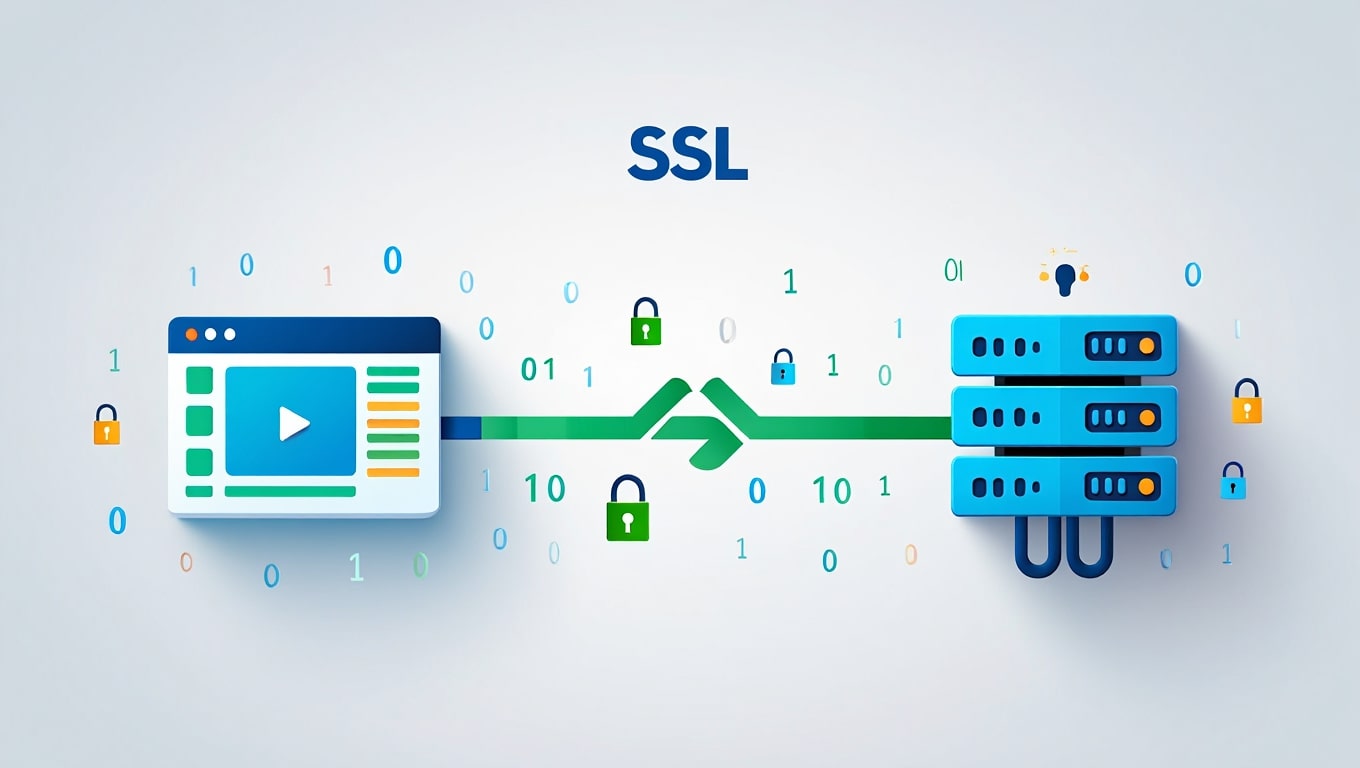
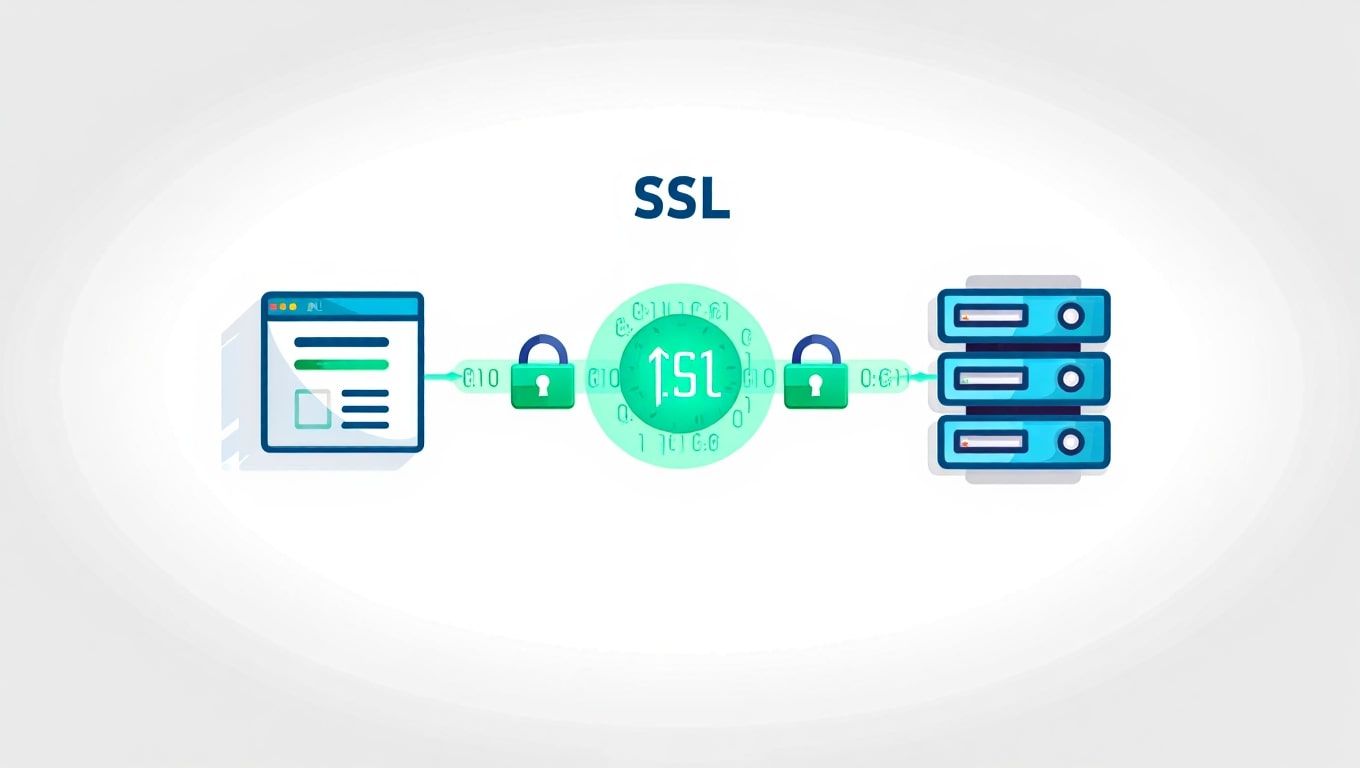
SSL certificates are digital tools that secure websites by encrypting data between the server and users. They protect sensitive information, like passwords and credit card details, from hackers. According to Google, websites with SSL certificates display a padlock icon and use “https://” in their URLs, signaling trust to users. SSL certificates are issued by Certificate Authorities (CAs) like DigiCert, Sectigo, and Let’s Encrypt.
Why Are SSL Certificates Important?
SSL certificates are essential for website security and user trust. They encrypt data, prevent cyberattacks, and improve search engine rankings. For example, Google prioritizes HTTPS websites in search results, as noted in their Webmaster Guidelines. Without an SSL certificate, browsers may label your site as “Not Secure,” driving visitors away. There are 3 main types of SSL certificates: DV, OV, and EV, each offering different levels of validation and trust.
What Is a DV SSL Certificate?
DV SSL certificates verify domain ownership with minimal checks, offering basic security. They are the simplest and fastest SSL certificates to obtain. The CA only confirms that the applicant controls the domain, usually through an email or DNS record verification.
How Does DV SSL Validation Work?
DV SSL validation confirms domain control in 1-2 hours. The CA sends an email to the domain’s registered address or asks the applicant to add a DNS record. For example, Let’s Encrypt automates this process, issuing certificates in minutes. No business details are checked, making it ideal for personal blogs or small websites.
What Are the Benefits of DV SSL Certificates?
DV SSL certificates are affordable, quick to issue, and easy to set up. They suit small websites with low security needs. Here are 5 key benefits:
- Low Cost: Often free or under $10 per year (e.g., Let’s Encrypt).
- Fast Issuance: Certificates are issued in hours or minutes.
- Basic Encryption: Secures data with 256-bit encryption.
- Browser Trust: Displays a padlock and HTTPS in browsers.
- SEO Boost: Improves Google rankings, as per Google’s SEO Guidelines.
When Should You Use a DV SSL Certificate?
Use DV SSL certificates for personal blogs, portfolios, or non-commercial sites. They work well for sites without sensitive data, like contact forms or newsletters. For example, a personal blog hosted on WordPress can use a DV SSL certificate for basic security. You can find more information here about best free SSL certificate providers, secure your website is very important to protect from hackers.
What Is an OV SSL Certificate?
OV SSL certificates verify the organization behind the domain, offering higher trust. They require more validation than DV certificates, including business registration and contact details. This makes them suitable for businesses and e-commerce sites.
How Does OV SSL Validation Work?
OV SSL validation checks the organization’s legal identity, taking 1-3 days. The CA verifies documents like business licenses or tax records. For instance, Sectigo requires applicants to submit proof of business registration. The CA may also call the organization to confirm details, ensuring the website is legitimate.
What Are the Benefits of OV SSL Certificates?
OV SSL certificates provide stronger trust and security for businesses. They are ideal for websites handling customer data. Here are 5 key benefits:
- Business Verification: Confirms the organization’s legitimacy.
- Strong Encryption: Uses 256-bit encryption for data security.
- Higher Trust: Displays the company name in certificate details.
- SEO Advantage: Boosts search rankings, per Google.
- Affordable for Businesses: Costs range from $50-$150 per year, e.g., via GlobalSign.
When Should You Use an OV SSL Certificate?
Use OV SSL certificates for small to medium businesses or e-commerce sites. They suit websites with login pages or payment forms, like an online store on Shopify. OV certificates build trust by showing the business is verified.
What Is an EV SSL Certificate?
EV SSL certificates offer the highest validation and trust, displaying the company name in the browser. They undergo rigorous checks, making them ideal for large businesses and financial institutions. The green address bar (in older browsers) or company name in the URL bar signals maximum credibility.
How Does EV SSL Validation Work?
EV SSL validation verifies the organization’s identity and legal status, taking 1-7 days. The CA checks government records, business registration, and operational history. For example, DigiCert requires detailed documentation and may contact the applicant’s legal team. This thorough process ensures only legitimate businesses receive EV certificates.
What Are the Benefits of EV SSL Certificates?
EV SSL certificates maximize user trust and security for high-stakes websites. They are perfect for sites handling sensitive transactions. Here are 5 key benefits:
- Highest Trust: Displays the company name in the browser.
- Robust Encryption: Uses 256-bit encryption for top security.
- Brand Credibility: Boosts customer confidence, per Symantec.
- SEO Benefits: Improves rankings, as noted by Google.
- Fraud Protection: Reduces phishing risks with strict validation.
When Should You Use an EV SSL Certificate?
Use EV SSL certificates for large e-commerce sites, banks, or government websites. They are ideal for platforms like PayPal or Bank of America , where trust is critical. EV certificates reassure users handling sensitive data.
Common questions about whether you can have two SSL certificates for one domain are addressed in this article, which you can read if you’re confused.
How Do DV, OV, and EV SSL Certificates Compare?
DV, OV, and EV SSL certificates differ in validation, trust, cost, and use cases. Below is a comparison table to clarify their differences:
| Feature | DV SSL | OV SSL | EV SSL |
|---|---|---|---|
| Validation Level | Domain only | Organization and domain | Extensive organization and domain |
| Issuance Time | 1-2 hours | 1-3 days | 1-7 days |
| Cost (per year) | Free or $5-$50 | $50-$150 | $150-$300 |
| Trust Indicator | Padlock, HTTPS | Padlock, HTTPS, company details | Padlock, HTTPS, company name in bar |
| Best For | Blogs, personal sites | Small businesses, e-commerce | Large businesses, banks |
What Are the Key Differences in Validation?
DV SSL requires only domain verification, OV SSL checks business details, and EV SSL involves extensive vetting. DV is the fastest, needing just an email or DNS check. OV requires documents like business licenses, while EV demands in-depth legal and operational checks.
How Do Costs Compare?
DV SSL certificates are the cheapest, OV SSL certificates are moderately priced, and EV SSL certificates are the most expensive. For example, Let’s Encrypt offers free DV certificates, while DigiCert charges $150-$300 for EV certificates annually.
Which Certificate Offers the Most Trust?
EV SSL certificates provide the highest trust, followed by OV and DV. EV certificates display the company name in the browser, reassuring users. OV certificates show business details in the certificate, while DV certificates only show domain ownership.
Which SSL Certificate Should You Choose?
Choose DV SSL for personal sites, OV SSL for small businesses, and EV SSL for large organizations. Consider your website’s purpose and budget:
- Personal Sites: DV SSL, e.g., via Cloudflare.
- Small Businesses: OV SSL, e.g., via Sectigo.
- Large Enterprises: EV SSL, e.g., via DigiCert
What Factors Should You Consider?
Consider budget, security needs, and user trust when choosing an SSL certificate. Here are 4 key factors:
- Budget: DV is cheapest, EV is priciest.
- Security Needs: EV offers the most robust validation.
- User Trust: EV and OV build more confidence than DV.
- Website Type: Blogs need DV, e-commerce needs OV or EV.
FAQ About DV, OV, and EV SSL Certificates
What Is the Cheapest SSL Certificate?
DV SSL certificates are the cheapest, often free via Let’s Encrypt.
How Long Does SSL Validation Take?
DV SSL takes 1-2 hours, OV SSL takes 1-3 days, and EV SSL takes 1-7 days.
Do SSL Certificates Expire?
Yes, SSL certificates expire, typically after 1-2 years, requiring renewal.
Why Do Some Websites Show a Green Bar?
The green bar (in older browsers) indicates an EV SSL certificate, showing high trust.
Can DV SSL Certificates Be Used for E-Commerce?
No, DV SSL certificates are not ideal for e-commerce. They lack business validation, reducing user trust. OV or EV certificates are better for e-commerce, as they verify the business and protect sensitive transactions.
Are EV SSL Certificates Worth the Cost?
Yes, EV SSL certificates are worth the cost for large businesses. Their high validation and visible trust indicators, like the company name in the browser, boost customer confidence and reduce phishing risks.
Do All SSL Certificates Provide the Same Encryption?
Yes, DV, OV, and EV SSL certificates use the same 256-bit encryption. The difference lies in validation and trust indicators, not encryption strength, per Sectigo.
Can You Upgrade from DV to EV SSL?
Yes, you can upgrade from DV to EV SSL. Contact your CA, like GlobalSign, to start the EV validation process. You’ll need to provide additional business documents.
Do SSL Certificates Affect SEO?
Yes, SSL certificates improve SEO rankings. Google prioritizes HTTPS sites, as stated in their SEO Guidelines. DV, OV, and EV all provide HTTPS, boosting search visibility.
Conclusion
DV, OV, and EV SSL certificates secure websites but differ in validation, cost, and trust. DV SSL is best for personal sites, offering quick, affordable security. OV SSL suits small businesses, verifying the organization for added trust. EV SSL is ideal for large enterprises, providing maximum credibility with rigorous validation. Choose based on your website’s needs, budget, and trust requirements. For more details, explore providers like DigiCert, Sectigo, or Let’s Encrypt.
You May Also Like
 VPN & Proxy
Why Do CAPTCHAs Appear When You Use a VPN?
 VPN & Proxy
Why Does Google Say Our Systems Have Detected Unusual Traffic From Your Computer Network?
 VPN & Proxy
How to Block Ads on Pinterest: A Simple Guide
 VPN & Proxy
10 Best VPNs for California in 2026: Privacy, Speed, and Security
 VPN & Proxy
Mobile Proxies vs. Residential Proxies: Differences, Costs, and Use Cases
 VPN & Proxy
Datacenter vs. Residential Proxies: Differences, Costs, and Use Cases
 Web Scraping
Reasons Why You Should Avoid Using Free Proxies For Web Scraping
 Web Scraping
How to Use Proxies for Web Scraping Without Getting Blocked
 VPN & Proxy