


If you’re developing a mobile app, choosing the right hosting provider is important to keep your app uptime and secure. The hosting provider you choose will affect your app’s performance, security, scalability, and costs. With so many options available, it can be tough to decide which one is best for your app. In this guide, we’ll go over the best mobile app hosting providers and what makes each one stand out.
What is Mobile App Hosting?
Mobile app hosting is the service that stores your app’s backend and allows users to interact with it. It includes hosting the app’s database, files, and APIs. A good hosting provider ensures your app runs smoothly, is available 24/7, and can scale as your user base grows.
Key Features to Consider in Mobile App Hosting
When choosing a mobile app hosting provider, think about these important features:
- Scalability: Can the service handle more users as your app grows?
- Security: Does the provider protect your data from hackers and breaches?
- Performance: Is the app fast and reliable with minimal downtime?
- Cost-Effectiveness: Is the pricing fair for the features you get?
- Support: Does the provider offer good customer service and technical help?
- Integration: Can the hosting service work well with your development tools and other platforms?
Top 10 Best Mobile App Hosting Providers in 2024

1. Amazon Web Services (AWS)
AWS is one of the best mobile app hosting services in the market right now; it is very popular among developers and webmasters.. AWS offers a wide range of tools to help your mobile app run smoothly. You get access to EC2 for flexible computing power, Amazon S3 for storing data safely, and AWS Lambda for running code without managing servers. AWS also has a global network that helps your app load quickly for users everywhere. Security is a strong point, with features like encryption and identity management to keep your data safe.
Using AWS, you can easily scale your app as it grows. Whether you’re just starting or have a large user base, AWS can adjust to meet your needs. The platform also provides detailed analytics tools to help you understand how users are interacting with your app, allowing you to make informed decisions to improve performance and user experience.
Pricing
AWS uses a pay-as-you-go model, so you only pay for what you use. This flexible pricing can be great for controlling costs, but it might be hard to predict your monthly bill. AWS also offers volume discounts and reserved instances for long-term savings, which can be beneficial as your app grows.
Pros:
- Highly flexible and scalable.
- Wide range of services.
- Strong security features.
Cons:
- Can be complicated for new users.
- Pricing can be confusing.
2. Google Cloud Platform (GCP)
GCP is one of the best mobile app hosting providers for those serious about building a mobile app. Google Cloud Platform provides powerful tools for mobile app development. With App Engine, you can manage your app without worrying about the servers. Google Kubernetes Engine (GKE) helps you run containerized apps smoothly. BigQuery makes analyzing large amounts of data easy, and Firebase integration offers real-time databases and user authentication. GCP also includes advanced machine learning tools to make your app smarter.
GCP’s infrastructure is reliable and spread across the globe, ensuring your app remains fast and accessible for users everywhere. The platform also supports seamless collaboration, allowing your team to work together efficiently on app development and deployment.
Pricing
GCP offers competitive pricing with options like pay-as-you-go and discounts for prolonged use. This makes it affordable for various project sizes, from small startups to larger applications. Additionally, new users often receive credits to help get started without a big initial investment.
Pros:
- Excellent data analytics and machine learning tools.
- Easy integration with Firebase.
- Reliable and fast global network.
Cons:
- Can take time to learn advanced features.
- Fewer support options compared to AWS.
3. Microsoft Azure
Microsoft Azure provides a variety of tools to support your mobile app needs. With Azure App Service, you can build and host web and mobile apps easily. Azure Functions allow you to run small pieces of code without managing servers. Azure Cosmos DB offers a globally distributed database for your app’s data needs. Azure also includes built-in DevOps tools, so you can manage your app’s development and deployment efficiently. The platform is known for its strong security and compliance features, making it a good choice for apps that handle sensitive information.
Azure’s seamless integration with other Microsoft products, like Office 365 and Dynamics, makes it a great option if you’re already using Microsoft services. The platform also supports various programming languages, giving you the flexibility to use the tools you prefer for your app development.
Pricing
Azure provides flexible pricing options, including pay-as-you-go and reserved instances. This allows you to choose a plan that fits your budget while still getting the features you need. Azure also offers cost management tools to help you track and control your spending effectively.
Pros:
- Wide range of services and tools.
- Strong ties with Microsoft products.
- Reliable and scalable infrastructure.
Cons:
- Can be pricey for small projects.
- Setup can be complex for some services.
4. Firebase
Firebase is a popular mobile app hosting provider among mobile app developers and web developers. It provides many features and is easy to implement in projects. Firebase is a platform made by Google specifically for mobile and web applications. It offers a Realtime Database that keeps your app’s data up-to-date instantly. Firebase Authentication makes it easy to manage user sign-ins securely. Cloud Firestore provides a flexible and scalable database solution, while Firebase Hosting ensures your app loads quickly with a global CDN. Firebase also includes tools for analytics and crash reporting, helping you understand user behavior and fix issues quickly.
Firebase is great for building apps that need real-time updates and easy user management. The platform’s integration with other Google services makes it simple to add features like push notifications and in-app messaging.
Pricing
Firebase has a generous free tier that includes essential features, which is perfect for startups and small projects. If you need more resources, Firebase offers pay-as-you-go pricing, ensuring you only pay for what you use without unnecessary expenses.
Pros:
- Easy to connect with mobile apps.
- Comprehensive set of development tools.
- Real-time data updates.
Cons:
- Tied closely to Google’s ecosystem.
- Costs can add up with high usage.
5. Heroku
Heroku is a user-friendly mobile app hosting provider that supports multiple programming languages, such as Node.js, Ruby, and Python. Its Git integration makes deploying your app simple, allowing you to push updates quickly. Heroku offers managed databases like Heroku Postgres, so you don’t have to worry about database maintenance. The add-ons marketplace provides extra features you might need, such as monitoring and logging tools. Heroku’s dynos can be easily scaled up to handle more traffic when your app grows.
Heroku is designed to help developers focus on building their apps without getting bogged down by server management. The platform’s straightforward interface and extensive documentation make it easy to get started and manage your app efficiently.
Pricing
Heroku offers a free tier for small projects, which is great for testing and initial development. As your app grows, paid plans start at $7 per month, providing more resources and features to support increased usage and performance needs.
Pros:
- Easy to use and set up.
- Quick deployments with Git.
- Wide range of add-ons available.
Cons:
- Can get expensive as your app grows.
- Less customization compared to other platforms.
6. DigitalOcean
DigitalOcean is known for its simplicity and affordability as a mobile app hosting provider. It offers Droplets, which are scalable virtual private servers, making it easy to host your mobile app. Managed Kubernetes helps you run containerized applications without the hassle of managing the infrastructure. Spaces provide object storage for your app’s data, while load balancers ensure your app can handle traffic smoothly. DigitalOcean also offers a variety of developer-friendly tools and extensive documentation to help you get started quickly.
DigitalOcean is a great choice if you want reliable hosting without breaking the bank. The platform’s straightforward setup and user-friendly interface make it easy for developers to launch and manage their apps efficiently.
Pricing
DigitalOcean has clear and predictable pricing, starting as low as $5 per month. This makes it an excellent option for startups and small businesses looking for affordable hosting solutions without sacrificing performance.
Pros:
- Simple and transparent pricing.
- High-performance SSD servers.
- Strong support and documentation.
Cons:
- Fewer advanced services compared to AWS or GCP.
- Requires more technical knowledge for setup.
7. IBM Cloud
IBM Cloud is one of the best mobile app hosting providers for professionals. It offer a secure and reliable hosting environment for your mobile app. It includes IBM Kubernetes Service for running containerized apps and Cloud Foundry for easy app deployment. Watson AI integration allows you to add advanced analytics and machine learning features to your app. IBM Cloud focuses on security and compliance, making it suitable for apps that need to handle sensitive data. With global data centers, your app can reach users around the world with low latency.
IBM Cloud is ideal for businesses that need robust security features and advanced AI tools. The platform supports a wide range of services that help you build, run, and manage your app efficiently.
Pricing
IBM Cloud offers flexible pricing models, including pay-as-you-go and subscription plans. This flexibility allows you to choose a plan that fits your budget and scales with your app’s growth, making it a good option for both small projects and large enterprises.
Pros:
- Strong security and compliance features.
- Advanced AI and analytics tools.
- Reliable global infrastructure.
Cons:
- Higher costs for small to medium projects.
- Steeper learning curve for some services.
8. Bluehost
Bluehost is a well-known web hosting provider that also supports mobile app hosting, particularly for small to medium-sized projects. It offers shared hosting for affordable solutions, as well as VPS and dedicated servers for higher performance needs. Bluehost makes it easy to integrate with platforms like WordPress, making it a great choice if you’re using a content management system. The service includes free SSL certificates to keep your app secure and 24/7 customer support to assist you whenever you need help.
Bluehost is perfect for those who need a reliable and easy-to-use hosting service without a lot of technical hassle. The platform’s user-friendly interface and setup process make it simple to get your app up and running quickly.
Pricing
Bluehost offers budget-friendly pricing plans starting at $2.95 per month for shared hosting. This makes it accessible for startups and small businesses looking for cost-effective hosting solutions without compromising on quality.
Pros:
- Affordable hosting plans.
- Easy to use and set up.
- Reliable customer support.
Cons:
- Limited scalability for very large apps.
- Performance can vary on shared hosting plans.
9. Oracle Cloud
Oracle Cloud provides various services designed to host high-performance and secure mobile applications. Oracle Cloud Infrastructure (OCI) offers fast and reliable computing power, while the Autonomous Database takes care of database management automatically. The Kubernetes Engine helps you run containerized apps efficiently, and advanced security features like encryption ensure your data is protected. With global data centers, your app can serve users from multiple locations around the world quickly.
Oracle Cloud is great for apps that need strong performance and reliable database management. The platform’s comprehensive tools help you build and maintain a robust app infrastructure with ease.
Pricing
Oracle Cloud uses a pay-as-you-go pricing model, allowing you to pay only for the resources you use. They also offer discounts for long-term commitments, which can help reduce costs as your app grows. This flexible pricing makes Oracle Cloud suitable for a variety of project sizes.
Pros:
- High-performance infrastructure.
- Advanced database management.
- Strong security features.
Cons:
- Complex setup for new users.
- Higher pricing compared to some competitors.
10. Vultr
Vultr offers high-performance SSD servers and a flexible infrastructure that’s perfect for mobile app developers. Their cloud servers come in various configurations, allowing you to choose the right amount of resources for your app. With global data centers, you can host your app close to your users for faster load times. Vultr makes it easy to scale your server as your app grows, and their developer-friendly tools and APIs simplify management and automation tasks.
Vultr is an excellent choice for developers who need reliable and fast hosting without spending too much. The platform’s straightforward setup and wide range of server locations help ensure your app performs well for users everywhere.
Pricing
Vultr offers affordable pricing starting at $2.50 per month, making it a great option for developers on a budget. The transparent pricing structure ensures you know exactly what you’re paying for, helping you manage your costs effectively as your app scales.
Pros:
- Affordable and clear pricing.
- High-performance SSD storage.
- Many server locations worldwide.
Cons:
- Limited managed services.
- Customer support can be slower than top-tier providers.
Comparison Table of Best Mobile App Hosting Providers
| Provider | Key Features | Pricing Starting At | Best For |
|---|---|---|---|
| AWS | EC2, S3, Lambda, Global CDN, Strong Security | Pay-as-you-go | Large-scale and enterprise apps |
| GCP | App Engine, GKE, BigQuery, Firebase Integration | Pay-as-you-go | Data-intensive and AI-driven apps |
| Azure | App Service, Functions, Cosmos DB, DevOps Tools | Pay-as-you-go | Microsoft ecosystem integrators |
| Firebase | Realtime Database, Authentication, Hosting | Free tier available | Startups and real-time apps |
| Heroku | Multi-language support, Git deployment | $7/month | Developers seeking simplicity |
| DigitalOcean | Droplets, Managed Kubernetes, Developer Tools | $5/month | Cost-effective and simple setups |
| IBM Cloud | Kubernetes, Watson AI, Secure Infrastructure | Flexible pricing | Enterprise and highly secure apps |
| Bluehost | Shared, VPS, Dedicated Hosting | $2.95/month | Small to medium-sized apps |
| Oracle Cloud | OCI, Autonomous Database, High-performance | Pay-as-you-go | Performance-focused applications |
| Vultr | SSD Servers, Flexible Instances, Global Data | $2.50/month | Budget-friendly and scalable apps |
How to Choose the Right Mobile App Hosting Provider for Your Needs

Picking the right mobile app hosting provider involves looking at several important factors:
- Understand Your App’s Requirements: Think about what your app needs in terms of technical features, how much traffic you expect, and how much you might need to scale in the future.
- Evaluate Performance and Reliability: Look for providers that offer high uptime guarantees and good performance metrics to ensure your app runs smoothly.
- Consider Security Features: Make sure the hosting provider has strong security measures to protect your app and user data from breaches and attacks.
- Analyze Pricing Models: Compare the pricing structures of different providers to find one that fits your budget while still offering the features you need.
- Check Support Services: Good customer support is important for quickly resolving issues and running your app well.
- Assess Integration Capabilities: Choose a host that works well with the tools and platforms you use for developing and deploying your app.
- Scalability Options: Ensure the hosting service can grow with your app as it gains more users and becomes more complex.
By carefully looking at these factors, you can select a mobile app hosting provider that meets your specific needs and supports your app’s growth and success.
Frequently Asked Questions (FAQ)
1. Is AWS suitable for small mobile apps?
Yes. AWS offers scalable services that can accommodate small apps and grow as needed.
2. Does Firebase provide free hosting options?
Yes. Firebase offers a free tier with essential features suitable for startups and small projects.
3. Can Heroku handle high-traffic mobile applications?
Yes. Heroku can manage high-traffic apps, but higher performance plans may be necessary.
4. Is Google Cloud Platform expensive for beginners?
No. GCP offers competitive pricing and a free tier, making it accessible for beginners.
5. Does Microsoft Azure support multiple programming languages?
Yes. Azure supports a wide range of programming languages, including Java, .NET, Node.js, and more.
6. Is DigitalOcean ideal for enterprise-level applications?
No. DigitalOcean is more suited for startups and small to medium-sized projects rather than large-scale enterprise applications.
7. Does IBM Cloud offer AI integration?
Yes. IBM Cloud provides Watson AI integration for advanced analytics and machine learning capabilities.
8. Is Bluehost a good choice for highly secure apps?
No. While Bluehost offers secure hosting solutions, it may not meet the stringent security requirements of highly sensitive applications.
9. Can Oracle Cloud handle data-intensive applications?
Yes. Oracle Cloud is designed to handle data-intensive and high-performance applications effectively.
10. Is Vultr suitable for budget-conscious developers?
Yes. Vultr offers affordable pricing plans, making it an excellent choice for developers with budget constraints.
Useful Resources
- AWS Mobile App Hosting
- Google Cloud Platform Documentation
- Microsoft Azure for Mobile Apps
- Firebase Documentation
- Heroku Dev Center
- DigitalOcean Community Tutorials
- IBM Cloud Documentation
- Bluehost Support
- Oracle Cloud Infrastructure
- Vultr Documentation
Conclusion
Choosing the right mobile app hosting provider is crucial for your app’s performance, security, and user satisfaction. The providers listed in this guide—AWS, Google Cloud, Microsoft Azure, Firebase, Heroku, DigitalOcean, IBM Cloud, Bluehost, Oracle Cloud, and Vultr—offer various features and pricing options to fit different needs.
Think about your app’s specific requirements, budget, and future growth when selecting a hosting provider. With the detailed information and comparisons provided, you can make a smart choice that ensures your mobile application is reliable, secure, and ready to meet user demands in 2024 and beyond.
You May Also Like
 Web Development
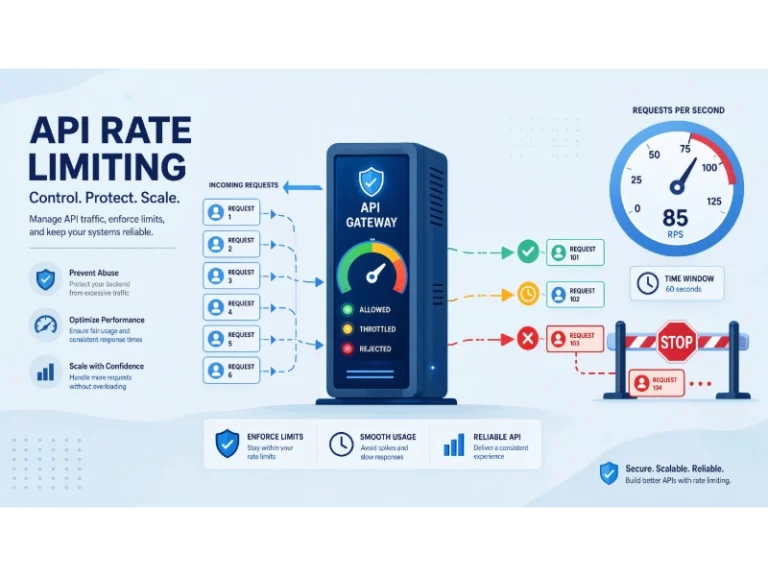
What Is API Rate Limiting? (A Practical, Simple Guide for Safer, Faster APIs)
 Web Development
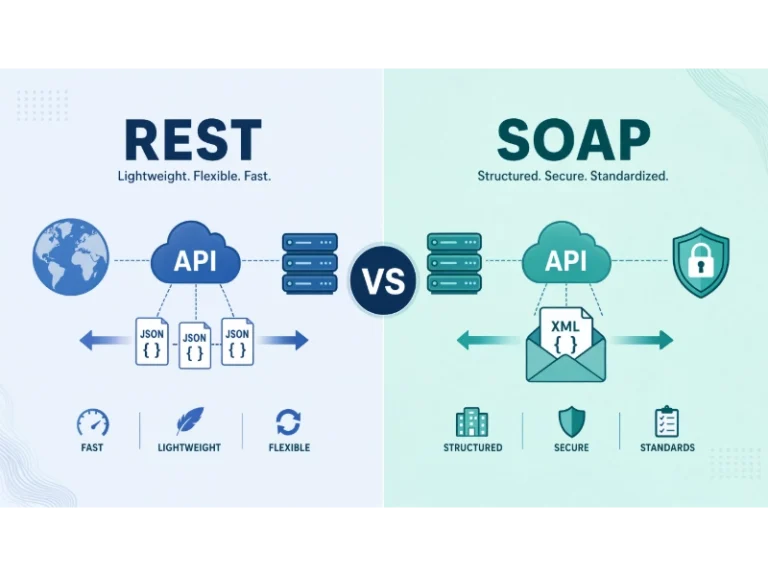
REST API vs SOAP API: Differences, Pros & Cons, and Use Cases
 Web Development
How Long Does It Take to Code an App?
 Web Development
Supabase vs Firebase: Which Backend Platform is Right for Your Project?
 Cloud Computing
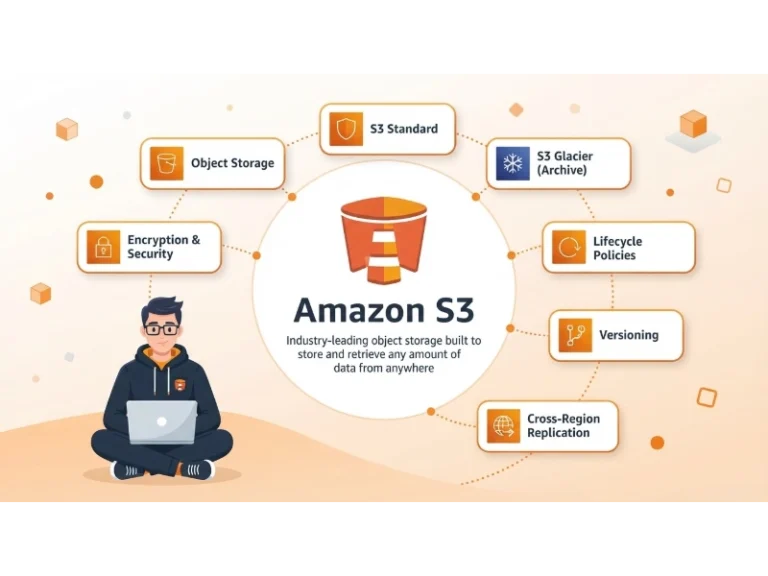
8 Best AWS S3 Alternatives Compared: Pricing, Egress, and S3 Compatibility
 Web Development
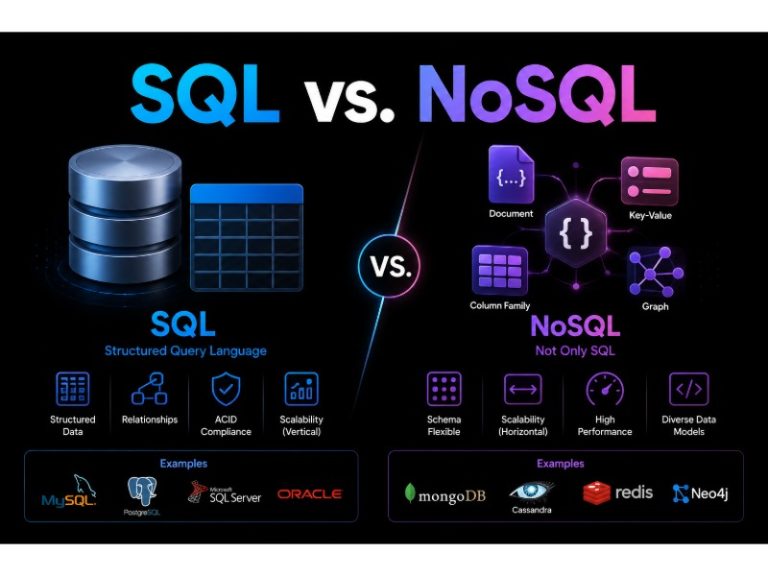
SQL vs. NoSQL: How to Choose the Right Database for Your Application
 AI Technology
ChatGPT API Alternatives: 13 AI APIs and Platforms for Developers
 Web Development
Building Apps with Lovable and Supabase: A Step-by-Step Guide
 Web Development