

When you’re running a website, keeping your visitors’ information safe isn’t optional anymore. An SSL certificate creates a secure connection between your site and anyone who visits it, turning sensitive data like credit card numbers and passwords into unreadable code that hackers can’t touch. Without one, browsers will slap your site with “Not Secure” warnings that send visitors running before they even see what you offer.
Finding the right SSL certificate provider makes all the difference in how smoothly your site runs and how much your visitors trust you. The best providers don’t just hand you a certificate and disappear—they walk you through setup, answer questions when things go sideways, and back their service with warranties that protect your business. Whether you’re launching a small blog or running an online store that handles payments, there’s an SSL certificate provider built for what you need.
This guide cuts through the confusion and shows you the top SSL certificate providers worth your time and money. We’ll look at what each one does best, what they charge, and who they’re perfect for, so you can pick the one that fits your website without overpaying or settling for less security than you deserve.
What is an SSL Certificate?
An SSL (Secure Sockets Layer) certificate is a digital certificate that authenticates a website’s identity and enables an encrypted connection. This encryption ensures that data transmitted between the user’s browser and the website remains private and secure.
Key Functions of SSL Certificates:
- Encryption: Protects data by converting it into a secure format that can’t be intercepted.
- Authentication: Verifies that the website is legitimate and owned by who it claims to be.
- Data Integrity: Ensures that information cannot be altered during transfer between the server and the browser.
Example: When you enter your credit card information on an online store, an SSL certificate ensures that your data is encrypted and safe from hackers looking to steal sensitive information.
Why Choose a Reputable SSL Provider?
Selecting a trustworthy SSL provider is vital for several reasons:
- Security Standards: Reputable providers adhere to high-security standards, ensuring robust protection against cyber attacks and ransomware threats.
- Customer Support: Reliable providers offer excellent customer service to assist with installation, certificate conversion, and troubleshooting.
- Warranty Coverage: Top providers offer warranties that protect your business in case of data breaches or security failures.
- Browser Compatibility: Ensures that your SSL certificate is recognized by all major browsers, avoiding security warnings for your visitors.
Choosing the right SSL provider not only enhances your website’s security but also builds trust with your visitors, encouraging them to engage more freely with your content and services.
11 Best SSL Certificate Providers
Choosing the best SSL provider depends on your specific needs, budget, and the level of security you require. Here are the top SSL certificate providers to consider:
1. SSLS.com
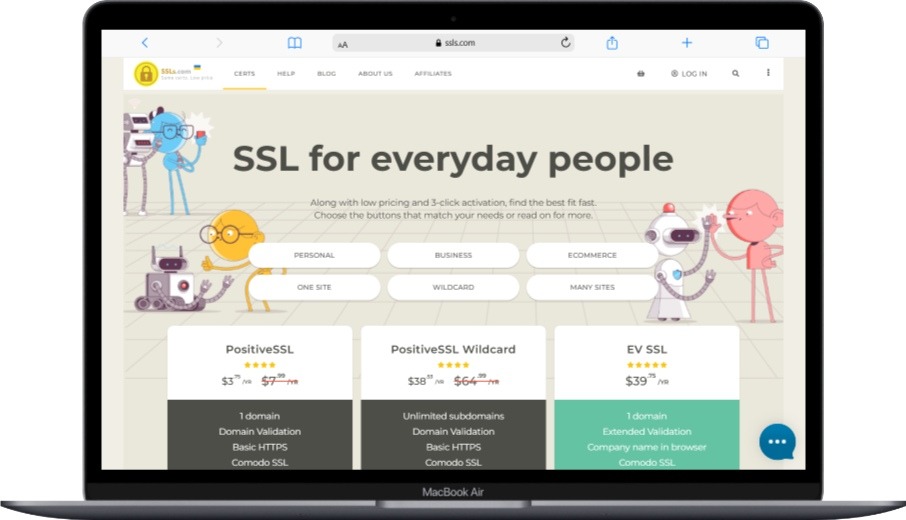
SSLS.com stands out as one of the most budget-friendly SSL certificate providers on the market, offering enterprise-grade security at prices that won’t empty your wallet. As part of the Namecheap Group, SSLS.com has built a reputation for making SSL certificates accessible to everyone—from personal bloggers to large enterprises—without sacrificing quality or support.
What sets SSLS.com apart is their commitment to making SSL simple. Their 3-click activation process means you can secure your website in minutes, not hours. They offer a free 30-day trial period with no credit card required, letting you test their service before committing. With a 4.6 rating on Trustpilot from over 994 reviews, SSLS.com has proven they deliver on their promises. Their certificates start at just $3.75 per year, making them one of the most affordable options available while still offering 256-bit encryption and industry-standard security features.
Website: SSLS.com
Features:
- Extremely affordable pricing starting at $3.75/year
- Free 30-day trial period with no credit card required
- 3-click activation and installation process
- Wide range of SSL options: DV, OV, EV, Wildcard, Multi-Domain
- 15-day money-back guarantee
- 24/7 customer support via live chat and email
- Fast issuance (DV certificates in 15 minutes or less)
- 256-bit encryption with 2048-bit key
- Compatible with 99.9% of browsers
- Certificates from trusted brands: Sectigo, Comodo, Thawte, GeoTrust
- Warranty coverage up to $1.75 million (depending on certificate type)
Best For: Budget-conscious individuals, small businesses, and startups looking for affordable SSL certificates with reliable support and fast activation. Perfect for those who need quality security without premium prices.
2. DigiCert
DigiCert is a leading SSL certificate provider renowned for its high-security standards and exceptional customer support. Established as a trusted name in the industry, DigiCert offers a wide range of SSL solutions tailored to meet the needs of businesses of all sizes.
With DigiCert, you receive advanced features such as Extended Validation (EV) certificates, which provide the highest level of trust by displaying your organization’s name in the browser’s address bar. DigiCert also boasts shorter issuance times, making it easier for businesses to secure their websites quickly. Additionally, their comprehensive security solutions include site seals, vulnerability assessments, and malware scanning, ensuring that your website remains protected against various online threats.
Website: DigiCert
Features:
- Extended Validation (EV) certificates with green address bar
- Quick and reliable certificate issuance (often within minutes)
- Comprehensive security solutions including site seals and vulnerability assessments
- Excellent customer support available 24/7 via phone, email, and chat
- High warranty coverage up to $1.75 million
- Advanced encryption algorithms including ECC and RSA
- Post-quantum cryptography support
- Certificate lifecycle management tools
- Automated certificate discovery and renewal
- DigiCert ONE platform for centralized PKI and DNS management
Best For: Large businesses and enterprises requiring top-tier security, comprehensive support, and advanced certificate management features.
3. Comodo (Sectigo)
Comodo, now rebranded as Sectigo, is a well-established SSL certificate provider offering a diverse range of SSL solutions suitable for different business sizes and needs. Sectigo is known for its affordability without compromising on security, making it an excellent choice for businesses looking to protect their websites on a budget.
Sectigo provides multiple validation options, including Domain Validation (DV), Organization Validation (OV), and Extended Validation (EV) certificates. This variety allows businesses to choose the level of trust and validation that best fits their requirements. Additionally, Sectigo offers high warranty levels up to $1.75 million, ensuring that businesses are protected in the event of a security breach.
Website: Sectigo
Features:
- Affordable pricing options for all business sizes
- Multiple validation levels: DV, OV, EV
- High warranty coverage up to $1.75 million
- Easy-to-use certificate management platform (Sectigo Certificate Manager)
- Strong customer support with extensive knowledge base
- Automated certificate lifecycle management
- IoT and device certificates available
- Certificate transparency logging
- Mobile-friendly validation process
- 30-day free trial for SCM Pro and Enterprise plans
- Discovery of all public certificates with unlimited issuance per domain
- ACME automation support for seamless certificate renewal
- Multi-cloud/hybrid CA agnostic model for enterprise customers
Best For: Small to medium-sized businesses looking for budget-friendly and flexible SSL options with strong cybersecurity protection.
4. GlobalSign
GlobalSign is a reputable SSL certificate provider known for its reliable and scalable security solutions. With over 25 years of experience as a pioneering Certificate and Identity Authority, GlobalSign offers robust SSL certificates that cater to the needs of businesses ranging from small enterprises to large organizations.
GlobalSign provides high-performance SSL certificates with strong encryption standards, ensuring that your website data remains secure. Their automated certificate management tools simplify the process of issuing, renewing, and managing SSL certificates, making it easier for businesses to maintain continuous security.
Website: GlobalSign
Features:
- High-performance SSL certificates with strong encryption (up to 256-bit)
- Automated certificate management and deployment tools
- Comprehensive customer support with dedicated account managers
- Variety of certificate options: single-domain, multi-domain, wildcard, EV
- Scalable solutions for growing businesses
- Identity verification services
- Cloud-based certificate platform (Atlas)
- Integration with major cloud providers and DevOps tools
- Certificate discovery and inventory management
- Over 267 million certificates rely on GlobalSign globally
- 500 billion OCSP requests served worldwide
Best For: Businesses seeking scalable security solutions with automated management, robust support, and integration capabilities for hybrid cloud computing environments.
5. Let’s Encrypt
Let’s Encrypt is a free, automated, and open certificate authority that offers SSL certificates at no cost. Launched to promote a more secure and privacy-respecting web, Let’s Encrypt has become a popular choice for individuals, small websites, and organizations looking to secure their sites without incurring additional costs.
Let’s Encrypt provides Domain Validation (DV) certificates, which are ideal for personal blogs, small business websites, and non-profit organizations. The certificates are easy to obtain through automated processes and integrate seamlessly with many web hosting platforms. As a project of the nonprofit Internet Security Research Group, Let’s Encrypt now provides free TLS certificates to more than 700 million websites worldwide.
Website: Let’s Encrypt
Features:
- Free SSL certificates with no hidden costs
- Automated certificate issuance and renewal via ACME protocol
- Easy integration with web hosts and control panels
- Focused on promoting a secure and encrypted web
- Ideal for small websites, personal blogs, and non-profits
- 90-day certificate validity with auto-renewal
- Wildcard certificate support
- API-driven certificate management
- Community-driven support and documentation
- Serves over 700 million websites globally
- Operated by nonprofit Internet Security Research Group (ISRG)
Best For: Individuals and small websites needing free and basic SSL coverage, especially those comfortable with automated certificate management.
6. Namecheap
Namecheap is a popular domain registrar that also offers affordable SSL certificates with excellent customer service. Known for its user-friendly interface and competitive pricing, Namecheap is a go-to choice for individuals and small businesses looking to secure their websites without breaking the bank.
Namecheap provides a wide range of SSL certificate options, including Domain Validation (DV), Organization Validation (OV), and Extended Validation (EV) certificates. Their certificates come with features like unlimited server licenses, 256-bit encryption, and a high warranty level up to $1.5 million.
Website: Namecheap SSL
Features:
- Competitive and affordable pricing starting under $10/year
- Wide range of SSL options: DV, OV, EV, Wildcard, Multi-Domain
- Unlimited server licenses for most certificates
- 256-bit encryption with 2048-bit signature
- High warranty coverage up to $1.5 million
- Free website security check and vulnerability scanner
- Easy installation with cPanel and Plesk
- 24/7 customer support via live chat
- One-year free PositiveSSL with some hosting plans
- Simple activation process directly from account panel
Best For: Budget-conscious users and small businesses looking for affordable and reliable SSL certificates with easy domain integration.
7. Thawte
Thawte is now powered by DigiCert, bringing together decades of SSL expertise under one trusted name. As a globally recognized SSL certificate provider, Thawte offers secure and trusted SSL solutions backed by DigiCert’s industry-leading infrastructure and support.
Thawte offers a variety of SSL certificates, including Domain Validation (DV), Organization Validation (OV), and Extended Validation (EV) options. Their certificates are known for wide browser compatibility, ensuring that visitors do not encounter security warnings when accessing your site.
Website: Thawte
Features:
- Wide browser compatibility (99.9% of browsers)
- Multiple SSL options: DV, OV, EV, Wildcard, Multi-Domain
- Reliable warranty coverage up to $1.5 million
- Strong customer support with detailed documentation
- Competitive pricing for various business needs
- Quick issuance times for DV certificates
- Mobile device compatibility
- Code signing certificates available
- International validation support
- Backed by DigiCert’s award-winning infrastructure
Best For: Businesses looking for internationally recognized SSL certificates with strong browser compatibility and reliable global support.
8. GoDaddy

GoDaddy is a well-known provider that offers a variety of SSL certificate options alongside its domain registration services. As one of the largest domain registrars globally, GoDaddy provides comprehensive SSL solutions backed by extensive customer support and resources.
GoDaddy offers a range of SSL certificates, including Domain Validation (DV), Organization Validation (OV), and Extended Validation (EV) certificates. Their SSL products come with features such as 256-bit encryption, a high warranty level up to $1 million, and a trustmark that displays your site’s security status. GoDaddy’s Managed SSL service includes automated installation and 90-day re-issuance for enhanced protection.
Website: GoDaddy SSL
Features:
- Wide range of SSL options: DV, OV, EV, Wildcard, Multi-Domain (SAN/UCC)
- 256-bit encryption for secure data transmission
- High warranty coverage up to $1 million
- Trustmark (site seal) displaying security status
- Easy installation guides with video tutorials
- 24/7 customer support via phone and chat
- Bundle options with domain and hosting services
- Free SSL certificate with some hosting plans
- Website security scanner included
- Managed SSL service with automated 90-day re-issuance
- Installation completed in under one hour for Managed SSL plans
- 30-day money-back guarantee
Best For: Users who prefer a one-stop-shop for domain registration, hosting, and SSL services with extensive support options.
9. RapidSSL
RapidSSL is a popular SSL certificate provider known for its quick issuance and affordable pricing. Targeting small businesses and personal websites, RapidSSL offers simple and effective SSL solutions that can be implemented with minimal hassle. As part of the DigiCert family, RapidSSL provides reliable certificates that undergo annual WebTrust Audits to ensure trusted and secure roots.
RapidSSL specializes in Domain Validation (DV) certificates, making it an ideal choice for users who need basic encryption without extensive validation processes. Their certificates provide 256-bit encryption, ensuring secure data transmission between your website and its visitors.
Website: RapidSSL
Features:
- Quick issuance, often within minutes for DV certificates
- Cost-effective pricing for budget-conscious users
- 256-bit encryption for secure data transmission
- Easy and simple setup process with clear instructions
- Ideal for small businesses and personal websites
- Wildcard certificates available
- 30-day money-back guarantee
- 99.9% browser compatibility
- Unlimited server licenses
- Annual WebTrust Audits for Certificate Authorities
- Accepted by all browsers across the web
Best For: Small businesses and personal websites needing basic and affordable SSL coverage with fast activation.
10. GeoTrust
GeoTrust is a trusted SSL certificate provider offering secure and reliable SSL solutions with strong encryption standards. Now powered by DigiCert’s trusted roots, GeoTrust is recognized for providing high-assurance SSL certificates that cater to medium and large businesses requiring robust security measures.
GeoTrust offers a variety of SSL certificates, including Domain Validation (DV), Organization Validation (OV), and Extended Validation (EV) options. Their certificates provide 256-bit encryption and are supported by warranty coverage of up to $1.5 million, ensuring comprehensive protection for your website. All certificates come with access to DigiCert CertCentral for streamlined certificate management.
Website: GeoTrust
Features:
- High-assurance SSL certificates with strong encryption (up to 256-bit)
- Multiple SSL options: DV, OV, EV, Wildcard, Multi-Domain
- 256-bit encryption with industry-standard security
- High warranty coverage up to $1.5 million
- Easy installation with comprehensive management guides
- Reliable and responsive customer support
- Dynamic site seal with daily malware scanning
- Mobile-optimized certificates
- Quick certificate reissuance
- Access to DigiCert CertCentral management platform
- Priority support and validation for higher-tier certificates
- Now on DigiCert’s trusted roots for enhanced reliability
Best For: Medium to large businesses requiring reliable and high-assurance SSL certificates with strong encryption and trusted brand recognition.
11. SSL.com
SSL.com is a versatile SSL certificate provider offering a wide range of SSL solutions to fit various business needs. With a focus on customer satisfaction and robust security features, SSL.com ensures that your website remains protected against online threats.
SSL.com provides a comprehensive selection of SSL certificates, including Domain Validation (DV), Organization Validation (OV), Extended Validation (EV), Wildcard certificates, and specialized solutions like code signing and document signing certificates. Their certificates boast features like 256-bit encryption, strong authentication processes, and warranty levels up to $2 million.
Website: SSL.com
Features:
- Wide range of SSL options: DV, OV, EV, Wildcard, Multi-Domain, Code Signing
- 256-bit encryption for optimal security
- High warranty coverage up to $2 million
- User-friendly management and installation tools
- 24/7 customer support via phone, email, and chat
- Competitive pricing for various business sizes
- Document signing certificates available
- Public key infrastructure (PKI) solutions
- Comprehensive certificate lifecycle management
- eSigner cloud-based document and code signing service
- Custom-branded issuing CA options
- Hosted PKI solutions for enterprise customers
- SSL Manager application for Windows certificate management
Best For: Businesses of all sizes looking for versatile SSL solutions with excellent support, comprehensive features, and advanced certificate options including document signing and PKI services.
Comparison Table of SSL Providers
| Provider | Free SSL | Types Available | Warranty | Best For | Official Website |
|---|---|---|---|---|---|
| SSLS.com | No | DV, OV, EV, Wildcard, Multi-domain | Up to $1M | Budget-conscious users | SSLS.com |
| DigiCert | No | DV, OV, EV | Up to $1.75M | Large businesses | DigiCert |
| Sectigo | No | DV, OV, EV | Up to $1.75M | Small to medium businesses | Sectigo |
| GlobalSign | No | DV, OV, EV | Up to $1.5M | Scalable security needs | GlobalSign |
| Let’s Encrypt | Yes | DV | $0 | Individuals and small sites | Let’s Encrypt |
| Namecheap | No | DV, OV, EV | Up to $1.75M | Budget-conscious users | Namecheap SSL |
| Thawte | No | DV, OV, EV | Up to $1.5M | Internationally recognized sites | Thawte |
| GoDaddy | No | DV, OV, EV | Up to $1M | One-stop-shop users | GoDaddy SSL |
| RapidSSL | No | DV | Up to $10K | Small websites | RapidSSL |
| GeoTrust | No | DV, OV, EV | Up to $1.5M | Medium to large businesses | GeoTrust |
| SSL.com | No | DV, OV, EV, Wildcard, S/MIME, Code Signing | Up to $2M | Versatile business needs | SSL.com |
How to Choose the Right SSL Certificate
Selecting the right SSL certificate depends on your website’s needs, your budget, and the level of trust you want to establish with visitors. Here’s what you need to think through before making your choice:
1. Understand Validation Levels
The validation level determines how thoroughly the certificate authority checks who you are before issuing your certificate:
- DV (Domain Validation): The most basic level. The certificate authority only checks that you control the domain name. This happens automatically within minutes, making it perfect for personal blogs, portfolios, and informational sites. If you’re not collecting sensitive data or running a business, DV certificates work fine and cost the least.
- OV (Organization Validation): The middle ground. The certificate authority verifies that your business actually exists by checking official records. This takes a few business days but shows visitors that a real company stands behind the website. Good choice for small to medium businesses, membership sites, and company websites where you want to build more trust without going all-in on validation.
- EV (Extended Validation): The highest level. The certificate authority digs deep into your business records, confirms your legal existence, and verifies your physical location. In return, your company name appears right in the browser address bar (on some browsers), giving visitors maximum confidence. Essential for e-commerce sites, banks, financial services, and any site handling payments or highly sensitive data. Worth the extra cost and validation time if customer trust directly impacts your bottom line.
2. Match Certificate Type to Your Domain Setup
How many websites or subdomains do you need to protect?
- Single Domain SSL: Protects exactly one domain (like example.com). Most providers automatically include www.example.com with the base domain, but always check. This works when you have one website and don’t plan to add subdomains like shop.example.com or blog.example.com later.
- Wildcard SSL: Secures your main domain plus unlimited subdomains under it (example.com, blog.example.com, shop.example.com, mail.example.com—as many as you create). Perfect when you’re building out multiple sections of your site or running various services under one main domain. Costs more upfront but saves money compared to buying separate certificates for each subdomain.
- Multi-Domain SSL (SAN/UCC): Protects completely different domains with one certificate (example.com, anotherdomain.com, third-site.org). You typically start with 3-5 domains and can add more later for an additional fee. Great for businesses managing multiple brands or websites, or organizations running several online properties. Simplifies management since you only track and renew one certificate instead of many.
3. Balance Cost with Your Security Needs
SSL certificates range from free to several hundred dollars annually. Here’s how to think about what you should spend:
- Free SSL (Let’s Encrypt, Cloudflare): Provides basic encryption that works for most small websites. Perfect for personal projects, testing environments, and sites that don’t handle payments or sensitive data. The catch? Certificates expire every 90 days (though most hosting providers auto-renew them), and you get no warranty or dedicated support if something goes wrong. Learn more about converting from HTTP to HTTPS.
- Budget SSL ($10-$50/year): Providers like SSLS.com, Namecheap, and RapidSSL offer paid DV certificates with longer validity periods, warranties, and actual customer support when you need help installing or troubleshooting. Worth paying for if you run a business website or want peace of mind.
- Mid-Range SSL ($50-$200/year): OV certificates from providers like Sectigo and GeoTrust. You’re paying for business validation and higher warranty coverage. Makes sense for established businesses wanting to show visitors they’re legitimate without going to EV expense.
- Premium SSL ($200+/year): EV certificates from DigiCert, GlobalSign, or Sectigo. The high price covers extensive validation work, maximum warranty protection (often over $1 million), and premium support. Only worth it if your business depends on customer trust and you handle sensitive transactions.
Consider the warranty as insurance—it protects your business if the certificate fails and causes a data breach. Higher warranties mean the provider has confidence in their product and will compensate you if something goes wrong.
4. Check Warranty and Relying Party Protection
SSL certificate warranties range from $10,000 to over $2 million. This warranty protects you if someone successfully breaks the encryption or if the certificate fails due to the provider’s error. While actual claims are rare (SSL encryption is strong), the warranty amount indicates how much the provider stands behind their product. E-commerce sites and businesses handling financial data should look for warranties of $250,000 or higher.
5. Evaluate Customer Support Quality
When your SSL certificate expires or fails to install correctly, your website becomes inaccessible or shows scary warning messages to visitors. That’s why responsive support matters:
- 24/7 availability: Problems don’t wait for business hours. Check if the provider offers round-the-clock support.
- Multiple contact options: Phone, live chat, and email support give you choices when you need help urgently.
- Technical expertise: Look for providers with documented knowledge bases, installation guides, and support staff who understand server configurations—not just scripted responses.
- Response times: Read reviews to see how quickly the provider actually responds to support tickets. A “we’ll get back to you” promise means nothing if you wait 48 hours for a reply while your site is down.
Premium providers like DigiCert offer dedicated account managers for enterprise customers. Budget providers like SSLS.com focus on quick live chat responses and extensive self-help resources.
6. Consider Additional Factors
- Issuance Speed: DV certificates activate in minutes. OV takes 1-3 business days. EV can take up to a week. Plan accordingly if you’re launching soon.
- Renewal Process: Some providers make renewal painless with auto-renewal options. Others require you to manually reissue and reinstall. Factor in your technical comfort level.
- Compatibility: Most modern certificates work with 99%+ of browsers, but verify the certificate supports older browsers if your audience uses them. Check browser compatibility requirements.
- Additional Features: Some providers throw in site seals, malware scanning, vulnerability assessments, or data encryption tools. These extras add value if you’ll actually use them.
- Certificate Management Tools: If you manage multiple certificates, look for providers offering centralized dashboards where you can track expiration dates, renew certificates, and monitor all your SSL certificates in one place.
The right SSL certificate balances your security requirements with your budget while giving you the support and features you need to keep your site running smoothly. Most small business websites do well with affordable DV or OV certificates from providers like SSLS.com or Namecheap, while enterprises handling sensitive data should invest in EV certificates from established providers like DigiCert or GlobalSign. For more guidance on improving website security, explore additional security measures beyond SSL certificates.
Frequently Asked Questions (FAQ)
Do I need an SSL certificate for my website?
Yes. An SSL certificate secures data between your website and visitors, builds trust, and improves SEO rankings. Modern browsers flag sites without SSL as “Not Secure,” which drives visitors away. Whether you run a blog or an online store, SSL has become a non-negotiable standard for protecting WordPress sites and all web platforms.
Is Let’s Encrypt a good SSL provider?
Yes. Let’s Encrypt offers free DV SSL certificates, ideal for personal and small websites needing basic security. The certificates auto-renew every 90 days, and most hosting providers support easy installation. However, they don’t offer OV or EV certificates, warranties, or dedicated customer support.
Can I switch SSL providers easily?
Yes. You can switch SSL providers, but it involves purchasing a new certificate, uninstalling the old one, and installing the new certificate on your server. The process is straightforward but requires some technical knowledge. Most hosting providers offer detailed guides or support to help with the transition.
How long does it take to get an SSL certificate?
It depends. DV certificates can be issued within minutes. OV certificates may take 1-3 business days due to organization verification. EV certificates can take up to 5-7 business days because of extensive validation procedures that verify your business legitimacy.
Do SSL certificates expire?
Yes. SSL certificates typically expire after one year (the maximum validity period was reduced from two years to one year in 2020). It’s essential to renew them before expiration to maintain security and avoid browser warnings. Many providers offer auto-renewal options to prevent accidental expiration.
Will an SSL certificate slow down my website?
No. SSL certificates do not significantly impact website performance. Modern SSL implementations are optimized for speed, and the encryption process happens so quickly that visitors won’t notice any difference. In fact, HTTPS sites can load faster when used with HTTP/2 protocol.
Can I use the same SSL certificate for multiple websites?
Yes. Multi-domain (SAN/UCC) and wildcard SSL certificates allow you to secure multiple websites or subdomains with a single certificate. This simplifies management and is more cost-effective than purchasing separate certificates for each domain.
What is the difference between DV, OV, and EV SSL certificates?
- DV (Domain Validation): Basic encryption, verifies domain ownership only. Quick issuance.
- OV (Organization Validation): Includes business verification, higher trust level, displays company information.
- EV (Extended Validation): Highest validation level, extensive business verification, displays company name in browser address bar, maximum trust.
Learn more about the differences between DV, OV, and EV SSL certificates.
How do I install an SSL certificate?
Depends on your provider and hosting platform. Most providers offer detailed installation guides specific to different server types (Apache, Nginx, IIS, cPanel, etc.). Many hosting providers also offer one-click SSL installation or will install it for you. If you’re using Let’s Encrypt, check your hosting provider’s documentation for automatic installation options. For detailed guidance, see how to install Let’s Encrypt SSL certificates on CentOS 7 with Nginx.
Is an SSL certificate necessary for e-commerce websites?
Absolutely yes. E-commerce websites handle sensitive data like payment information and personal details, making SSL essential for security, legal compliance (PCI DSS requirements), and customer trust. Without SSL, payment processors won’t work with your site, and customers will abandon purchases when they see “Not Secure” warnings.
Can I have two SSL certificates on one domain?
Technically yes, but not recommended. You can install multiple SSL certificates on different ports or subdomains, but having two certificates for the same domain creates conflicts and confusion. Stick with one certificate per domain unless you have specific technical requirements. Read more about using two SSL certificates for one domain.
What is 256-bit encryption in SSL?
256-bit encryption refers to the session key length used to encrypt data during transmission. It means the encryption uses a key with 256 binary digits, creating 2^256 possible combinations—making it virtually impossible to crack through brute force. All modern SSL certificates support 256-bit encryption, providing military-grade security for your website. Learn more about 256-bit encryption in SSL.
Useful Resources
- What is SSL? – Cloudflare Learning
- SSL Labs – SSL Server Test
- Google Search Central – HTTPS as a Ranking Signal
Conclusion
Choosing the right SSL certificate provider is vital for securing your website, protecting your visitors’ data, and building trust. Whether you’re a small business, an online store, or a personal blog, there’s an SSL certificate that fits your needs and budget.
Top providers like SSLS.com, DigiCert, Sectigo, and GlobalSign offer robust security and excellent support for businesses of all sizes. For those on a tighter budget, SSLS.com and Namecheap provide affordable options without sacrificing quality, while Let’s Encrypt makes SSL certificates accessible to everyone at no cost.
Remember to consider factors like the level of validation, the number of domains you need to protect, warranty coverage, and the quality of customer support when selecting an SSL provider. By securing your website with a reputable SSL certificate, you not only protect your data but also enhance your site’s credibility, improve your SEO performance, and provide a safe browsing experience for your visitors.
Start securing your website today with one of the best SSL certificate providers listed above and ensure a safe, trusted online presence. For comprehensive website protection, also explore small business network security best practices and security testing in software development.
You May Also Like
 Cybersecurity
Is Fanatical Legit and Safe? My Honest Take on Buying Game Keys
 Data Security & Privacy
Is Gameflip Legit and Safe for Gift Cards? What Buyers Should Know
 Data Security & Privacy
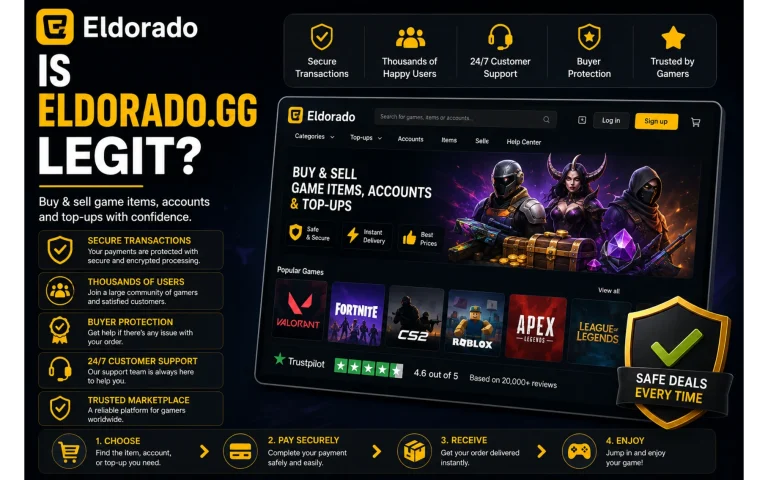
Is Eldorado.gg Legit and Safe in 2026? My Investigation and What Buyers Should Know
 VPN & Proxy
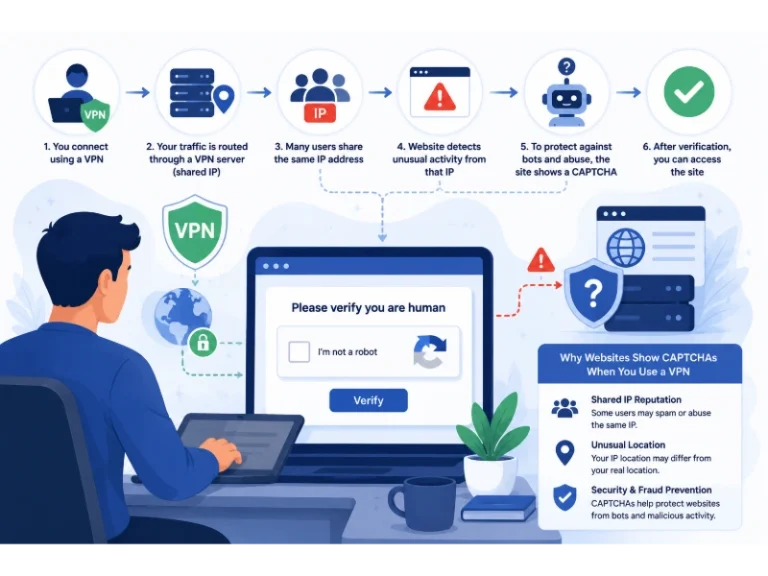
Why Do CAPTCHAs Appear When You Use a VPN?
 Web Development
Supabase vs Firebase: Which Backend Platform is Right for Your Project?
 VPN & Proxy
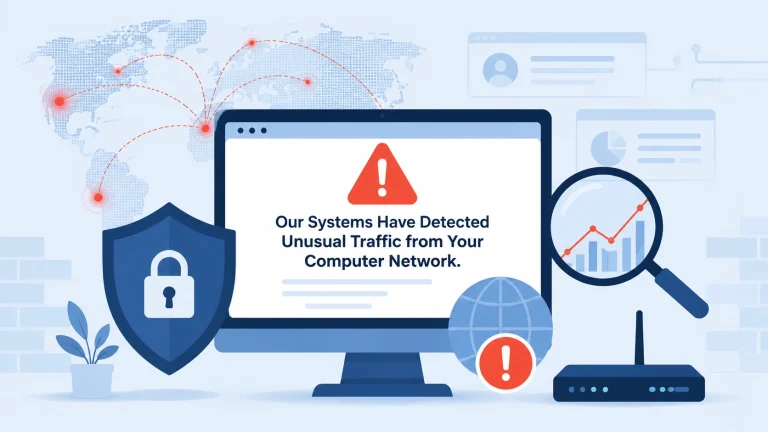
Why Does Google Say Our Systems Have Detected Unusual Traffic From Your Computer Network?
 VPN & Proxy
How to Block Ads on Pinterest: A Simple Guide
 VPN & Proxy
10 Best VPNs for California in 2026: Privacy, Speed, and Security
 VPN & Proxy