


1.1.1.1 VPN is safe to use because Cloudflare operates it with strong security measures and privacy protection. This DNS service provides faster internet speeds and better security than many traditional options. The service follows strict no-logs policies and uses advanced encryption to protect user data.
Cloudflare launched 1.1.1.1 in April 2018 as the world’s fastest DNS resolver. Later, they expanded it to include VPN-like features through their WARP service. Many users wonder about its safety since DNS services can see all your internet activity. This guide explains everything you need to know about 1.1.1.1’s security features.
Understanding DNS safety is crucial for your online privacy. When you use any DNS service, it can see which websites you visit. That’s why choosing a trustworthy provider matters so much for your digital security.
What Is 1.1.1.1 and How Does It Work?
1.1.1.1 is Cloudflare’s public DNS resolver service. DNS stands for Domain Name System. It translates website names like “google.com” into IP addresses that computers understand. Every time you visit a website, your device asks a DNS server for the correct IP address.
Traditional DNS services often track your browsing activity. They may sell this data to advertisers or share it with third parties. Cloudflare promises not to do this with their 1.1.1.1 service.
The service works by replacing your internet provider’s DNS servers. When you configure 1.1.1.1 as your DNS, all your website requests go through Cloudflare’s servers first. This can make your internet faster and more secure.
Cloudflare also offers WARP, which adds VPN-like features to 1.1.1.1. WARP encrypts your internet traffic between your device and Cloudflare’s servers. This provides extra protection when using public Wi-Fi networks.
Security Features of 1.1.1.1
Strong Encryption Protocols
1.1.1.1 uses modern encryption standards to protect your data. The service supports DNS over HTTPS (DoH) and DNS over TLS (DoT). These protocols encrypt your DNS queries so nobody can see which websites you’re visiting.
Traditional DNS queries travel in plain text. Anyone monitoring your network can see your browsing activity. With 1.1.1.1’s encryption, your DNS requests stay private and secure.
The WARP feature adds another layer of security. It encrypts all your internet traffic, not just DNS queries. This protection helps keep your data safe from hackers and surveillance.
No-Logs Privacy Policy
Cloudflare promises not to store logs of your browsing activity. Their privacy policy states they don’t track which websites you visit or sell your data to advertisers. This commitment sets them apart from many other DNS providers.
The company publishes transparency reports showing government data requests. They also undergo regular security audits to verify their privacy claims. Independent auditors have confirmed that Cloudflare follows their stated privacy policies.
However, Cloudflare does collect some technical data. They gather information about DNS query performance and security threats. This data helps them improve their service but doesn’t include personal browsing history.
DDoS Protection and Malware Blocking
1.1.1.1 includes built-in security features that block malicious websites. The service automatically filters out known malware and phishing sites. This protection helps keep your devices safe from online threats.
Cloudflare’s network handles massive amounts of internet traffic daily. This experience helps them identify and block new security threats quickly. Their data security measures provide additional protection for users.
The service also protects against DNS hijacking attacks. These attacks redirect your browser to fake websites that steal your information. 1.1.1.1’s security features help prevent these types of attacks.
Comparing 1.1.1.1 to Traditional VPN Services
Speed Performance Differences
1.1.1.1 often provides faster speeds than traditional VPNs. DNS services only handle website name lookups, not all your internet traffic. This lighter load means less impact on your connection speed.
Full VPN services encrypt all your internet data and route it through remote servers. This extra processing can slow down your connection significantly. 1.1.1.1 with WARP provides encryption with less speed loss.
However, traditional VPNs offer features that 1.1.1.1 doesn’t provide. Full VPNs can change your IP address location and help bypass geo-blocking restrictions. 1.1.1.1 focuses mainly on privacy and security.
Privacy Protection Levels
Traditional VPNs hide your IP address from websites you visit. They route your traffic through servers in different countries. This makes it harder for websites to track your real location and identity.
1.1.1.1 doesn’t hide your IP address in the same way. Websites can still see your approximate location and internet provider. The service focuses on protecting your DNS queries rather than masking your identity.
For maximum privacy protection, some users combine 1.1.1.1 with a traditional VPN. This setup provides both encrypted DNS queries and IP address masking. Understanding different types of VPN encryption protocols helps you choose the best combination.
Cost and Accessibility
1.1.1.1 is completely free to use. Cloudflare doesn’t charge anything for their DNS service or basic WARP features. This makes it accessible to everyone regardless of budget.
Traditional VPN services usually require monthly or yearly subscriptions. Quality VPN providers charge between $5-15 per month for their services. Free VPNs often have limitations or questionable privacy practices.
Cloudflare offers WARP+ as a paid upgrade with faster performance. However, the basic service provides excellent security without any cost. This accessibility makes it an attractive option for privacy-conscious users.
Setting Up 1.1.1.1 Safely
Device Configuration Steps
Setting up 1.1.1.1 varies depending on your device type. For computers, you can change DNS settings in your network configuration. Mobile devices require downloading the 1.1.1.1 app from official app stores.
Always download the official app directly from Cloudflare or authorized app stores. Fake versions exist that may compromise your security. Verify the publisher name before installing any DNS or VPN apps.
Configure 1.1.1.1 on your router to protect all devices on your network. This setup automatically applies DNS protection to smartphones, computers, and smart home devices. Router configuration provides network-wide security benefits.
Best Practices for Maximum Security
Use 1.1.1.1 alongside other security measures for comprehensive protection. Enable two-factor authentication on important accounts. Keep your devices updated with the latest security patches.
Consider using HTTPS websites whenever possible. Look for the lock icon in your browser’s address bar. This encryption works together with 1.1.1.1’s DNS protection for better security.
Regular security practices remain important even with DNS protection. Be cautious about downloading suspicious files or clicking unknown links. DNS security doesn’t replace common-sense online safety habits.
Potential Security Concerns and Limitations
What 1.1.1.1 Cannot Protect Against
1.1.1.1 doesn’t encrypt web traffic beyond DNS queries unless you use WARP. Websites can still track your activity through cookies and browser fingerprinting. The service doesn’t provide complete anonymity online.
Internet service providers can still see your overall internet usage patterns. They know how much data you use and when you’re online. 1.1.1.1 only hides which specific websites you visit.
The service doesn’t protect against all types of malware. You still need antivirus software and safe browsing habits. DNS filtering catches some threats but not everything.
Government Surveillance Considerations
Cloudflare operates under U.S. jurisdiction and must comply with legal requests. Government agencies can potentially access some user data through court orders. This limitation affects all U.S.-based internet services.
The company publishes transparency reports showing government data requests. They fight overly broad requests in court when legally possible. However, they must comply with valid legal orders.
Users in certain countries may face restrictions on DNS services. Some governments block access to alternative DNS providers. Check local laws and regulations before changing DNS settings.
Corporate Data Practices and Transparency
Cloudflare’s Business Model
Cloudflare makes money primarily through business services, not consumer data. They provide website security and performance services to companies worldwide. This business model reduces incentives to monetize personal user data.
The company offers premium services like Cloudflare for Teams and website hosting. These enterprise products generate revenue without requiring personal data collection. This approach aligns their business interests with user privacy.
However, Cloudflare still collects some data for service improvement. They gather technical information about DNS performance and security threats. This data collection is more limited than traditional internet companies.
Third-Party Security Audits
Independent security firms regularly audit Cloudflare’s systems and practices. These audits verify that the company follows their stated privacy policies. Audit results provide external validation of security claims.
Cloudflare publishes detailed transparency reports every six months. These reports show government data requests, security incidents, and policy changes. This transparency helps users make informed decisions about the service.
The company participates in responsible disclosure programs for security vulnerabilities. They work with security researchers to identify and fix potential problems. This collaborative approach improves overall service security.
Real-World Performance and Reliability
Speed Test Results
Independent testing consistently shows 1.1.1.1 as one of the fastest DNS services available. Speed improvements vary by location and internet provider. Most users see noticeable improvements in website loading times.
The service handles billions of DNS queries daily without major outages. Cloudflare’s global network includes servers in over 200 cities worldwide. This infrastructure provides reliable performance across different regions.
WARP performance compares favorably to traditional VPN services for most users. The service maintains good speeds while providing encryption and security benefits. Performance may vary based on your location and internet connection.
Uptime and Service Reliability
Cloudflare maintains impressive uptime statistics for their DNS service. Major outages are rare and usually resolve quickly. The company provides status updates during service interruptions.
Their global infrastructure includes redundancy and failover systems. If one server goes down, others automatically handle the traffic. This design provides reliable service even during hardware failures.
The service works consistently across different internet providers and connection types. Mobile data, Wi-Fi, and wired connections all benefit from DNS improvements. Reliability remains high regardless of your internet setup.
Expert Recommendations and User Experiences
Security Professional Opinions
Cybersecurity experts generally recommend 1.1.1.1 as a safe DNS option. The service provides meaningful privacy improvements over default DNS providers. Security professionals appreciate Cloudflare’s transparency and audit practices.
Many experts suggest using 1.1.1.1 as part of a comprehensive security strategy. Combining it with other tools like VPNs and antivirus software provides better protection. No single service provides complete security coverage.
The consensus among security professionals is that 1.1.1.1 offers legitimate privacy benefits. The service represents a significant improvement over most default DNS options. However, users should understand its limitations and scope.
Common User Feedback
Users frequently report improved internet speeds after switching to 1.1.1.1. Website loading times often decrease noticeably, especially on slower connections. This performance improvement makes the service attractive beyond security benefits.
Some users experience compatibility issues with certain websites or services. These problems are relatively rare but can occur with strict corporate firewalls. Testing the service before full deployment helps identify potential issues.
Mobile app users appreciate the simple setup and automatic protection features. The official apps make DNS configuration easy for non-technical users. Automatic switching between Wi-Fi and mobile data works smoothly for most people.
Alternative DNS Security Options
Other Secure DNS Providers
Several other companies offer secure DNS services with similar features. Quad9 provides malware blocking with privacy protection. OpenDNS offers customizable filtering options for families and businesses.
Each DNS provider has different strengths and focuses. Some prioritize speed while others emphasize security features. Comparing options helps you choose the best service for your specific needs.
Consider your threat model when selecting a DNS provider. Users concerned about government surveillance might prefer non-U.S. based services. Families might prioritize content filtering over maximum privacy.
Combining Multiple Security Tools
Many security experts recommend using multiple protection layers simultaneously. Combining 1.1.1.1 with a traditional VPN provides both DNS security and IP address masking. This combination offers more comprehensive protection.
Antivirus software remains important even with secure DNS services. DNS filtering catches some malware but not all threats. Comprehensive endpoint protection solutions provide additional security layers.
Browser security extensions can complement DNS-level protection. Ad blockers and privacy tools work together with DNS security for better overall protection. Layered security approaches provide the most effective defense.
Frequently Asked Questions
Is 1.1.1.1 VPN completely safe to use?
Yes, 1.1.1.1 is safe because Cloudflare uses strong encryption and follows a strict no-logs policy. Independent audits confirm their security practices.
Can 1.1.1.1 slow down my internet connection?
No, 1.1.1.1 typically makes your internet faster by providing quicker DNS lookups. Most users see improved website loading speeds.
Does 1.1.1.1 work like a regular VPN service?
No, 1.1.1.1 focuses on DNS security rather than full VPN features. It doesn’t hide your IP address or change your location like traditional VPNs.
Is it legal to use 1.1.1.1 in all countries?
Yes, using 1.1.1.1 is legal in most countries. However, some governments restrict access to alternative DNS services, so check local regulations.
Can websites still track me when using 1.1.1.1?
Yes, websites can still use cookies and other tracking methods. 1.1.1.1 protects DNS queries but doesn’t provide complete anonymity online.
Do I need to pay for 1.1.1.1 security features?
No, basic 1.1.1.1 and WARP services are completely free. Cloudflare offers paid upgrades with additional features but free protection is substantial.
Will 1.1.1.1 protect me on public Wi-Fi?
Partially, the WARP feature encrypts your traffic on public Wi-Fi networks. However, using additional VPN protection provides more comprehensive security on untrusted networks.
Can I use 1.1.1.1 with other VPN services?
Yes, you can combine 1.1.1.1 with traditional VPN services for enhanced protection. This combination provides both DNS security and IP address masking.
Conclusion
1.1.1.1 offers legitimate security benefits for most internet users. The service provides faster DNS resolution, basic privacy protection, and malware filtering at no cost. Cloudflare’s transparent practices and regular audits support their safety claims.
However, understanding the service’s limitations is equally important. 1.1.1.1 doesn’t provide complete anonymity or hide your IP address like traditional VPNs. Users seeking maximum privacy may need additional tools and services.
For general internet security improvement, 1.1.1.1 represents an excellent first step. The service is easy to configure and provides immediate benefits without cost or complexity. Most users will see meaningful improvements in both speed and security.
Consider your specific security needs when deciding whether 1.1.1.1 meets your requirements. The service works well as part of a broader security strategy that includes other protective measures. Combining multiple security tools provides the most comprehensive protection for your online activities.
You May Also Like
 VPN & Proxy
Why Do CAPTCHAs Appear When You Use a VPN?
 VPN & Proxy
Why Does Google Say Our Systems Have Detected Unusual Traffic From Your Computer Network?
 VPN & Proxy
How to Block Ads on Pinterest: A Simple Guide
 VPN & Proxy
10 Best VPNs for California in 2026: Privacy, Speed, and Security
 VPN & Proxy
Mobile Proxies vs. Residential Proxies: Differences, Costs, and Use Cases
 VPN & Proxy
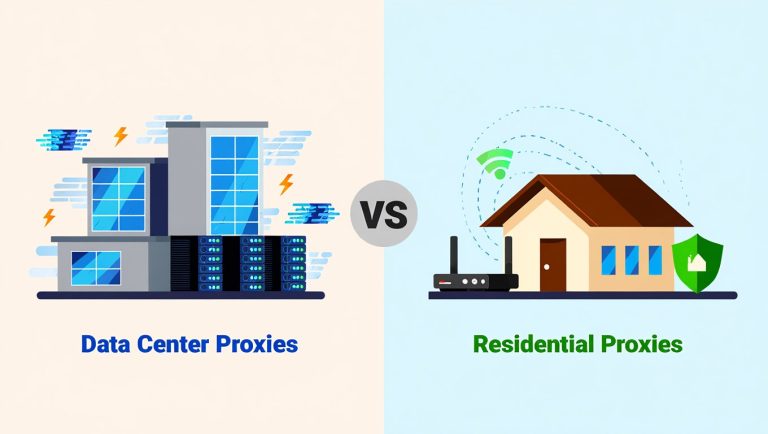
Datacenter vs. Residential Proxies: Differences, Costs, and Use Cases
 Web Scraping
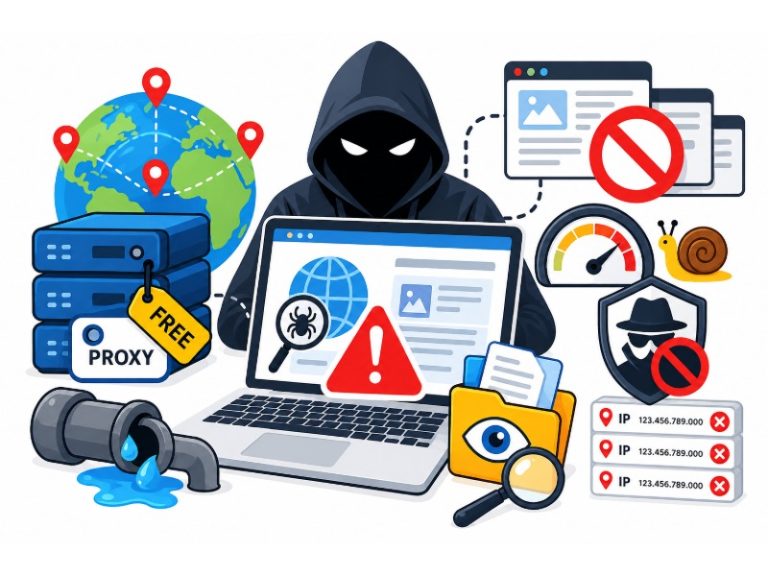
Reasons Why You Should Avoid Using Free Proxies For Web Scraping
 Web Scraping
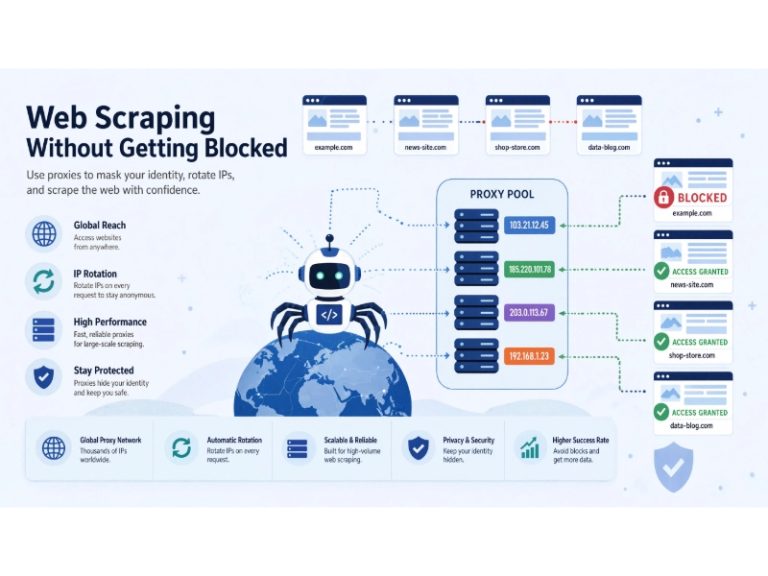
How to Use Proxies for Web Scraping Without Getting Blocked
 VPN & Proxy