

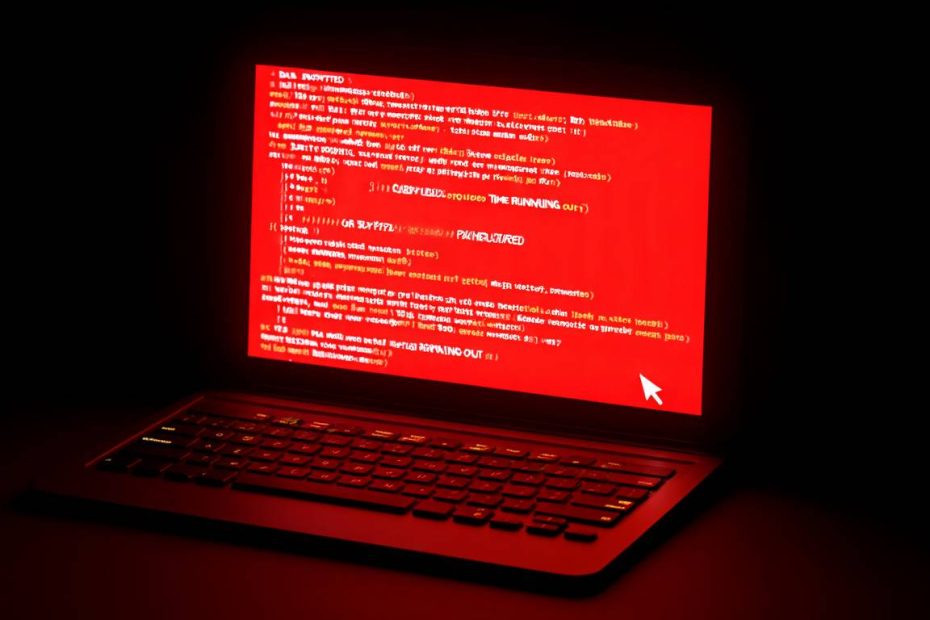
Ransomware is malicious software that encrypts files on computers and demands payment for decryption keys. This cyber threat has become one of the most dangerous security risks facing individuals and organizations today. Cybercriminals use ransomware to lock access to important data, effectively holding it hostage until victims pay a ransom.
Like today, ransomware attacks have reached new levels of sophistication and frequency. Organizations in the United States face the highest risk, accounting for 47 percent of global attacks in recent data. The financial impact continues to grow, with ransom demands reaching billions of dollars annually. Understanding different ransomware types helps you prepare better defenses against these evolving threats.
Modern ransomware variants use advanced techniques that make detection and prevention more challenging. Attackers now employ double extortion methods, where they encrypt data and threaten to leak sensitive information publicly. This creates additional pressure on victims beyond just losing access to their files.
How Ransomware Works in Simple Terms
Ransomware typically enters your system through phishing emails, malicious downloads, or software vulnerabilities. Once installed, it searches for valuable files like documents, photos, and databases. The malware then encrypts these files using strong encryption methods, making them completely unusable.
After encryption completes, you see a ransom note on your screen. This message explains that your files are locked and provides payment instructions. Attackers usually demand payment in cryptocurrency like Bitcoin to hide their identity. They promise to send a decryption key after receiving payment.
The reality is different from their promises. Paying the ransom doesn’t guarantee file recovery. Many victims never receive working decryption keys. Others face repeat attacks because criminals know they will pay. This is why security experts strongly recommend against paying ransoms.

7 Main Types of Ransomware You Need to Know
1. Crypto Ransomware (File Encryption)
Crypto ransomware represents the most common and damaging type of attack. This malware encrypts valuable files on your device or network, making them completely inaccessible. Attackers target important data like documents, photos, databases, and business files.
The encryption process happens quietly in the background. You might not notice anything wrong until you try opening files. By then, hundreds or thousands of files may be encrypted. Recovery without the decryption key becomes nearly impossible.
Modern crypto ransomware variants include LockBit, BlackCat (ALPHV), and Clop. These groups continue evolving their tactics throughout 2025. They use military-grade encryption that even cybersecurity experts cannot break easily.
2. Locker Ransomware (System Lockout)
Locker ransomware takes a different approach than crypto variants. Instead of encrypting files, it locks you out of your entire system. You cannot access applications, files, or even basic system functions.
When you turn on your computer, you see only a ransom message covering your screen. The system refuses to respond to normal commands. Your files remain intact, but you cannot reach them without paying the demanded ransom.
This type causes significant disruption to business operations. Employees cannot work, and critical systems remain offline. However, skilled technicians can sometimes bypass locker ransomware more easily than crypto variants.
3. Scareware (Fear-Based Attacks)
Scareware uses psychological manipulation rather than actual file encryption. It displays fake virus warnings and security alerts to frighten users. These messages claim your computer is infected with dangerous malware.
The fake alerts often look like legitimate antivirus software warnings. They urge you to purchase fake security software to remove non-existent threats. Some scareware variants actually encrypt files, but most rely on fear tactics alone.
Detection becomes easier because scareware shows obvious fake warnings. However, less tech-savvy users often fall victim to these psychological tricks. Education about legitimate security messages helps prevent scareware infections.
4. Doxware or Leakware (Data Theft Threat)
Doxware represents a newer and more dangerous evolution in ransomware attacks. Instead of just encrypting files, attackers steal sensitive information first. They then threaten to publish this data online if you don’t pay the ransom.
This creates additional pressure beyond operational disruption. Organizations face potential reputation damage, legal liability, and regulatory fines. Customer trust can suffer permanent harm if sensitive information becomes public.
Prevention requires data encryption at rest and in transit. Organizations must also implement data loss prevention tools to detect unauthorized access attempts.
5. Ransomware-as-a-Service (RaaS)
RaaS has democratized cybercrime by allowing amateur hackers to launch sophisticated attacks. Criminal organizations rent out ransomware tools to other cybercriminals. This business model has dramatically increased attack frequency.
The RaaS model works like legitimate software services. Criminals provide the malware, infrastructure, and payment processing. Affiliates handle the actual attacks and share profits with the service providers.
This approach has lowered barriers to entry for cybercrime. Attackers no longer need advanced technical skills to launch devastating ransomware campaigns. The result is more frequent attacks targeting smaller organizations.
6. Double Extortion Ransomware
Double extortion combines file encryption with data theft threats. Attackers encrypt your files and simultaneously steal copies of sensitive information. They then demand payment for both file decryption and preventing data publication.
This tactic puts additional pressure on victims to pay ransoms. Even if you have backups to restore encrypted files, you still face the threat of data exposure. Organizations with confidential customer information face particularly high risks.
Major ransomware groups like LockBit and BlackCat frequently use double extortion tactics. They maintain websites where they publish stolen data from organizations that refuse to pay. This public shaming increases pressure on future victims.
7. Fileless Ransomware
Fileless ransomware operates entirely in system memory without creating traditional files. It uses legitimate system tools like PowerShell to execute malicious commands. This makes detection extremely difficult for traditional antivirus software.
The malware leverages existing system applications to encrypt data. Because it uses legitimate tools, security systems often miss these attacks. The encryption happens in memory, leaving fewer traces for investigators.
Prevention requires advanced behavioral monitoring tools. Organizations need endpoint detection and response (EDR) solutions that watch for suspicious application usage. Regular security training helps employees recognize potential attack vectors.
Latest Ransomware Variants Dominating 2025
LockBit: The Persistent Threat
LockBit remains one of the most active ransomware groups in 2025 despite law enforcement disruptions. The group quickly rebuilt its infrastructure after takedown attempts. They continue targeting organizations worldwide with improved encryption methods.
LockBit operates as a RaaS platform with hundreds of affiliates. They offer user-friendly tools that make launching attacks simple for less skilled criminals. Their payment systems handle cryptocurrency transactions automatically.
Recent LockBit variants include improved evasion techniques. They can disable security software and delete system backups before encryption begins. The group also maintains data leak sites to pressure victims into paying ransoms.
BlackCat (ALPHV): The Rust-Based Innovation
BlackCat, also known as ALPHV, represents one of the most technically advanced ransomware families. Written in the Rust programming language, it offers better performance and cross-platform compatibility than traditional variants.
The group pioneered several double extortion techniques that other criminals now copy. They maintain professional-looking leak sites with search functions and victim information. Their negotiation process often resembles legitimate business transactions.
BlackCat affiliates receive generous profit shares, making the program attractive to skilled criminals. The group provides extensive technical support and regular software updates. This business-like approach has made them highly successful.
Clop: The Supply Chain Specialist
Clop ransomware focuses heavily on supply chain attacks that affect multiple organizations simultaneously. They exploit vulnerabilities in widely-used software to access numerous victims through single entry points.
Recent Clop attacks have targeted file transfer services used by thousands of organizations. By compromising these services, they can steal data from hundreds of companies in single operations. This approach maximizes their profits while minimizing effort.
The group has updated its encryption methods multiple times throughout 2025. They also employ advanced data exfiltration techniques that operate slowly to avoid detection. Their patient approach often leads to larger data theft operations.
Emerging Threats: BERT and Others
New ransomware variants continue appearing throughout 2025. BERT ransomware emerged in April with built-in capabilities to shut down virtual machines. This targets organizations that rely heavily on virtualized infrastructure.
Other emerging threats focus on specific industries or technologies. Some variants target mobile devices, while others focus on Internet of Things (IoT) devices. The diversity of targets continues expanding as criminals explore new opportunities.
These newer variants often incorporate artificial intelligence to improve their effectiveness. They can adapt their behavior based on the systems they encounter. This makes them more difficult to detect and counter.

How to Recognize a Ransomware Attack
Early Warning Signs
Ransomware attacks often show warning signs before full encryption begins. Your computer might slow down significantly as the malware scans for files to encrypt. You may notice unusual network activity or hear hard drives working constantly.
File names might change unexpectedly, or file extensions could appear different. Some files might become inaccessible while others still work normally. These signs indicate the encryption process is already underway.
System processes might behave differently than normal. Applications could crash more frequently, or your computer might restart unexpectedly. These symptoms suggest malware is interfering with normal operations.
Immediate Response Steps
If you suspect a ransomware attack, disconnect your device from the internet immediately. This prevents the malware from communicating with criminals or spreading to other devices. Unplug network cables or disable wireless connections.
Turn off your computer to stop the encryption process. Every minute of operation allows more files to become encrypted. Quick action can limit the damage significantly.
Contact your IT support team or cybersecurity professionals immediately. They can help assess the situation and determine the best response options. Don’t attempt to handle the situation alone without proper expertise.
Prevention Strategies That Actually Work
Regular Backup Systems
Maintaining regular, tested backups provides the best protection against ransomware attacks. Store backup copies offline or in locations that malware cannot access. Test your backup restoration process regularly to ensure it works correctly.
Follow the 3-2-1 backup rule: keep 3 copies of important data, store them on 2 different types of media, and keep 1 copy offsite. This approach protects against various failure scenarios, including ransomware attacks.
Automated backup systems work better than manual processes. Schedule daily backups for critical data and weekly full system backups. Verify that backups complete successfully and contain all necessary information.
Security Software and Updates
Install reputable antivirus software with real-time protection capabilities. Enable automatic updates to ensure you have the latest threat definitions. Modern security solutions use artificial intelligence to detect previously unknown threats.
Keep your operating system and applications updated with the latest security patches. Criminals often exploit known vulnerabilities that patches have already fixed. Enable automatic updates when possible to ensure timely installation.
Consider endpoint detection and response solutions for advanced threat detection. These tools monitor system behavior for signs of malicious activity. They can stop attacks before encryption begins.
Employee Training and Awareness
Train employees to recognize phishing emails that commonly deliver ransomware. Teach them to verify sender identities before opening attachments or clicking links. Regular training sessions help maintain awareness levels.
Establish clear procedures for reporting suspicious emails or system behavior. Encourage employees to ask questions when unsure about message legitimacy. Create a culture where security awareness is everyone’s responsibility.
Conduct simulated phishing exercises to test employee readiness. Use results to identify areas needing additional training. Provide positive reinforcement for employees who report suspicious messages correctly.
Network Security Measures
Implement network segmentation to limit ransomware spread between systems. Critical servers should operate on separate network segments with limited access points. This containment strategy reduces attack impact significantly.
Use application whitelisting to prevent unauthorized software execution. Only allow approved applications to run on critical systems. This approach blocks most ransomware variants from executing successfully.
Monitor network traffic for signs of unusual activity. Implement intrusion detection systems that alert administrators to potential threats. Regular monitoring helps identify attacks in their early stages.
What to Do If You’re Infected by Ransomware?
Immediate Response Actions
Disconnect infected devices from your network immediately to prevent malware spread. Turn off wireless connections and unplug network cables. This isolation stops the attack from reaching other systems.
Document everything about the attack for law enforcement and insurance purposes. Take photos of ransom messages and note any unusual system behavior. This information helps investigators track criminal groups.
Contact law enforcement agencies to report the attack. Many agencies have cybercrime units that can provide assistance. They may also have decryption tools for certain ransomware variants.
Refer to our detailed guide on what to do if you’re infected by ransomware for step-by-step recovery instructions.
Recovery Options
Assess your backup systems to determine restoration possibilities. If you have recent, clean backups, you can restore your data without paying ransoms. Verify that backups aren’t infected before restoration.
Consider professional cybersecurity services for attack analysis and recovery assistance. Experts can help assess damage, identify attack vectors, and strengthen future defenses. They may also know about free decryption tools.
Research whether free decryption tools exist for your specific ransomware variant. Security researchers sometimes discover flaws in ransomware encryption. Check resources like No More Ransom project for available tools.
Why You Shouldn’t Pay Ransoms
Paying ransoms doesn’t guarantee file recovery. Many victims never receive working decryption keys after payment. Criminals have no incentive to honor their promises once they receive money.
Payment funds future criminal activities and encourages more attacks. Money from ransoms supports the development of new malware variants. Your payment contributes to the overall ransomware problem.
Paying marks you as a willing victim for future attacks. Criminals often target previous victims because they know payment is possible. You may face repeated attacks from the same or different groups.
Common Industry-Specific Ransomware Targets
Healthcare Organizations
Healthcare facilities face particularly severe ransomware risks due to their reliance on electronic health records. Attackers know that patient care depends on computer systems, creating pressure to pay ransoms quickly. Life-support systems and medical devices also face potential threats.
Protected health information makes healthcare organizations attractive targets for data theft. HIPAA regulations create additional pressure to prevent data breaches. Compliance violations can result in significant fines beyond the direct attack costs.
Healthcare organizations should implement comprehensive data protection strategies including encryption and access controls. Regular security assessments help identify vulnerabilities before criminals exploit them.
Educational Institutions
Schools and universities often lack robust cybersecurity resources, making them attractive targets. They handle sensitive student information and research data that criminals value. Limited IT budgets often mean outdated security systems.
Educational networks typically have many connected devices with varying security levels. Students and faculty often use personal devices that may lack proper security controls. This creates multiple potential entry points for attackers.
Remote learning systems have expanded attack surfaces significantly. Cloud-based educational platforms require careful security configuration. Regular security training for staff and students helps reduce human-factor risks.
Financial Services
Financial institutions face constant ransomware threats due to their valuable data and regulatory requirements. Customer financial information provides opportunities for both encryption and data theft attacks. Regulatory compliance requirements create additional pressure to restore operations quickly.
Banking systems require high availability, making downtime particularly costly. Customers expect 24/7 access to financial services. Even brief outages can damage reputation and customer relationships significantly.
Financial organizations should implement advanced security measures, including multi-factor authentication and zero-trust architectures. Regular penetration testing helps identify potential vulnerabilities.
Government and Law Enforcement Response
International Cooperation Efforts
Law enforcement agencies worldwide are coordinating efforts to combat ransomware groups. International task forces share intelligence and coordinate takedown operations. These efforts have disrupted several major criminal organizations.
The FBI, Europol, and other agencies regularly issue alerts about new ransomware threats. They provide technical information to help organizations defend against specific variants. Public-private partnerships enhance information sharing.
Diplomatic pressure on countries harboring ransomware groups continues to increase. Economic sanctions target individuals and organizations supporting cybercrime activities. However, enforcement remains challenging due to jurisdictional issues.
Legal Consequences
Ransomware attacks can result in serious criminal charges like extortion, computer fraud, and money laundering. Sentences for convicted ransomware operators often include decades in prison. Asset forfeiture laws allow seizure of criminal profits.
Some jurisdictions are making it illegal to pay ransoms to certain criminal groups. These laws aim to reduce funding for terrorist organizations and sanctioned entities. Organizations should consult legal counsel before making payment decisions.
Victim organizations may face regulatory penalties for inadequate security measures. Data protection laws often require reasonable security safeguards. Failures to implement basic protections can result in fines and legal liability.
Future of Ransomware Threats
Emerging Technologies and Risks
Artificial intelligence is being weaponized by both attackers and defenders. Criminals use AI to improve their social engineering tactics and evade detection systems. Defenders employ AI for better threat recognition and automated response.
Cloud computing environments present new attack vectors that criminals are exploring. Misconfigured cloud services provide entry points for ransomware attacks. Organizations must secure both on-premises and cloud infrastructure properly.
Internet of Things devices create additional targets for ransomware groups. Smart devices often lack robust security features, making them vulnerable to compromise. As IoT adoption grows, attack surfaces continue expanding.
Predicted Trends for 2025-2026
Ransomware attacks will likely become more targeted and sophisticated. Criminals are moving away from broad spray-and-pray tactics toward carefully researched targets. This trend increases success rates and potential profits.
Supply chain attacks will probably increase as criminals seek maximum impact from minimal effort. Compromising widely used services allows access to numerous victims simultaneously. Organizations must evaluate their supply chain security carefully.
Mobile ransomware may become more prevalent as smartphones store increasing amounts of valuable data. Current mobile security measures often lag behind desktop protections. This gap creates opportunities for criminal exploitation.
Building Organizational Resilience
Developing Response Plans
Create comprehensive incident response plans that address ransomware scenarios specifically. Define roles and responsibilities for different team members during attacks. Include communication protocols for internal and external stakeholders.
Practice response procedures through regular tabletop exercises and simulations. Test your ability to isolate systems, communicate with stakeholders, and restore operations. Document lessons learned and update procedures accordingly.
Establish relationships with cybersecurity firms, legal counsel, and law enforcement before incidents occur. Having these contacts ready saves valuable time during actual emergencies. Consider cyber insurance to help manage financial risks.
Security Culture Development
Foster a security-conscious culture where employees understand their role in organizational protection. Make cybersecurity training engaging and relevant to daily work activities. Recognize and reward good security behaviors.
Implement clear policies for acceptable use of technology resources. Ensure employees understand the consequences of policy violations. Regular reminders help maintain awareness levels over time.
Encourage reporting of security incidents without fear of punishment. Many organizations discover attacks only after significant damage occurs. Early reporting enables faster response and damage limitation.
Conclusion
Ransomware is still a major cybersecurity threat for organizations and individuals. Ransomware Attack types vary, from basic crypto ransomware to advanced double extortion schemes. This range demands a clear understanding and careful preparation. Criminal groups like LockBit, BlackCat, and Clop demonstrate remarkable resilience and innovation in their attack methods.
Protection requires a multi-layered approach combining technical controls, employee education, and incident response planning. Regular backups, security updates, and network monitoring provide essential defensive capabilities. However, no single measure can guarantee complete protection against determined attackers.
The cost of inadequate preparation far exceeds investment in proper cybersecurity measures. Organizations that implement comprehensive protection strategies significantly reduce their risk of successful attacks. When incidents do occur, prepared organizations recover faster and suffer less damage than those caught unprepared.
Moving forward, ransomware threats will likely become more targeted and sophisticated. Organizations must stay informed about emerging threats and continuously update their defensive capabilities. The cybersecurity landscape demands constant vigilance and adaptation to stay ahead of evolving criminal tactics.
Remember that cybersecurity is everyone’s responsibility, not just IT departments. Each person using technology plays a role in maintaining organizational security. By working together and staying informed, we can build stronger defenses against ransomware and other cyber threats.
You May Also Like
 Web Development
Supabase vs Firebase: Which Backend Platform is Right for Your Project?
 Web Development
REST API vs SOAP API: Differences, Pros & Cons, and Use Cases
 Web Development
What Is API Rate Limiting? (A Practical, Simple Guide for Safer, Faster APIs)
 Data Security & Privacy
Is Eldorado.gg Legit? An Honest 2026 Review
 Data Security & Privacy
Is Gameflip Legit and Safe for Gift Cards?
 Cybersecurity
Is Fanatical Legit? An Honest Review Based on Real Gamer Experiences
 Cybersecurity
Is Groupon Legit? An Honest Review In 2026
 Cybersecurity
Is Romspure Safe? An Honest Look at the ROM Site’s Risks and Trust Scores
 Cybersecurity