

Are you looking for the best cargo tracking software to improve your supply chain visibility? Many companies struggle with lost shipments, delayed deliveries, and frustrated customers who want to know where their orders are at all times.
The global logistics industry keeps growing, with companies needing better ways to track their shipments. Research shows that 88% of online shoppers want real-time tracking, and 85% of customers won’t shop with you again after one bad delivery experience.
This guide looks at the top 12 cargo tracking software solutions you can use for your business. We’ll show you their features, prices, and benefits so you can pick the right freight tracking system for your business. Whether you run a small company or manage big operations, you’ll find the perfect logistics tracking platform to make your supply chain work better.
What is Cargo Tracking Software and Why Do You Need It?
Cargo tracking software shows you where your shipments are and what’s happening to them in real-time. These systems connect with carriers, shipping companies, and transportation providers to give you updates on your freight from pickup to delivery.
Think of it as GPS for your packages, but much more powerful. Instead of just showing location, these platforms tell you about delays, customs clearance, temperature changes, and delivery confirmations. They help you stay ahead of problems before they affect your customers.
Here’s why your business needs cargo tracking software:
- Customer satisfaction: Your customers want to know where their orders are
- Cost reduction: Catch problems early to avoid expensive delays
- Better planning: Use real data to improve your logistics operations
- Reduced support calls: Customers can check tracking themselves
- Improved relationships: Keep partners and suppliers informed automatically
Modern supply chain visibility software goes beyond basic tracking. It includes features like predictive analytics, automated notifications, and integration with your existing business systems. This helps you make smarter decisions and run your operations more smoothly.
How Does Freight Tracking Software Work?
Freight tracking systems collect data from multiple sources and present it in one easy-to-use dashboard. The process starts when you create a shipment in the system or import data from your existing transportation management system.
Here’s how the tracking process works:
- Data Integration: The software connects to carrier systems through APIs and EDI connections
- Real-time Updates: It pulls information about pickup, transit milestones, and delivery status
- Location Tracking: GPS and telematics data show exact shipment locations
- Alert Generation: The system sends notifications about delays, exceptions, or delivery attempts
- Dashboard Updates: All information appears in your control center for easy monitoring
Most cargo tracking platforms support multiple transportation modes. You can track shipments whether they go by truck, rail, ocean, or air freight. The software automatically switches between different carrier systems as your shipment moves through the supply chain.
Advanced systems also include features like:
- Predictive ETA calculations based on historical data and current conditions
- Exception management to handle delays and routing changes
- Document management for bills of lading, customs paperwork, and proof of delivery
- Analytics and reporting to help you improve your logistics performance
Key Features to Look for in Cargo Tracking Software
What features should you prioritize when choosing shipment tracking software?
Look for real-time visibility, multi-carrier support, automated notifications, and easy integration with your existing systems. These core features will give you the foundation you need for effective supply chain management.
Here are the essential features every good cargo tracking system should have:
Real-time GPS Tracking and Visibility: Your software should show you exactly where your shipments are at any moment. This includes location updates, estimated arrival times, and milestone tracking for important events like pickup, departure, and arrival.
Multi-carrier and Multi-modal Support: The best platforms work with hundreds of carriers across different transportation modes. Whether you ship by truck, train, ship, or plane, your tracking software should handle it all in one place.
Automated Alerts and Notifications: Set up custom alerts for delays, exceptions, delivery attempts, and other important events. The system should notify you and your customers automatically through email, SMS, or mobile app notifications.
API Integration and Data Exchange: Your tracking software needs to connect with your ERP, WMS, TMS, and e-commerce platforms. Look for solutions with robust APIs that make data sharing easy and reliable. Just like how businesses need secure data management practices, your logistics data requires proper integration and protection.
Analytics Dashboard and Reporting: Good tracking software gives you insights, not just data. Look for platforms that offer performance analytics, carrier scorecards, and customizable reports to help you make better decisions.
Mobile App Access: Your team needs to access tracking information from anywhere. Make sure your chosen platform offers mobile apps for both iOS and Android devices.
Proof of Delivery Management: Electronic proof of delivery with photos, signatures, and timestamps helps you confirm successful deliveries and resolve disputes quickly.
Exception Management Tools: When things go wrong, you need tools to manage exceptions quickly. Look for features that help you reroute shipments, update customers, and coordinate with carriers.
Top 12 Best Cargo Tracking Software Solutions in 2025
1. Project44

Project44 operates one of the largest real-time transportation visibility networks in the world. They track over 1 billion shipments annually for more than 1,300 brands across multiple transportation modes. The company has built strong relationships with carriers and logistics providers globally, making them a leader in supply chain visibility.
What sets Project44 apart is their comprehensive approach to freight visibility. They don’t just track your shipments – they predict what will happen next. Their platform uses machine learning to analyze historical data and current conditions, giving you accurate delivery predictions. This helps you plan better and keeps your customers informed with reliable updates.
The platform covers every type of shipping you might need. Whether you’re moving containers across the ocean, shipping by rail, or sending packages by air, Project44 has you covered. They work with over 1,000 carriers and provide real-time updates throughout your shipment’s journey. Their API-first approach makes it easy to connect with your existing systems and get data flowing quickly.
Project44 also excels at handling problems when they occur. Their exception management tools automatically detect delays and disruptions, then alert the right people so you can take action. This proactive approach helps you solve problems before they impact your customers, improving satisfaction and reducing support calls.
Key Features:
- Real-time tracking across ocean, air, rail, and road freight
- Predictive analytics and machine learning for accurate ETAs
- Integration with 1,000+ carriers and logistics providers
- Advanced exception management and automated notifications
- API-first platform for easy system integration
Best For: Enterprise shippers who need comprehensive multi-modal freight tracking with advanced analytics.
Pricing: Contact for custom pricing based on shipment volume and features needed.
2. FourKites
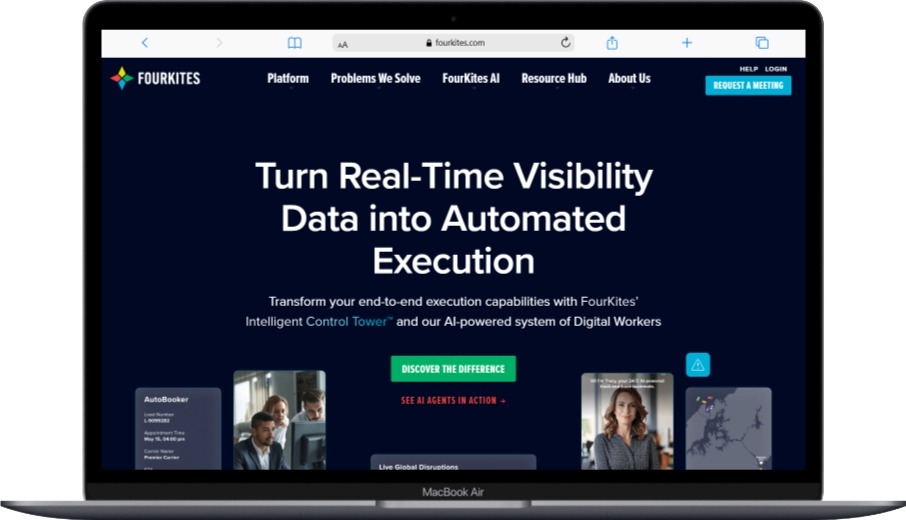
FourKites provides real-time supply chain intelligence for over 1,200 companies across 200+ countries. Their platform stands out for its use of artificial intelligence and machine learning to deliver predictive insights that help optimize logistics operations. The company has grown rapidly by focusing on accuracy and reliability in their tracking data.
The strength of FourKites lies in their global reach and advanced technology. They use AI to predict delivery times with remarkable accuracy, often within hours of the actual delivery. This level of precision helps businesses plan better and provide more reliable information to their customers. Their platform also includes dynamic yard management features that help optimize loading and unloading operations.
FourKites works particularly well for companies that ship temperature-sensitive products. Their cold chain monitoring capabilities track temperature, humidity, and other environmental factors throughout the shipment journey. If conditions go outside acceptable ranges, you get immediate alerts so you can take corrective action before products are damaged.
The platform’s carrier network includes over 1,000 integrations, covering everything from major shipping lines to local trucking companies. This comprehensive coverage means you can track all your shipments in one place, regardless of which carriers you use. Their mobile app keeps your team connected even when they’re away from their desks.
Key Features:
- Global multi-modal tracking across all transportation modes
- AI-powered predictive analytics for delivery date accuracy
- Dynamic yard management and appointment scheduling
- Cold chain monitoring for temperature-sensitive shipments
- Comprehensive carrier network with 1,000+ integrations
Best For: Large enterprises and 3PLs needing global supply chain visibility with predictive capabilities.
Pricing: Custom enterprise pricing available upon request.
3. Descartes MacroPoint

Descartes MacroPoint specializes in real-time freight visibility for shippers, freight brokers, and 3PLs. They operate one of the largest carrier networks in North America with over 1.3 million connected assets, making them particularly strong for domestic shipping operations. The platform has earned a reputation for reliability and ease of use among logistics professionals.
What makes MacroPoint different is their focus on eliminating manual check calls. Instead of your team spending hours calling carriers for updates, their system automatically pulls real-time location data from trucks through telematics integration. This saves significant time and gives you more accurate information than you’d get from phone calls.
The platform works especially well for freight brokers who need to keep multiple customers informed about their shipments. MacroPoint’s automated communication features send updates to all stakeholders without manual intervention. You can customize the frequency and type of updates based on each customer’s preferences, helping maintain strong relationships.
MacroPoint also offers excellent integration capabilities with existing TMS platforms. Their API connects easily with popular systems like AscendTMS, LoadRunner, and others. This means you don’t have to change your existing workflows – MacroPoint simply adds real-time visibility to the systems you already use. The setup process is typically quick and straightforward.
Key Features:
- Largest carrier network in North America
- Real-time GPS tracking with telematics integration
- Automated check calls and carrier communication
- Exception-based alerts and notifications
- Easy integration with existing TMS platforms
Best For: Freight brokers and 3PLs who need extensive carrier connectivity in North America.
Pricing: Subscription-based pricing starting around $500-1,000 per month depending on volume.
4. Freightify

Freightify combines rate management with track and trace features, making it an all-in-one solution for freight forwarders. Their platform helps users find competitive rates while providing end-to-end shipment visibility, which makes it particularly valuable for companies that handle both pricing and tracking in-house. The system is designed specifically for the needs of freight forwarding businesses.
The rate management features set Freightify apart from pure tracking solutions. You can search and compare rates from multiple carriers in real-time, helping you find the best deals for your customers. The platform also handles contract rates, spot rates, and tariffs automatically, reducing manual work and the chance of errors. Rate benchmarking tools help you stay competitive in the market.
Freightify’s tracking capabilities cover the entire shipment journey from origin to destination. You get real-time updates on pickup, transit milestones, customs clearance, and final delivery. The system automatically generates proactive notifications for delays or exceptions, helping you manage customer expectations and resolve issues quickly.
The platform keeps detailed records of your rate inquiries and tracking history, which helps with customer service and business analysis. You can see which routes and carriers perform best, identify cost-saving opportunities, and make data-driven decisions about your logistics operations. This combination of pricing and tracking data gives you a complete picture of your shipping performance.
Key Features:
- Dynamic rate search and comparison across multiple carriers
- Real-time shipment tracking from origin to destination
- Automated rate management and contract handling
- Rate benchmarking against market standards
- Inquiry history and rate fluctuation monitoring
Best For: Freight forwarders and small to medium businesses looking for affordable cargo tracking software with rate management.
Pricing: Plans start at $499/month for essential features, with enterprise options available.
5. Beacon

Beacon provides supply chain visibility across ocean, air, and ground transportation with a focus on collaboration and documentation management. Their platform is designed to give all stakeholders in the supply chain real-time access to shipment information, making communication smoother and more efficient. The system works particularly well for companies with complex international shipping operations.
The collaborative features of Beacon help teams work together more effectively. Multiple users can access the same shipment information, add notes, and share updates without sending emails back and forth. This shared workspace approach reduces miscommunication and ensures everyone has the most current information about shipment status and requirements.
Beacon excels at document management, which is crucial for international shipping. The platform stores and organizes all your shipping documents, including bills of lading, customs paperwork, and certificates. Documents are automatically linked to the relevant shipments, making it easy to find what you need when customs or customers ask for information.
The analytics and reporting features help you identify trends and improvement opportunities in your supply chain. You can track carrier performance, measure delivery times, and analyze costs across different routes and service levels. These insights help you make better decisions about carrier selection and route optimization. Similar to how businesses use inventory management software to optimize their stock levels, Beacon helps optimize your logistics operations.
Key Features:
- Multi-modal freight tracking across all transportation modes
- Document management and compliance tools
- Collaborative platform for shippers and carriers
- Real-time alerts and automated notifications
- Analytics and reporting for supply chain optimization
Best For: Companies with complex global supply chains needing comprehensive visibility and collaboration tools.
Pricing: Starting from $99/month on yearly subscriptions.
6. AfterShip

AfterShip tracks shipments from over 1,000 carriers worldwide and focuses on improving the post-purchase customer experience. Their platform is particularly popular with e-commerce businesses that want to provide branded tracking experiences and reduce customer service inquiries about order status. The system transforms basic carrier tracking into engaging customer touchpoints.
The branded tracking pages feature is one of AfterShip’s strongest selling points. Instead of sending customers to generic carrier websites, you can create custom tracking pages that match your brand colors, logo, and messaging. These pages can include marketing content, product recommendations, and social media links, turning tracking into a marketing opportunity.
AfterShip’s automated notification system keeps customers informed throughout the shipping process. You can set up email and SMS alerts for key milestones like shipment pickup, in-transit updates, and delivery confirmation. The notifications are fully customizable, so you can match your brand voice and include relevant information for each stage of the journey.
The platform also includes returns management features that streamline the reverse logistics process. Customers can initiate returns through the same interface they use for tracking, and you get visibility into return shipments just like regular orders. This integrated approach reduces complexity and provides a better experience for both customers and your support team. Just as companies need effective project management software to coordinate their teams, AfterShip helps coordinate the entire post-purchase experience.
Key Features:
- Multi-carrier tracking across 1,000+ global carriers
- Branded tracking pages with custom domains and marketing integration
- Automated delivery notifications via email and SMS
- Returns management and reverse logistics tools
- API integration with major e-commerce platforms
Best For: E-commerce retailers and brands wanting to improve post-purchase customer experience.
Pricing: Free plan available; paid plans start at $11/month based on shipment volume.
7. Shipwell

Shipwell combines transportation management system capabilities with advanced freight tracking in an AI-driven platform. They focus on automation and optimization, helping businesses streamline their entire freight management process from quoting through delivery. The platform is designed for companies that want to reduce manual work and improve operational efficiency.
The AI-powered features of Shipwell set it apart from traditional tracking solutions. The system automatically selects the best carriers based on your requirements, historical performance, and current capacity. It can also optimize routes and consolidate shipments to reduce costs. These intelligent features help you make better decisions without spending hours analyzing data.
Shipwell’s quoting and booking features integrate seamlessly with their tracking capabilities. You can get quotes, book shipments, and track them all within the same platform. This end-to-end approach eliminates the need to jump between different systems and reduces the chance of errors. The platform also handles all the paperwork and documentation automatically.
The analytics and reporting tools provide deep insights into your freight operations. You can track carrier performance, identify cost-saving opportunities, and measure key performance indicators like on-time delivery rates. The platform learns from your shipping patterns and suggests improvements over time, helping you continuously optimize your logistics operations.
Key Features:
- AI-driven freight management and optimization
- Multi-modal transportation booking and tracking
- Automated carrier selection and route optimization
- Integrated quoting, booking, and tracking workflow
- Advanced analytics and performance reporting
Best For: Mid-to-large enterprises needing comprehensive freight management with automation.
Pricing: Plans start at $1,000/month for basic features.
8. ClickPost

ClickPost specializes in logistics intelligence and data analytics, going beyond basic tracking to provide actionable insights about delivery performance. Their platform is particularly strong for e-commerce and retail companies that want to optimize their last-mile delivery operations. The system uses AI to predict and prevent delivery issues before they impact customers.
The NDR (Non-Delivery Report) management feature is one of ClickPost’s most valuable tools. When deliveries fail, the system automatically manages the exception workflow, attempting to reschedule deliveries or resolve address issues without manual intervention. This automation significantly reduces failed delivery rates and improves customer satisfaction.
ClickPost’s predictive analytics help you provide more accurate delivery dates to customers. The system analyzes historical data, current traffic conditions, and carrier performance to calculate realistic delivery windows. More accurate promises lead to fewer disappointed customers and reduced support calls about delayed orders.
The platform integrates with over 350 carriers globally and provides deep analytics about their performance. You can see which carriers perform best for different routes, delivery types, and customer segments. This data helps you make smarter decisions about carrier selection and negotiate better service levels. The insights are particularly valuable for businesses that need to maintain high delivery performance standards.
Key Features:
- AI-powered delivery performance analytics
- Automated NDR management and exception handling
- Predictive delivery date calculations
- Multi-carrier integration with 350+ global carriers
- Comprehensive logistics performance dashboards
Best For: E-commerce and retail companies focused on last-mile delivery optimization.
Pricing: Contact for custom pricing based on shipment volume and features.
9. Shippo

Shippo provides multi-carrier shipping and tracking solutions with a focus on simplicity and ease of use. Their platform is designed for small to medium businesses that need professional shipping capabilities without complex setup or high costs. The system handles everything from rate comparison to label printing to shipment tracking in one integrated solution.
The rate comparison feature helps you find the best shipping deals for each package. Shippo shows rates from multiple carriers side by side, including delivery times and service levels. This transparency helps you balance cost and speed to meet customer expectations while controlling shipping expenses. The platform also provides discounted rates through their carrier partnerships.
Shippo’s tracking capabilities are straightforward but comprehensive. You get real-time updates on shipment status, and customers receive automated notifications about their orders. The tracking information integrates seamlessly with popular e-commerce platforms like Shopify, WooCommerce, and Magento, so your customers can check order status without leaving your website.
The platform includes address validation and shipment insurance features that help reduce delivery problems and protect your business. Address validation catches common errors before shipping, while insurance options protect against loss or damage. These features work together to improve delivery success rates and reduce customer complaints. For businesses looking to improve their overall operations, Shippo integrates well with other business tools similar to how accounting software integrates with e-commerce platforms.
Key Features:
- Multi-carrier rate comparison and label printing
- Real-time shipment tracking with customer notifications
- E-commerce platform integrations (Shopify, WooCommerce, etc.)
- Address validation and shipment insurance options
- Developer-friendly API for custom integrations
Best For: Small to medium e-commerce businesses needing simple, affordable shipping solutions.
Pricing: Free plan available; paid plans start at $19/month.
10. GoFreight

GoFreight provides cloud-based freight forwarding software with integrated tracking capabilities designed specifically for NVOCCs and freight forwarders. Their platform combines customer relationship management, operations management, and real-time tracking in one comprehensive system. The solution helps freight forwarders manage their entire business operations more efficiently.
The platform’s strength lies in its industry-specific features for freight forwarding operations. GoFreight handles quotations, bookings, documentation, and tracking all within the same system. This integrated approach eliminates the need for multiple software solutions and reduces data entry errors. The system also manages accounting and invoicing for freight forwarding operations.
GoFreight’s container tracking capabilities provide real-time visibility for ocean freight shipments. The system automatically pulls updates from shipping lines and provides accurate ETAs for vessel arrivals and container availability. This information helps freight forwarders keep their customers informed and plan their operations more effectively.
The collaboration features help freight forwarders work more efficiently with their customers and partners. The platform provides customer portals where clients can check shipment status, download documents, and communicate with your team. This self-service approach reduces phone calls and emails while improving customer satisfaction.
Key Features:
- Integrated freight forwarding operations management
- Real-time container and cargo tracking
- Customer portals for self-service tracking
- Document management and compliance tools
- Accounting and invoicing for freight operations
Best For: Freight forwarders and NVOCCs needing comprehensive business management with tracking.
Pricing: Plans start at $120/month per user.
11. EasyShip

EasyShip focuses on international shipping for e-commerce businesses, providing tools to handle cross-border logistics including customs, duties, and tracking. Their platform is particularly valuable for businesses that sell globally but don’t want to deal with the complexity of international shipping regulations and carrier relationships.
The customs management features are where EasyShip really shines. The platform automatically calculates duties and taxes for international shipments, generates the required customs documentation, and helps ensure compliance with import/export regulations. This automation reduces delays and helps packages clear customs more quickly.
EasyShip’s carrier network includes both major international carriers and local delivery partners in various countries. This hybrid approach helps optimize both cost and delivery speed for international shipments. The platform automatically selects the best carrier based on destination, package characteristics, and your preferences.
The tracking capabilities extend throughout the international shipping process, including customs clearance status and local delivery updates. Customers receive notifications about customs processing, duty payments, and final delivery attempts. This transparency helps manage expectations for international deliveries, which typically take longer and involve more steps than domestic shipping.
Key Features:
- International shipping with automated customs handling
- Global carrier network with local delivery partners
- Duty and tax calculation with customs documentation
- End-to-end tracking for cross-border shipments
- E-commerce platform integrations for global selling
Best For: E-commerce businesses selling internationally who need simplified cross-border shipping.
Pricing: Plans start at $29/month with per-shipment fees.
12. Tive
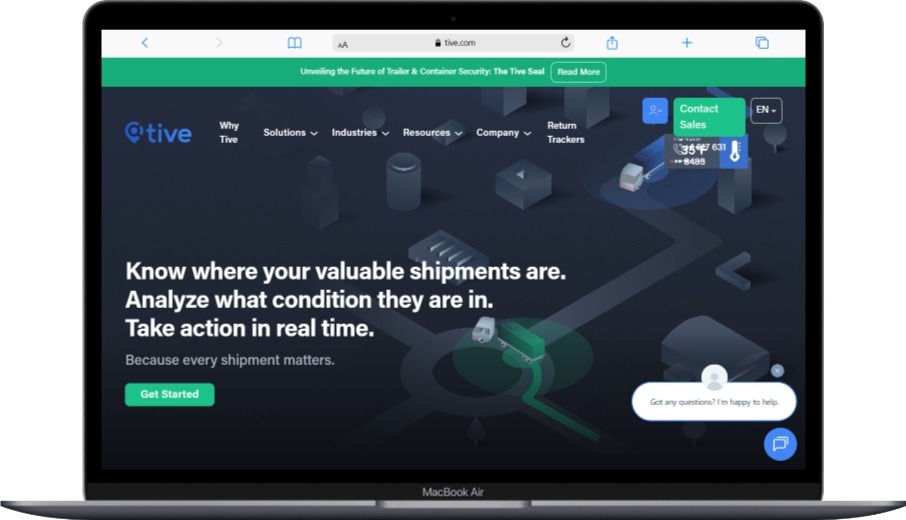
Tive specializes in real-time supply chain visibility with a focus on condition monitoring and asset tracking. Their platform uses IoT sensors and GPS trackers to provide not just location data, but also information about temperature, humidity, shock, and light exposure during shipment. This makes them particularly valuable for companies shipping sensitive or high-value products.
The condition monitoring capabilities set Tive apart from location-only tracking solutions. Their sensors can detect temperature excursions, excessive vibration, or exposure to light that might damage sensitive products. You get immediate alerts when conditions go outside acceptable ranges, allowing you to take corrective action or prepare for potential damage claims.
Tive’s tracking devices are designed to be easy to use without requiring special technical knowledge. The sensors activate automatically when removed from their base station and begin transmitting data immediately. At the destination, the devices can be easily returned or reused for the next shipment, making the process cost-effective for regular shippers.
The platform provides detailed analytics about shipment conditions and routes, helping you identify patterns and improvement opportunities. You can see which carriers handle your products most carefully, which routes have the most temperature variations, or which packaging methods provide the best protection. This data helps you make informed decisions about logistics partners and shipping methods. Similar to how businesses use time tracking software to monitor productivity, Tive helps monitor shipment conditions throughout the supply chain.
Key Features:
- IoT sensors for temperature, humidity, shock, and light monitoring
- Real-time GPS tracking with condition alerts
- Reusable tracking devices with easy activation
- Detailed analytics for route and carrier performance
- API integration for supply chain management systems
Best For: Companies shipping temperature-sensitive, fragile, or high-value products requiring condition monitoring.
Pricing: Contact for pricing based on tracking volume and sensor requirements.
Benefits of Using Cargo Tracking Software
How can cargo tracking software improve your business operations?
Cargo tracking software reduces costs, improves customer satisfaction, and provides valuable data for optimizing your supply chain operations. Companies that implement comprehensive tracking solutions typically see improvements in multiple areas of their business within the first few months.
Here are the key benefits you can expect:
Reduced Customer Service Costs: When customers can track their own shipments, they call your support team less often. Many companies see a 30-40% reduction in “where is my order” inquiries after implementing good tracking software. Your team can focus on more valuable tasks instead of answering routine status questions.
Improved Customer Satisfaction: Real-time tracking and proactive notifications help manage customer expectations. When delays happen, customers appreciate being informed early rather than discovering problems when their shipment doesn’t arrive on time. This transparency builds trust and loyalty.
Better Supply Chain Planning: Historical tracking data helps you identify patterns and plan more effectively. You can see which routes typically have delays, which carriers perform best, and where bottlenecks occur in your supply chain. This information helps you make smarter decisions about logistics partnerships and inventory planning.
Faster Problem Resolution: Automated alerts tell you about problems as soon as they happen, not days later when customers start complaining. Early warning gives you time to find solutions, reroute shipments, or adjust delivery schedules before customers are impacted.
Lower Transportation Costs: Analytics from tracking software help you identify cost-saving opportunities. You might discover that certain carriers perform better on specific routes, or that consolidating shipments could reduce expenses. Data-driven decisions typically lead to 10-20% savings on transportation costs.
Improved Compliance and Documentation: Electronic proof of delivery and automated documentation reduce paperwork and improve compliance with customer requirements. You have complete records of when shipments were picked up, transported, and delivered, which helps with disputes and audits.
Cargo Tracking vs Transportation Management Systems: What’s the Difference?
Should you choose dedicated tracking software or a full TMS platform?
Cargo tracking software focuses specifically on shipment visibility, while transportation management systems handle the entire logistics process including planning, execution, and optimization. The choice depends on your business needs and current systems.
Here’s how they compare:
Cargo Tracking Software:
- Specializes in real-time shipment visibility
- Usually easier to implement and use
- Lower cost for basic tracking needs
- Integrates with existing TMS or ERP systems
- Best for companies that already have logistics processes in place
Transportation Management Systems:
- Handles the full logistics lifecycle from planning to delivery
- Includes features like route optimization, carrier selection, and load planning
- Higher cost but more comprehensive functionality
- Requires more time and resources to implement
- Best for companies that need to optimize their entire transportation operation
Many businesses start with dedicated tracking software and later upgrade to a full TMS as their operations grow. The tracking software provides immediate visibility benefits while you plan for a more comprehensive logistics platform. Some companies also use both – a TMS for planning and execution, with specialized tracking software for enhanced visibility and customer communication.
The key is to match the solution to your current needs and growth plans. If you just need better visibility into existing shipments, tracking software is probably the right choice. If you need to optimize routes, manage carriers, and plan loads more effectively, a TMS makes more sense.
How to Choose the Right Cargo Tracking Software
What factors should guide your software selection decision?
Consider your shipment volume, transportation modes, integration requirements, and budget when choosing cargo tracking software. The right solution should fit your current needs while providing room for growth as your business expands.
Start by evaluating your current shipping operations:
Shipment Volume and Complexity: High-volume shippers need platforms that can handle thousands of tracking updates without performance issues. If you ship internationally or use multiple transportation modes, make sure your chosen software supports all your routes and carriers.
Integration Requirements: Your tracking software should connect seamlessly with your existing systems. Look for platforms with robust APIs that can integrate with your ERP, WMS, or e-commerce platform. Poor integration leads to manual data entry and increased errors.
User Experience and Training: Choose software that your team can learn quickly and use effectively. Complex platforms might have more features, but they’re not helpful if your staff can’t use them efficiently. Consider the technical skill level of your users when making your decision.
Scalability and Growth: Select a platform that can grow with your business. Your tracking needs will likely change as you expand into new markets, add carriers, or increase shipment volumes. Make sure your chosen solution can accommodate future growth without requiring a complete system replacement.
Customer Communication Features: If customer experience is important to your business, prioritize platforms with strong notification and branded tracking capabilities. E-commerce businesses typically need more customer-facing features than B2B shippers.
Budget and ROI Considerations: Calculate the total cost of ownership, including implementation, training, and ongoing fees. Compare this to the expected benefits like reduced customer service costs, improved efficiency, and better customer satisfaction. Most tracking software pays for itself within 12-18 months through operational improvements.
Implementation Best Practices for Cargo Tracking Software
How can you ensure successful implementation of your chosen tracking platform?
Plan your implementation carefully, provide adequate training, and start with a pilot program before rolling out to your entire operation. Successful implementations require both technical preparation and change management to ensure user adoption.
Follow these best practices:
Start with Clear Objectives: Define what you want to achieve with your tracking software. Specific goals like “reduce customer service calls by 30%” or “improve delivery time accuracy to 95%” help guide your implementation and measure success.
Prepare Your Data: Clean up your carrier information, customer data, and shipment records before implementing the new system. Poor data quality leads to inaccurate tracking and user frustration. Make sure all stakeholders understand the importance of maintaining good data hygiene.
Plan Integration Carefully: Work with your IT team and software vendor to plan API integrations and data flows. Test all connections thoroughly before going live. Have backup plans for critical integrations in case of technical issues.
Provide Comprehensive Training: Train not just your logistics team, but also customer service representatives, sales staff, and anyone else who might need to access tracking information. Include training on troubleshooting common issues and escalation procedures.
Start Small and Scale Up: Begin with a pilot program covering a subset of your shipments or a specific business unit. This allows you to work out any issues before rolling out to your entire operation. Use lessons learned from the pilot to refine your processes.
Monitor and Optimize: Track key performance indicators after implementation to measure success and identify areas for improvement. Regular monitoring helps you realize the full benefits of your tracking software investment. Just like businesses need to monitor their cybersecurity measures, tracking software requires ongoing attention to deliver optimal results.
Future of Cargo Tracking Technology
What new technologies will shape cargo tracking in the coming years?
Artificial intelligence, IoT sensors, blockchain technology, and 5G connectivity will make cargo tracking more accurate, predictive, and automated. These emerging technologies promise to solve current limitations and create new possibilities for supply chain visibility.
Here are the key trends to watch:
AI and Machine Learning: Advanced algorithms will predict delivery times more accurately by analyzing weather, traffic, port congestion, and historical patterns. AI will also automate exception management, suggesting solutions when problems occur and even taking corrective actions automatically.
IoT and Sensor Technology: More sophisticated sensors will monitor additional conditions like gas levels, door openings, and tilt angles. These devices will become smaller, cheaper, and longer-lasting, making condition monitoring practical for more types of shipments.
Blockchain for Supply Chain Transparency: Blockchain technology will create tamper-proof records of shipment events, improving trust and reducing disputes. This will be particularly valuable for high-value goods and regulated industries that require complete chain of custody documentation.
5G and Edge Computing: Faster network connections will enable real-time video streaming from cargo containers and trucks. Edge computing will process data locally, reducing latency and enabling faster responses to changing conditions.
Autonomous Vehicles and Drones: Self-driving trucks and delivery drones will generate more precise tracking data and eliminate human error in status reporting. These technologies will also enable new delivery models that require sophisticated tracking and coordination.
Predictive Analytics: Systems will move beyond reactive tracking to predictive insights, warning about potential delays days in advance and suggesting alternative routes or carriers. This proactive approach will help companies avoid problems rather than just responding to them.
Cost Analysis: ROI of Cargo Tracking Software
How much should you expect to spend and what returns can you achieve?
Most businesses see ROI within 12-18 months through reduced customer service costs, improved efficiency, and better customer retention. The investment typically ranges from $500-5,000 per month depending on your shipment volume and feature requirements.
Here’s what to expect for costs:
Software Subscription Fees:
- Small businesses: $500-2,000 per month
- Medium businesses: $2,000-8,000 per month
- Large enterprises: $8,000-25,000 per month
- Usage-based pricing: $0.50-2.00 per tracked shipment
Implementation and Setup:
- Basic setup: $2,000-10,000 one-time cost
- Complex integrations: $10,000-50,000 one-time cost
- Training and change management: $5,000-20,000
Ongoing Maintenance:
- API maintenance: $500-2,000 per month
- User support and training: $1,000-5,000 per month
- System updates and enhancements: $2,000-8,000 per year
Expected ROI Sources:
- Customer service cost reduction: 20-40% fewer inquiries
- Improved carrier negotiations: 5-15% transportation cost savings
- Reduced detention and demurrage fees: $50,000-200,000 annually
- Better customer retention: 10-25% improvement in repeat business
- Operational efficiency gains: 15-30% productivity improvement
Most companies achieve full payback within 18 months and continue to see benefits that grow over time as they optimize their operations based on tracking data insights.
FAQ Section
Does cargo tracking software work with all carriers?
Most modern cargo tracking platforms integrate with hundreds of carriers, but coverage varies by provider. The largest platforms like Project44 and FourKites support over 1,000 carriers globally, while smaller solutions might focus on specific regions or transportation modes. Check with your potential vendor about coverage for your specific carriers before making a decision.
Can small businesses afford professional cargo tracking software?
Yes, many tracking solutions offer affordable plans starting around $500-1,000 per month. Some providers like AfterShip and Shippo offer free plans with basic features, making professional tracking accessible even for very small businesses. The key is choosing a solution that matches your current needs and can scale as you grow.
How long does it take to implement cargo tracking software?
Basic implementations typically take 2-6 weeks, while complex integrations with multiple systems can take 3-6 months. The timeline depends on your integration requirements, data quality, and internal resources. Cloud-based solutions generally implement faster than on-premise systems.
Is real-time tracking really real-time?
Most “real-time” tracking updates every 15-30 minutes rather than continuously. True real-time tracking requires GPS devices on vehicles or containers, which some premium solutions provide. Standard tracking relies on carrier systems that update at regular intervals throughout the shipment journey.
What happens if the tracking software goes down?
Reputable providers offer 99.5% or higher uptime guarantees with redundant systems and backup capabilities. Most platforms store historical data so you don’t lose tracking information during outages. Choose providers with strong infrastructure and clear service level agreements for critical operations.
Can cargo tracking software prevent theft and fraud?
Yes, tracking software can help detect unusual routing, unexpected stops, or delays that might indicate theft or fraud. Advanced solutions with GPS tracking and geofencing can alert you when shipments deviate from planned routes. However, tracking software should be part of a broader security strategy, not the only protection method.
How accurate are delivery predictions from tracking software?
AI-powered platforms can predict delivery times within a few hours for most shipments, with accuracy rates of 85-95%. Accuracy depends on the quality of historical data, real-time information feeds, and local conditions. Predictions become more accurate as the system learns from your specific shipping patterns.
Do I need different tracking software for domestic and international shipments?
Most comprehensive platforms handle both domestic and international tracking, but some specialize in specific regions or trade lanes. International tracking is more complex due to customs processes, multiple carriers, and varying data standards. Choose a platform that supports all your shipping routes for the best experience. Similar to how ERP software integrates multiple business functions, comprehensive tracking software should handle all your logistics needs in one platform.
Conclusion
Choosing the right cargo tracking software can transform your logistics operations and customer experience. The 12 solutions we’ve covered offer different strengths for various business needs, from small e-commerce stores to large enterprise shippers.
The key is matching the software capabilities to your specific requirements. Consider your shipment volume, transportation modes, integration needs, and budget when making your decision. Remember that the cheapest option isn’t always the best value – focus on solutions that will grow with your business and provide measurable ROI.
Most companies see benefits within the first few months of implementation, including reduced customer service costs, improved delivery performance, and better supply chain visibility. The investment in good tracking software typically pays for itself through operational improvements and customer satisfaction gains.
Take time to evaluate multiple options, request demos, and talk to other businesses in your industry about their experiences. The right cargo tracking software will become an essential tool for your logistics operations and customer relationships.
Ready to improve your supply chain visibility? Start by identifying your most critical tracking needs and evaluating which of these 12 solutions best addresses your challenges. The sooner you implement professional tracking capabilities, the sooner you’ll start seeing the benefits in your operations and customer satisfaction scores.
You May Also Like
 Software
9 Best Free Laser Engraver Software Tools in 2026
 Software
When Fixing Bugs Is No Longer Enough: How to Rescue a Failing Software Project
 SaaS
SaaSNotion vs Coda vs ClickUp for Teams: A Field Report From 18 Months
 SaaS
SaaSTrello vs monday.com vs ClickUp: Which Project Management Tool Fits Your Team in 2026?
 SaaS
SaaS8 Best Asana Alternatives in 2026: Free Tools, Top Competitors, and How to Choose
 Software
What is Asana Software? How Businesses Use It for Project Management and Team Collaboration
 Software
10 Best Audio Redaction Software in 2026 (Tested Picks by Use Case)
 SaaS
SaaS10 Best AI Audio Enhancers for Podcasts in 2026 (Reviewed & Compared)
 Software