

If you work with forests, you know how challenging it can be to keep track of everything. Trees grow slowly, but forests change constantly. That’s where forestry software comes in handy. The best forestry software helps you manage your forest resources, track timber inventory, plan harvests, and stay on top of environmental regulations all in one place.
These digital tools have become essential for forest managers, timber companies, and landowners who want to make smart decisions based on real data. Instead of relying on paper records and guesswork, you can use technology to monitor forest health, calculate timber volumes, schedule harvests, and demonstrate sustainable practices. As we’ve seen with many specialized industries, the right software can transform operations from cumbersome to efficient, much like other specialized software solutions have evolved to meet industry-specific needs.
In this guide, we’ll look at the top 10 forestry software options available today. We’ll break down what each one does, who it’s best for, and how much it costs. Whether you’re managing a small woodlot or thousands of acres of commercial timber, you’ll find options that can help you work smarter, not harder.
What Exactly Is Forestry Software?
Forestry software is a specialized tool designed to help people manage forest resources, track timber inventory, plan harvests, and follow environmental rules. Think of it as a command center for all your forest-related activities. These programs typically combine mapping tools, data collection features, and analysis functions to give you a complete picture of what’s happening in your forest.
Modern forestry software goes way beyond just counting trees. Many programs now include features for tracking carbon storage, monitoring wildlife habitat, planning forest roads, and even predicting how forests will grow over time. Some can connect to satellites or drones to give you a bird’s-eye view of your forest without ever leaving your office.
The software usually comes in two parts: a desktop or web-based program for planning and analysis, and a mobile app for collecting data in the field. This combination lets you take measurements, note observations, and update records while you’re walking through the forest, then sync everything back to your main system when you’re back at your computer. Many of these solutions now operate on cloud-based platforms, which offer advantages similar to those discussed in cloud computing essentials.
Most forestry software includes tools for forest inventory, harvest planning, timber cruising, road management, and financial analysis. These features help you make better decisions about when to harvest, which trees to remove, how to protect sensitive areas, and how to maximize the value of your timber while keeping the forest healthy for the future.
How Do You Pick the Right Forestry Software?
Choosing the right forestry software depends on what you need it for, how much you can spend, how tech-savvy you are, and what you want to achieve with your forest. There’s no one-size-fits-all solution, so you’ll need to think about your specific situation before making a decision.
Start by asking yourself these questions:
- How big is your operation? A small landowner with 50 acres has very different needs than a timber company managing 50,000 acres.
- What’s your budget? Prices range from free mobile apps to enterprise systems costing thousands per month.
- What do you need to track? Just timber volume, or also wildlife, carbon, recreation, and other values?
- Who will be using it? Just you, or a team of people with different skill levels?
- Do you need mobile access? Will you be collecting data in remote areas without internet?
- What other systems does it need to work with? Accounting software? GIS tools? ERP systems?
The best forestry software for you should match your specific goals, whether that’s growing more valuable timber, improving wildlife habitat, making your operation more efficient, or getting certified as a sustainable forest manager.
Don’t forget to consider the learning curve. Some programs are intuitive and easy to pick up, while others require extensive training. Also think about data security – you’ll want to ensure your forest data is protected, similar to how confidential computing protects sensitive information in other industries.
What Are the Top 10 Forestry Software Solutions in 2025?
1. Trimble Forestry

Trimble Forestry is a comprehensive suite of forestry management tools designed for large-scale timber operations and forest product companies. This industry-leading solution combines advanced GIS capabilities, inventory management, and operational planning features into an integrated platform that supports the entire forest supply chain.
Key features of Trimble Forestry include:
- Forest inventory and cruising tools with mobile data collection
- Harvest planning and scheduling optimization
- Road design and maintenance management
- Log tracking and transportation logistics
- Financial analysis and cost control modules
- Compliance reporting for environmental regulations
Trimble Forestry operates on a subscription-based pricing model, with costs varying based on the specific modules selected and the scale of operations. Implementation typically requires professional services, which adds to the initial investment but ensures proper setup and training.
The software excels in its integration capabilities, connecting seamlessly with other Trimble products as well as third-party ERP systems. Its mobile applications work well even in remote forest areas with limited connectivity, allowing field crews to collect and sync data efficiently. Similar to how inventory management systems work for other industries, Trimble helps forestry professionals keep track of their valuable resources.
2. Forest Metrix

Forest Metrix is a user-friendly forestry software solution that specializes in timber inventory and cruising for consultants, landowners, and small to medium-sized forestry operations. This cloud-based platform combines powerful inventory management tools with an intuitive interface that requires minimal training.
Key features of Forest Metrix include:
- Timber cruising and inventory management
- Stand analysis and volume calculation
- Growth and yield modeling
- Mobile data collection with offline capability
- Customizable reporting templates
- GIS mapping integration
Forest Metrix offers tiered pricing based on the number of users and acreage managed, making it accessible for smaller operations while still providing the functionality needed by professional foresters. The software’s mobile app is particularly praised for its ease of use and reliability in field conditions.
One of the standout features of Forest Metrix is its flexibility in handling different inventory methods and cruising techniques. Whether you use fixed-radius plots, point sampling, or prism cruising, the software can adapt to your preferred methodology while maintaining data consistency and accuracy.
3. Pawtaw
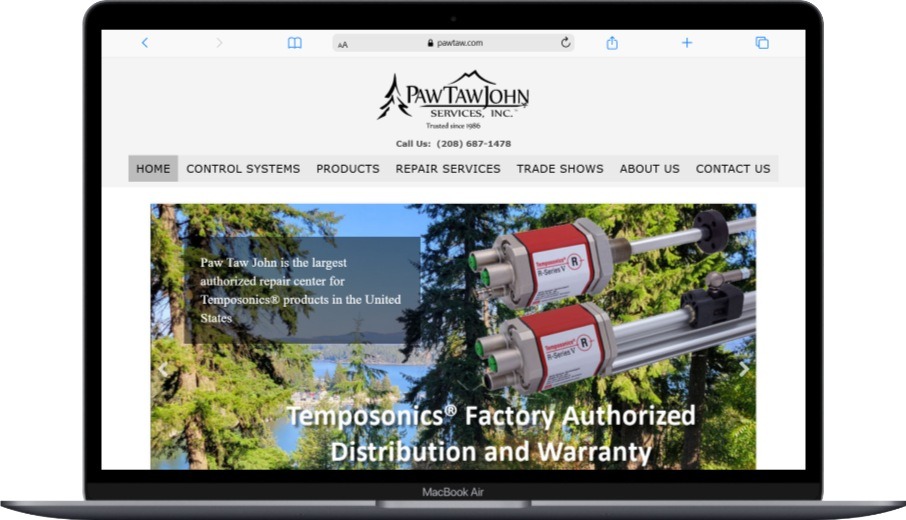
Pawtaw is a cloud-based forest management system that combines inventory tracking, harvest planning, and sustainability reporting in one integrated platform. Designed for forest managers, timber companies, and landowners, Pawtaw offers a balance of powerful features and accessibility that makes it suitable for operations of various sizes.
Key features of Pawtaw include:
- Forest inventory and stand management
- Harvest planning and scheduling
- Carbon accounting and sustainability reporting
- Financial analysis and budgeting tools
- Mobile data collection and mapping
- Collaboration tools for teams and stakeholders
Pawtaw operates on a subscription model with pricing tiers based on the number of users and features required. The software emphasizes ease of use, with a clean interface and guided workflows that help users quickly become productive without extensive training.
One of Pawtaw’s strengths is its sustainability reporting capabilities, which help users track carbon sequestration, biodiversity metrics, and other environmental indicators. This makes it particularly valuable for organizations seeking forest certification or needing to report on ESG (Environmental, Social, and Governance) criteria. This focus on sustainability highlights how technology can transform environmental conservation.
4. Logger’s Edge

Logger’s Edge is a specialized forestry software solution focused on logging operations, timber procurement, and supply chain management. Developed by American Loggers Council, this software addresses the specific needs of logging contractors, timber procurement managers, and forest product companies.
Key features of Logger’s Edge include:
- Load tracking and ticket management
- Settlement and payment processing
- Equipment utilization monitoring
- Production analysis and reporting
- Compliance documentation
- Cost analysis and profitability tools
Logger’s Edge offers pricing based on the number of users and the volume of data processed, with special rates available for members of the American Loggers Council. The software is particularly strong in its financial management capabilities, helping logging businesses optimize their operations and improve profitability. It functions much like specialized accounting software for small businesses, but tailored for the logging industry.
The software’s ticketing system streamlines the process of tracking timber from harvest to delivery, reducing paperwork and minimizing errors. It also provides detailed production analytics that help identify bottlenecks, improve equipment utilization, and optimize logistics.
5. Forestree

Forestree is an innovative forestry software platform that leverages artificial intelligence and satellite imagery to provide forest monitoring and management insights. This cloud-based solution is designed for forest managers, conservation organizations, and landowners who need to monitor large forest areas efficiently.
Key features of Forestree include:
- Satellite-based forest monitoring
- AI-powered tree species identification
- Health and growth analysis
- Deforestation and illegal logging detection
- Carbon sequestration tracking
- Fire risk assessment
Forestree operates on a subscription model with pricing based on the area monitored and the frequency of analysis. The software’s use of satellite imagery and AI technology allows it to monitor forests remotely, reducing the need for frequent field visits while still providing detailed insights.
One of the unique aspects of Forestree is its ability to detect changes in forest conditions over time, alerting managers to potential issues like disease outbreaks, pest infestations, or illegal logging activities. This early warning system enables proactive management interventions that can prevent more significant damage.
6. TRACT

TRACT (Timber Resource Analysis and Cutting Tools) is a comprehensive forestry software solution that combines inventory management, harvest planning, and financial analysis in one integrated system. Developed by forest industry professionals, TRACT is designed for timber companies, consultants, and land management agencies.
Key features of TRACT include:
- Forest inventory and stand analysis
- Harvest planning and scheduling
- Financial modeling and profitability analysis
- Road design and maintenance planning
- GIS mapping and spatial analysis
- Growth and yield modeling
TRACT offers a flexible pricing structure based on the specific modules selected and the scale of operations. The software is particularly strong in its financial analysis capabilities, helping users evaluate the economic implications of different management scenarios and harvest schedules.
One of TRACT’s standout features is its optimization algorithms, which can help determine the most efficient harvest patterns that maximize profitability while meeting sustainability constraints. The software also excels in its road planning tools, which help minimize the environmental impact of forest access routes while reducing construction and maintenance costs.
7. Waldo Logs
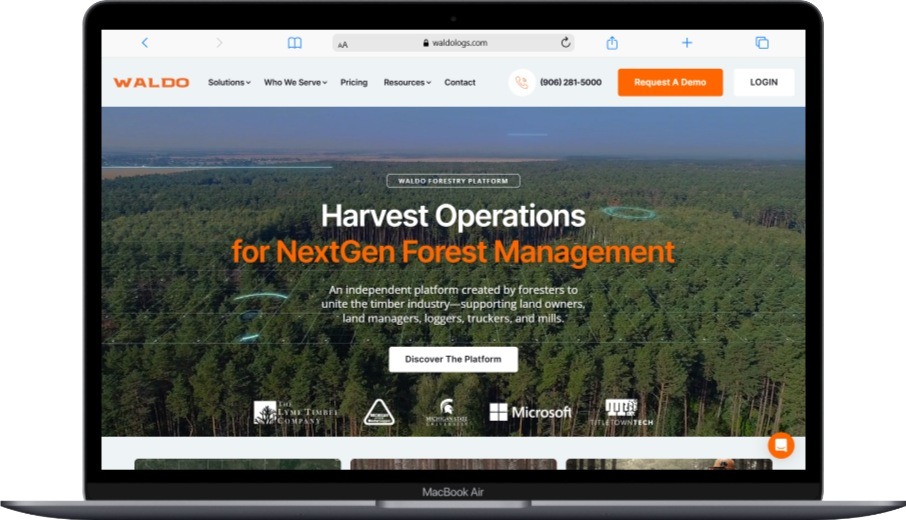
Waldo Logs is a forest management software designed to be simple yet powerful, catering to landowners, foresters, and logging professionals. It aims to provide an all-in-one platform that is easy to learn and use, making it a great choice for those who want comprehensive features without a steep learning curve.
Key features of Waldo Logs include:
- Inventory Management
- Harvest Planning and Scheduling
- Mapping and GIS Integration
- Financial Tracking and Analysis
- Mobile Data Collection (iOS and Android)
- Custom Reporting
Waldo Logs aims to simplify pricing with a straightforward, all-in-one subscription model, which is appealing for users who want predictable costs without complex tiered structures. The software is cloud-based, meaning you can access your data from anywhere with an internet connection, and its mobile app allows for seamless data collection in the field.
One of the main draws of Waldo Logs is its focus on user-friendliness without sacrificing essential features. It combines inventory, planning, mapping, and financials into a single, cohesive platform, making it a strong choice for those who want an all-in-one solution that is easy to learn and use. For managing the financial side of a forestry operation, it can be as useful as specialized accounting software for small businesses, but tailored specifically for the forestry industry.
8. Woodlands Manager

Woodlands Manager is a comprehensive forestry software solution designed for timber companies, forest product manufacturers, and large landowners who need to manage complex forest operations. This integrated platform combines inventory management, harvest planning, and supply chain coordination in one system.
Key features of Woodlands Manager include:
- Forest inventory and stand management
- Harvest planning and scheduling
- Supply chain tracking and optimization
- Financial analysis and budgeting
- Compliance reporting and documentation
- GIS mapping and spatial analysis
Woodlands Manager operates on an enterprise pricing model based on the scale of operations and specific modules required. The software is particularly strong in its supply chain management capabilities, helping coordinate the flow of timber from forest to mill while optimizing logistics and minimizing costs.
One of the standout features of Woodlands Manager is its integration capabilities, connecting seamlessly with ERP systems, mill management software, and transportation logistics tools. This end-to-end visibility helps timber companies optimize their entire value chain, from forest management to final product delivery.
9. TIMMS Anywhere

TIMMS Anywhere, which stands for Timber Inventory and Management Mapping System, is a comprehensive cloud-based software for forest management. It is designed for a wide range of users, from private landowners and consultants to professional foresters and appraisers, providing a complete set of tools for managing forest assets.
Key features of TIMMS Anywhere include:
- Forest inventory and cruise data collection
- Harvest planning and scheduling
- Mapping and GIS integration
- Financial analysis and timber appraisal
- Growth and yield modeling
- Photo management for documenting forest conditions
- Custom reporting tools
TIMMS Anywhere operates on a subscription model, giving users access to the full suite of tools through a web browser and a mobile app for both iOS and Android devices. The “Anywhere” in its name highlights its cloud-based nature, allowing you to access your forest data from the office, the field, or home.
One of the standout features of TIMMS Anywhere is its all-in-one approach. It combines inventory, mapping, financial analysis, and planning into a single, integrated system. This eliminates the need to switch between different programs and ensures that all your forest data is connected and up-to-date. Its financial and appraisal tools are particularly useful for landowners who need to understand the value of their timber assets, much like specialized accounting software helps businesses track their financial health.
10. EOSDA Forest Monitoring
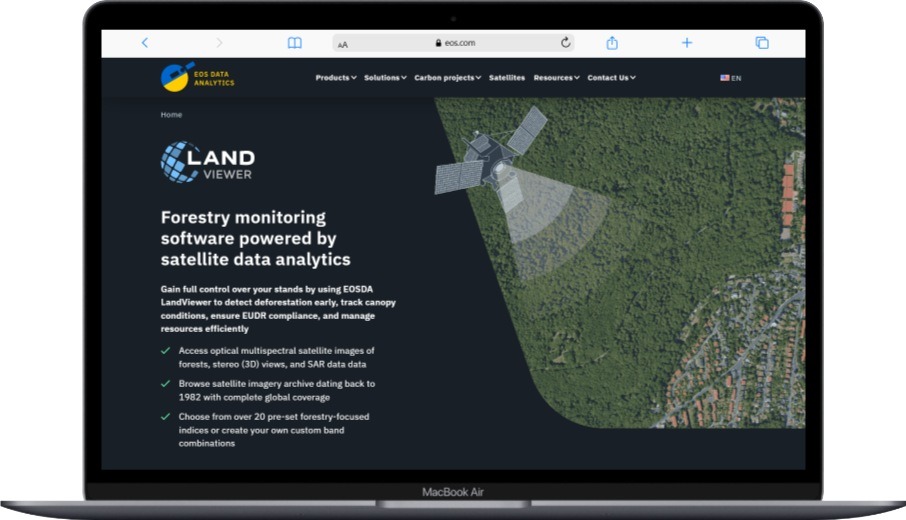
EOSDA Forest Monitoring is a satellite-based forestry software solution that provides remote sensing capabilities for forest management, monitoring, and protection. This innovative platform leverages satellite imagery and AI algorithms to deliver insights about forest health, growth, and changes over time.
Key features of EOSDA Forest Monitoring include:
- Satellite-based forest health monitoring
- Deforestation and illegal logging detection
- Fire risk assessment and monitoring
- Growth analysis and productivity tracking
- Carbon sequestration measurement
- Weather and climate impact analysis
EOSDA Forest Monitoring operates on a subscription model with pricing based on the area monitored and the frequency of analysis. The software is particularly valuable for monitoring large, remote forest areas where regular ground surveys would be impractical or cost-prohibitive.
One of the standout features of EOSDA Forest Monitoring is its ability to detect subtle changes in forest conditions that might indicate stress, disease, or pest infestations. This early warning system enables forest managers to take proactive measures before problems become severe, potentially saving significant resources and preventing widespread damage.
How Does Forestry Software Integrate with Other Business Systems?
Forestry software integration with other business systems is essential for creating seamless data flow and eliminating redundant data entry across an organization. Modern forestry solutions typically offer various integration options, including direct APIs, file-based imports/exports, and middleware connectors that bridge different systems.
The most common integrations for forestry software include:
- ERP Systems: Enterprise Resource Planning systems like SAP, Oracle, or industry-specific solutions handle financial management, procurement, and human resources. Integration with forestry software ensures that forest operations data flows seamlessly into financial reports and budgeting processes. Understanding what ERP software is used for is key to appreciating this integration.
- GIS Platforms: Geographic Information System software like ArcGIS or QGIS provides advanced spatial analysis capabilities. Forestry software often integrates with these platforms to leverage specialized mapping and spatial analysis tools while maintaining forest-specific data structures.
- Mobile Devices: Integration with smartphones, tablets, and rugged field computers enables data collection in remote forest areas. This integration typically involves synchronization capabilities that work even with intermittent connectivity.
- Accounting Software: Integration with accounting systems ensures that forest operations data, such as harvest volumes and costs, flows directly into financial records without manual reentry. This is similar to how accounting software for nonprofits integrates with their specific donor and fund management needs.
- Supply Chain Systems: For timber companies, integration with supply chain and logistics systems helps coordinate the movement of timber from forest to mill, optimizing transportation and reducing costs.
The integration capabilities of forestry software significantly enhance its value by connecting forest management data with broader business processes. For example, when harvest data from forestry software flows directly into an ERP system, it enables more accurate financial forecasting and better resource allocation. Similarly, integration with GIS platforms allows forest managers to combine operational data with advanced spatial analysis, leading to better-informed decisions about harvest planning and conservation activities.
When evaluating forestry software, consider the integration options available and how they align with your existing technology infrastructure. Some solutions offer pre-built connectors for common business systems, while others may require custom development to achieve the desired level of integration.
What Are the Emerging Trends in Forestry Software Technology?
Forestry software technology is rapidly evolving, with several emerging trends reshaping how forest resources are managed and monitored. These technological advances are driven by increasing demands for sustainability, efficiency, and data-driven decision-making in forest management.
Key emerging trends in forestry software include:
- Artificial Intelligence and Machine Learning: AI algorithms are increasingly being used to analyze satellite imagery, predict forest growth, detect illegal logging, and optimize harvest schedules. Machine learning models can identify patterns in forest data that humans might miss, leading to more accurate predictions and better management decisions. This is part of the larger trend where generative AI powers up process automation.
- Remote Sensing and Satellite Technology: Advances in satellite imagery, including higher resolution and more frequent coverage, enable more detailed and timely forest monitoring. Some forestry software now incorporates real-time satellite data to detect changes in forest conditions, such as illegal logging, disease outbreaks, or fire damage.
- Internet of Things (IoT) Sensors: IoT devices deployed in forests can collect data on soil moisture, temperature, tree growth, and other environmental factors. This data feeds into forestry software systems, providing more granular information about forest conditions without requiring frequent field visits.
- Drone Technology: Drones equipped with specialized sensors can capture high-resolution imagery, LiDAR data, and multispectral information about forest conditions. Forestry software increasingly incorporates tools to process and analyze this drone-collected data, enabling more detailed inventory and monitoring.
- Blockchain for Supply Chain Transparency: Some forestry software solutions are beginning to incorporate blockchain technology to create tamper-proof records of timber movement from forest to end-user. This enhances traceability and helps verify claims about sustainable sourcing.
- Cloud Computing and SaaS Models: The shift to cloud-based Software as a Service (SaaS) models continues, making forestry software more accessible to smaller operations while providing the scalability needed by large enterprises. Cloud solutions also facilitate collaboration among distributed teams and enable real-time data access.
- Mobile-First Design: As field crews increasingly rely on smartphones and tablets, forestry software is being designed with mobile-first approaches, ensuring that field functionality is robust and user-friendly even in areas with limited connectivity.
- Advanced Analytics and Visualization: Modern forestry software incorporates more sophisticated data visualization tools and predictive analytics, helping forest managers understand complex relationships and forecast future conditions more accurately.
These emerging trends are making forestry software more powerful, accessible, and valuable for a wider range of users. As technology continues to advance, we can expect forestry software to become even more integrated with other systems, more automated in its analysis capabilities, and more essential for sustainable forest management.
Conclusion
The best forestry software solutions combine powerful functionality with user-friendly interfaces to help forest managers, timber companies, and landowners optimize their operations while supporting sustainable practices. The 10 software solutions highlighted in this article represent the leading options in 2025, each with unique strengths suited to different types of forestry operations.
When selecting forestry software, consider your specific needs, budget, and technical capabilities. Small landowners might prefer user-friendly options like Forest Metrix, while large timber companies may require comprehensive solutions like Trimble Forestry or Woodlands Manager. Organizations focused on sustainability reporting might find Silvia particularly valuable, while those needing remote monitoring capabilities should consider EOSDA Forest Monitoring or Forestree.
Regardless of which solution you choose, implementing forestry software can significantly improve your forest management practices. These tools help increase operational efficiency, reduce costs, ensure regulatory compliance, and support sustainable forest management. As technology continues to advance, forestry software will become even more essential for managing forest resources in an increasingly complex environmental and economic landscape.
You May Also Like
 Software
9 Best Free Laser Engraver Software Tools in 2026
 Software
When Fixing Bugs Is No Longer Enough: How to Rescue a Failing Software Project
 SaaS
SaaSNotion vs Coda vs ClickUp for Teams: A Field Report From 18 Months
 SaaS
SaaSTrello vs monday.com vs ClickUp: Which Project Management Tool Fits Your Team in 2026?
 SaaS
SaaS8 Best Asana Alternatives in 2026: Free Tools, Top Competitors, and How to Choose
 Software
What is Asana Software? How Businesses Use It for Project Management and Team Collaboration
 Software
10 Best Audio Redaction Software in 2026 (Tested Picks by Use Case)
 SaaS
SaaS10 Best AI Audio Enhancers for Podcasts in 2026 (Reviewed & Compared)
 Software