


360 feedback software changes how companies get insights into employee performance. It uses feedback from managers, peers, direct reports, and sometimes customers. This gives a full view of what employees do well and what they need to work on.
Today’s 360 feedback tools are more than just surveys. They use advanced analytics and are easy to use on phones. This makes it easier to collect and understand feedback. Companies find their teams work better together and leaders improve more than with old methods.
These tools do more than just review performance. They help with training, planning for the future, and making workplaces better. They offer features like anonymous feedback and real-time reports. This helps HR teams make smart choices about growing employees and the company.
What Makes 360 Feedback Software Essential for Modern Workplaces?
360 feedback software fixes big problems with old ways of managing performance. It gives a full picture of how well someone is doing. This makes feedback more accurate and fair.
Enhanced Employee Development Through Multiple Perspectives
Traditional reviews often only look at what managers see. 360 feedback software gets feedback from many employee. This shows how well someone works with others and how they lead.
This way of getting feedback spots skills that might be missed. It gives a clear picture of what someone is good at and what they need to get better at. This helps plan for growth and career paths.
Building Trust Through Anonymous Feedback Collection
Being able to give feedback without being named is key. 360 feedback tools keep who gave feedback a secret. This lets people share honest thoughts without fear.
With anonymous feedback, people are more likely to give real opinions. This leads to better feedback and improvements in the workplace. It also helps build stronger relationships among colleagues.
Top 12 Best 360 Feedback Software Solutions for 2025
1. Lattice – Best for Enterprise Performance Management

Lattice is a top choice for managing performance in big companies. It blends old-school reviews with new, ongoing feedback. This is great for companies moving from yearly reviews to more frequent talks.
It has a 360 feedback tool that works well with setting goals and planning careers. This helps keep employees engaged and connected to the company’s goals.
Lattice focuses on linking individual performance to company goals. It uses analytics to spot trends across teams. This helps HR leaders fix problems before they get big.
It lets companies measure what’s important to them. This makes feedback meaningful and relevant.
The design of Lattice makes it easy for everyone to use. It encourages honest feedback. Managers like the automated workflows that make gathering feedback easy.
Best For: Large organizations seeking a full performance management system with 360 reviews.
Top Features:
- Advanced analytics and performance tracking
- Customizable competency frameworks
- Integration with major HRIS platforms
- Real-time feedback and continuous performance monitoring
- Goal setting and OKR alignment
Pros:
- Excellent scalability for growing organizations
- Strong reporting and analytics capabilities
- User-friendly interface with high adoption rates
- Comprehensive performance management suite
Cons:
- Higher pricing may not suit small businesses
- Learning curve for complex features
- Limited offline functionality
Pricing: Starts at $10 per seat/per month for talent Management $11 per seat/per month
Live Link: Lattice Performance Management
2. Culture Amp – Best for Employee Engagement Integration

Culture Amp is known for its research-based approach to feedback and engagement. Their 360 feedback tools are based on psychology, ensuring they predict performance and needs. This makes them different from generic feedback tools.
The platform connects individual feedback with the health of the organization. Combining 360 reviews with engagement data gives insights into leadership’s impact on morale and productivity. It also lets companies compare their results with others in their industry.
Culture Amp turns feedback into plans for growth. It doesn’t just collect data; it offers specific ways to improve based on research. It shows which leadership behaviors boost team performance, helping focus development efforts.
Best For: Organizations wanting to link 360 feedback with employee engagement insights.
Top Features:
- Research-backed survey templates
- Advanced analytics and benchmarking
- Employee engagement pulse surveys
- Leadership development tracking
- Predictive analytics for retention
Pros:
- Strong focus on employee experience
- Excellent benchmarking against industry standards
- Comprehensive reporting dashboards
- Expert-designed survey questions
Cons:
- Custom pricing may be expensive for smaller teams
- Implementation requires significant setup time
- Advanced features need training
Pricing: Custom pricing starting around $9-14 per employee per month. For enterprise-level plans, pricing jumps to $118 to $122 per user, reflecting more advanced features and support
Live Link: Culture Amp Platform
3. BambooHR – Best for Small to Medium Businesses

BambooHR is a top choice for small and medium businesses. It offers simplicity without losing functionality. The 360 feedback module is part of their full HR platform.
This means employee data moves smoothly between reviews, goal tracking, and planning. It avoids the data silos common in using many point solutions.
The platform makes 360 feedback easy for everyone. Setting up reviews takes just minutes. The automated peer selection process makes sure everyone gets feedback.
It’s also mobile-friendly, so employees can give feedback anytime. This makes it easy to get feedback during breaks or commutes.
BambooHR knows small businesses often don’t have a lot of HR staff. They offer pre-built templates and automated workflows. This saves time and lets companies customize as needed.
Their pricing is clear and easy to plan for. This makes budgeting simpler for growing companies.
Best For: SMBs looking for integrated HR software with 360 feedback capabilities
Top Features:
- Automated peer reviewer selection
- Customizable review templates
- Mobile-friendly interface
- Integration with payroll and benefits
- Employee self-service portal
Pros:
- Affordable pricing for small businesses
- Easy setup and implementation
- Comprehensive HR functionality
- Strong customer support
Cons:
- Limited advanced analytics compared to enterprise solutions
- Fewer customization options for large organizations
- Basic reporting capabilities
Pricing: BambooHR works on a subscription model, and the price depends on how many employees you have and which features you want.
Live Link: BambooHR Performance Management
4. 15Five – Best for Continuous Performance Management

15Five has changed how we think about performance management. It focuses on continuous feedback and development, not just annual reviews. Their 360 feedback features support this ongoing dialogue.
The software makes feedback feel natural and easy, not formal or scary. Weekly check-ins build trust and communication. This makes 360 reviews more meaningful and productive.
15Five uses AI to spot trends and patterns in feedback. It can alert managers to issues early and suggest coaching. This proactive approach helps prevent problems and spot talent.
Best For: Teams that value regular check-ins and continuous feedback
Top Features:
- Weekly check-in automation
- Peer nomination system
- AI-powered insights and recommendations
- Goal tracking and OKR management
- Manager effectiveness coaching
Pros:
- Focus on regular feedback cycles
- Strong manager coaching features
- AI-driven performance insights
- User-friendly mobile app
Cons:
- It may feel overwhelming for teams preferring less frequent feedback
- Limited enterprise-level features
- Pricing increases with advanced features
Pricing: Starts at $4 – $16 per user per month
Live Link: 15Five Performance Management
5. Qualtrics Employee Experience – Best for Advanced Analytics

Qualtrics is top for big companies needing deep analytics and custom options. It uses market research and customer experience to understand employee feedback. This helps predict how well employees will do.
Their survey design is unmatched. You can make complex surveys, randomize questions, and control data quality. This is great for big companies looking into leadership or validating skills.
Qualtrics turns feedback into useful insights. It finds links between feedback and business results. You can link feedback to things like sales or customer happiness.
Best For: Large companies wanting detailed feedback analysis and research tools
Top Features:
- Advanced statistical analysis tools
- Custom survey design capabilities
- Multi-language support
- Predictive analytics
- Integration with business intelligence tools
Pros:
- Powerful analytics and reporting
- Highly customizable survey options
- Strong data security and compliance
- Global scalability
Cons:
- Complex setup needing technical expertise
- Higher learning curve for users
- Premium pricing for advanced features
Pricing: Custom enterprise pricing (Request Pricing)
Live Link: Qualtrics Employee Experience
6. SurveyMonkey Enterprise – Best for Survey Flexibility

SurveyMonkey Enterprise offers flexible 360 feedback solutions. It’s not just for HR, but its survey tools are great for customization. This makes it a good choice for those who want control over feedback.
Its biggest plus is its flexibility and ease of use. HR teams can make complex surveys easily. The platform also lets you brand surveys and customize the user experience.
It’s great for global companies because it supports many languages. It can handle complex surveys for different regions or roles. You can also export data to other HR systems and tools.
Best For: Companies needing customizable survey solutions
Top Features:
- Drag-and-drop survey builder
- Advanced question types and logic
- Real-time response tracking
- Data export and integration options
- Mobile-optimized surveys
- Quickly build custom surveys and forms
- SurveyMonkey’s AI helps you make better surveys, collect high-quality responses, and find insights quickly.
Pros:
- Extremely flexible survey design
- Strong brand recognition and trust
- Affordable pricing options
- Easy-to-use interface
Cons:
- Limited HR-specific features
- Basic analytics compared to specialized tools
- Requires manual setup for 360 processes
Pricing: Basic (Free): Limited to 10 questions per survey and 25 responses per survey. Suitable for personal use or testing the platform. Standard Monthly: $99/month, includes unlimited questions and up to 1,000 responses per month. Advantage Annual: $39/month (billed annually, $468/year), includes advanced features like skip logic, mobile app surveys, and up to 15,000 responses per year. Premier Annual: $119/month (billed annually, $1,428/year), provides advanced branding, analytics, and up to 40,000 responses per year. Includes features like advanced logic, piping, and multilingual surveys
Live Link: SurveyMonkey Enterprise
7. Workday Performance Management – Best for Enterprise Integration

Workday Performance Management is a top choice for big companies. It works well with Workday’s Human Capital Management (HCM) platform. This means it can use your company’s data and structure for 360 feedback.
This approach makes sure all HR processes are consistent. It avoids having to enter the same data twice.
The platform is great for big companies with complex structures. It supports different reporting lines and global setups. You can also tailor feedback to fit your company’s needs.
Workday connects performance data with other business metrics. This helps make better talent decisions. It uses analytics to find top employees and plan for the future.
Best For: Large organizations already using Workday HCM seeking integrated performance management
Top Features:
- Seamless integration with Workday ecosystem
- Advanced talent analytics
- Career development planning
- Succession planning tools
- Mobile workforce support
Pros:
- Comprehensive enterprise functionality
- Strong integration capabilities
- Robust security and compliance
- Global deployment support
Cons:
- Complex implementation process
- High total cost of ownership
- Requires Workday ecosystem for full value
Pricing: Custom enterprise pricing
Live Link: Workday Performance Management
8. SuccessFactors Performance & Goals – Best for SAP Environments

SAP SuccessFactors is perfect for SAP users. It offers 360 feedback and performance management. It’s built for big companies that need to integrate with SAP systems.
The 360 feedback module is part of SuccessFactors’ talent management. This means feedback can lead to real actions like career planning and learning. It’s all connected.
SuccessFactors is great for global companies. It handles different laws and reporting needs worldwide. It also helps find talent patterns and make smart workforce decisions.
Best For: Organizations using SAP systems requiring integrated talent management
Top Features:
- 360-degree feedback modules
- Competency management
- Career development planning
- Advanced analytics and reporting
- Global compliance support
Pros:
- Strong SAP integration
- Comprehensive talent management suite
- Global scalability and compliance
- Advanced analytics capabilities
Cons:
- Complex configuration requirements
- Higher implementation costs
- Learning curve for non-SAP users
Pricing: Custom enterprise pricing
Live Link: SuccessFactors Performance & Goals
9. Cornerstone OnDemand – Best for Learning Integration

Cornerstone OnDemand is known for linking performance management with learning. It’s perfect for companies that see 360 feedback as part of talent growth. The platform suggests learning content based on feedback, unlike just performance tools.
The 360 feedback in Cornerstone finds performance gaps and learning chances. When feedback shows areas for growth, it suggests courses or mentoring. This link between feedback and learning is key for improving performance.
Cornerstone’s AI gets better over time, learning from your company’s successes. It finds the best learning for feedback types, helping HR make smart choices. This makes development more effective.
Best For: Companies linking 360 feedback with learning and growth
Top Features:
- Integrated learning system
- Competency-based assessments
- Career paths
- AI recommendations
- Skills gap analysis
Pros:
- Focus on learning and growth
- Comprehensive talent suite
- AI insights
- Global deployment
Cons:
- Complex interface
- High implementation costs
- Needs a lot of training
Pricing: Custom for enterprises
Live Link: Cornerstone OnDemand
10. Rippling Performance Management – Best for All-in-One HR

Rippling has changed HR tech by creating a unified platform. It connects all employee data, making feedback impact other HR tasks like goals and pay. This integration is key to their approach.
Rippling automates workflows with employee data and rules. For example, it updates 360 feedback when roles or managers change. This saves time and keeps feedback relevant.
The platform’s design is modern and easy to use. It’s familiar to users of consumer apps, boosting participation. Its mobile design lets employees give feedback anywhere, anytime.
Best For: Growing companies needing an integrated HR platform
Top Features:
- Single data source
- Automated workflows
- Custom metrics
- Payroll integration
- Multi-channel feedback
Pros:
- Comprehensive HR integration
- User-friendly design
- Strong automation
- Competitive pricing
Cons:
- New in performance management
- Limited advanced analytics
- May need multiple modules
Pricing: Custom based on modules
Live Link: Rippling Performance Management
11. Lighthouse – Best for Manager Development

Lighthouse helps managers become better leaders through feedback and tools. It focuses on manager-employee relationships and team dynamics. This makes it great for improving leadership at all levels.
The platform gives managers tools for meaningful feedback conversations. It helps them use feedback to coach their team. This turns feedback into ongoing development chances.
Lighthouse is simple and easy to use. It doesn’t have too many features. This makes it great for small organizations without a lot of HR support.
Best For: Organizations focusing on manager effectiveness and leadership development
Top Features:
- Manager coaching tools
- Skip-level meeting templates
- Team effectiveness tracking
- Leadership development programs
- Manager training resources
Pros:
- Strong focus on manager development
- Practical coaching tools
- Easy implementation
- Affordable pricing for small teams
Cons:
- Limited enterprise features
- Basic reporting capabilities
- Fewer integration options
Pricing: Lighthouse Basic: $29 per manager per month, or $289 per year (includes two months free with annual billing). Lighthouse Pro: $500 per manager per year (available only with annual billing)
Live Link: Lighthouse Manager Tools
12. ThriveSparrow – Best for Small Business Recognition

ThriveSparrow combines 360 feedback with employee recognition and engagement tools. It focuses on positive reinforcement and development feedback. This is great for small organizations to keep morale high.
The platform uses gamification to make feedback fun and engaging. Employees can earn badges and points for feedback. This encourages participation and creates a positive culture.
ThriveSparrow makes 360 feedback a natural part of team communication. It integrates with popular tools and offers real-time feedback. This gives a full picture of employee performance and engagement.
Best For: Small businesses wanting automated recognition with 360 feedback
Top Features:
- Automated recognition systems
- Gamified feedback processes
- Customizable survey templates
- Real-time performance insights
- Employee engagement tracking
Pros:
- Affordable for small businesses
- Easy setup and implementation
- Strong recognition features
- Good customer support
Cons:
- Limited advanced analytics
- Fewer enterprise features
- Basic integration options
Pricing: Starts at $3 per employee per month.
Live Link: ThriveSparrow Platform
Essential Features to Look for in 360 Feedback Software
Anonymous Feedback Collection and Privacy Controls
Anonymous feedback is key for effective 360-degree assessments. Good software has strong privacy controls. These protect who gives feedback while keeping data safe.
Look for tools with settings for anonymity. This lets admins choose how much to share. It helps get honest feedback.
Advanced privacy features include access controls and encryption. These help build trust and follow data protection laws.
Customizable Competency Frameworks
Good 360 feedback software lets you create custom competencies. This matches your company’s values and standards. It starts with pre-built frameworks but lets you tailor them.
Choose platforms that support many competency models. This lets you give feedback that’s specific to each role. It helps in planning for growth and development.
Automated Workflow Management
Automated workflows make giving feedback easier. They handle picking reviewers and sending reminders. This saves time and keeps feedback consistent.
Look for software that suggests reviewers based on your company’s structure. This makes sure you get feedback from the right people. It also saves time for HR.
Real-Time Analytics and Reporting
Good reporting turns feedback into useful insights. Look for platforms with clear reports and dashboards. They should show trends and how feedback relates to business goals.
Advanced analytics include comparing to industry standards and predicting trends. These tools help make informed decisions about talent and planning for the future.
How to Choose the Right 360 Feedback Software for Your Organization
Assess Your Organization’s Specific Needs
First, figure out why you want 360 feedback. Goals vary from improving leadership to boosting employee engagement. Your needs will guide which features are most important.
Think about your company’s size, industry, and current HR tech. Small businesses might value simplicity and cost. Large ones might need more advanced tools.
Evaluate Integration Requirements
Integration with your HR systems is key for smooth data flow. Check how well the software works with your HRIS and other tools.
Look for platforms with easy integrations and APIs for custom connections. This reduces data silos and gives a complete view of your employees.
Consider User Experience and Adoption Factors
A user-friendly interface boosts participation and quality feedback. Check how the software looks and feels from different angles. Consider mobile access and ease of use.
Training and support are also vital. Choose platforms with good onboarding and customer support. This ensures a smooth start.
Budget Planning and Total Cost of Ownership
Look at both upfront and ongoing costs when choosing software. Prices vary, from monthly fees to big deals for big companies.
Include costs for setup, training, and any integration fees. Compare costs over time to find the best value.
Implementation Best Practices for 360 Feedback Software
Building Support and Communication Strategy
Strong support and clear communication are essential for success. Create a plan that addresses concerns and shows the benefits.
Leadership support is key. When leaders use the system, employees are more likely to participate fully.
Training and Support for Users
Good training is essential. It should cover both the technical and the why behind feedback. Train admins, managers, and employees on their roles.
Keep support going with resources and champions. They can help with questions and share best practices.
Setting Clear Expectations and Guidelines
Make sure everyone knows what’s expected in feedback and how to behave. Give examples of good feedback and what happens if it’s not. This keeps things professional and helpful.
Keep an eye on feedback quality and look for ways to get better. Use data to see how well people are doing and how to improve.
Industry-Specific Considerations for 360 Feedback Software
Healthcare Organizations
Healthcare needs special skills like patient care and following rules. Find software that fits these needs and keeps data safe.
Healthcare must protect patient info. Make sure the software you choose meets strict privacy rules like HIPAA.
Financial Services
Financial groups need strong security to keep data safe. Look for software with top-notch encryption and audit trails.
It’s key to check if the software can handle risk and ethics. Choose one that fits these important areas.
Technology Companies
Tech companies focus on innovation and teamwork. Find software that supports these values and gives quick feedback.
Connecting with tools like project management systems adds value. Look for software that works well with these tools.
Mobile and Cloud-Based 360 Feedback Solutions
Benefits of Mobile-First Platforms
Mobile access makes it easier for people to give feedback anytime. Everyone wants tools that work on their phones and tablets.
Reminders on phones help people remember to give feedback. Choose software with apps or websites that work great on mobile devices.
Cloud-Based Advantages
Cloud solutions save time and effort. They update automatically and keep data safe. This means you always have the latest features.
Cloud solutions grow with your business. They work well in different places and times.
Security Considerations for Cloud Solutions
When choosing cloud software, check its security. Look at certifications, encryption, and backups.
Global companies need to follow strict data rules. Make sure the software you pick meets these rules.
Measuring ROI and Success Metrics for 360 Feedback Programs
Key Performance Indicators
Look at how many people are participating and the quality of feedback. Check if people are finishing on time and giving detailed feedback.
See how well employees are doing over time. Track their career growth and skill improvement.
Business Impact Metrics
Good 360 feedback can keep employees happy and reduce turnover. Track these changes to show the program’s worth.
Check how well leaders are doing and if managers are happy. These metrics show the program’s impact on leadership.
Continuous Improvement Strategies
Always check and improve your program. Ask for feedback and make changes based on what you hear.
Compare your program to others to find ways to get better. Use this data to make your program even stronger.
Future Trends in 360 Feedback Software Technology
Artificial Intelligence and Machine Learning Integration
AI is changing how we use 360 feedback. It finds patterns and helps predict how people will do. It also suggests ways to improve.
AI can understand written feedback better. It finds themes and feelings in what people write. This gives deeper insights into what employees need.
Real-Time Feedback and Continuous Performance Management
Feedback is now a continuous process, not just an annual event. Modern tools help collect feedback and track performance in real-time.
These tools work with other apps to give feedback that’s relevant to specific projects. This makes feedback more useful and timely.
Predictive Analytics for Talent Development
Modern tools can predict who will do well in the future. This helps in planning for the future and choosing the right people for key roles.
AI helps suggest learning paths based on feedback and career goals. This makes development plans more personal and effective.
Common Challenges and Solutions in 360 Feedback Implementation
Overcoming Resistance to Change
Getting employees to accept new feedback systems can be tough. Be open about how it will help and how their data is protected.
Start small to build trust. Use success stories to show the value of the new system.
Ensuring Feedback Quality and Constructiveness
Teach employees how to give good feedback. Provide examples and resources to help them.
Use tools to check feedback quality and guide users. This keeps feedback professional and useful.
Managing Data Privacy and Confidentiality Concerns
Be clear about how feedback data is used. This builds trust with employees.
Use strong security and follow rules to protect data. Regular checks keep information safe.
Frequently Asked Questions
Is 360 feedback software suitable for small businesses?
Yes. Small businesses can really benefit from 360 feedback software. Tools like BambooHR and ThriveSparrow are affordable and help with employee growth.
How often should organizations conduct 360 feedback reviews?
Annually or bi-annually for a full review. Most do it once or twice a year. Some do it more often for leadership development.
Can 360 feedback software integrate with existing HR systems?
Yes. Most platforms can connect with HR systems. This makes managing data easier and more efficient.
What is the typical cost of 360 feedback software?
$5-15 per employee per month for most solutions. Prices vary based on features and size. Small businesses start at $5, while big companies pay more.
How do you ensure anonymous feedback remains truly anonymous?
Through strong privacy controls and rules. Good platforms protect identities with encryption and access controls. They make sure no one can be identified.
Is mobile access important for 360 feedback software?
Yes. Being able to use feedback tools on phones and tablets is key. It makes it easier for people to give feedback anytime, anywhere.
Can 360 feedback software help with succession planning?
Yes. It gives insights into who might be ready for leadership roles. This helps in planning for the future and choosing the right people.
What training is required for 360 feedback software implementation?
Basic training for users and detailed training for administrators. Users need 1-2 hours to learn how to give good feedback and use the software. Administrators need more training on setting up, managing, and configuring the feedback system.
How long does it take to implement 360 feedback software?
2-8 weeks for most implementations. Simple platforms can be set up in 2-4 weeks. More complex systems might take 6-8 weeks for setup, customization, and training. The time needed depends on the size of the organization, how much customization is needed, and how smoothly the transition goes.
What security measures should 360 feedback software include?
Data encryption, access controls, and audit trails are essential. Good platforms offer end-to-end encryption, role-based permissions, and secure data storage. They also have detailed audit logs. More advanced features include single sign-on and compliance with data protection laws.
Conclusion
360 feedback software is key for modern performance management and employee growth. The best platforms are easy to use but also offer deep analytics. They help organizations gather, analyze, and use feedback better.
Choosing the right 360 feedback software is critical for success. Look at ease of use, integration, security, and cost. Investing in quality software leads to better employee engagement, leadership development, and overall performance.
For a smooth implementation, plan well, communicate clearly, and offer ongoing support. Organizations that invest in training and refine their feedback processes see the best results. As technology advances, we’ll see more features like AI insights and predictive analytics in 360 feedback software.
The future of employee development is in detailed, multi-perspective feedback. 360 feedback software makes this vision available to all organizations. It democratizes access to tools that help both individuals and organizations grow.
You May Also Like
 Cloud Computing
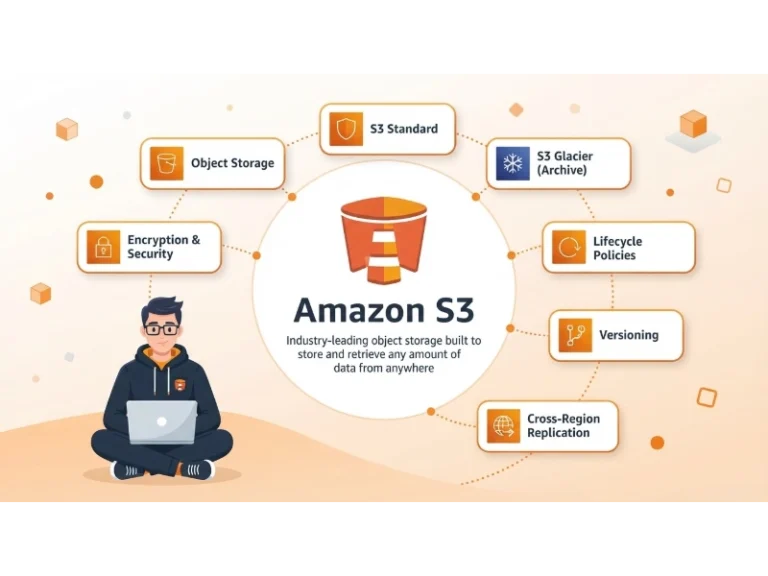
8 Best AWS S3 Alternatives Compared: Pricing, Egress, and S3 Compatibility
 SaaS
SaaSWhat is Confluence Used For In Project Management?
 SaaS
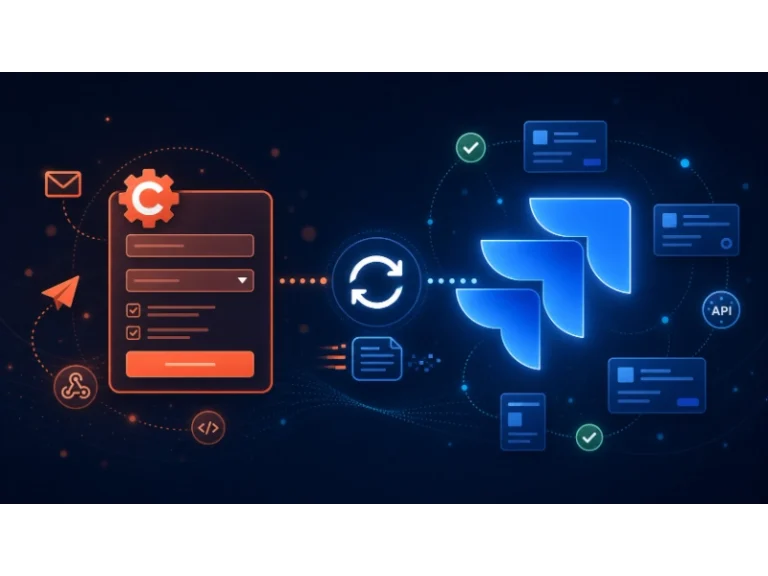
SaaSCognito Forms to Jira Software Cloud Integration: Setup, Automation, Field Mapping, and Best Practices
 Web Development
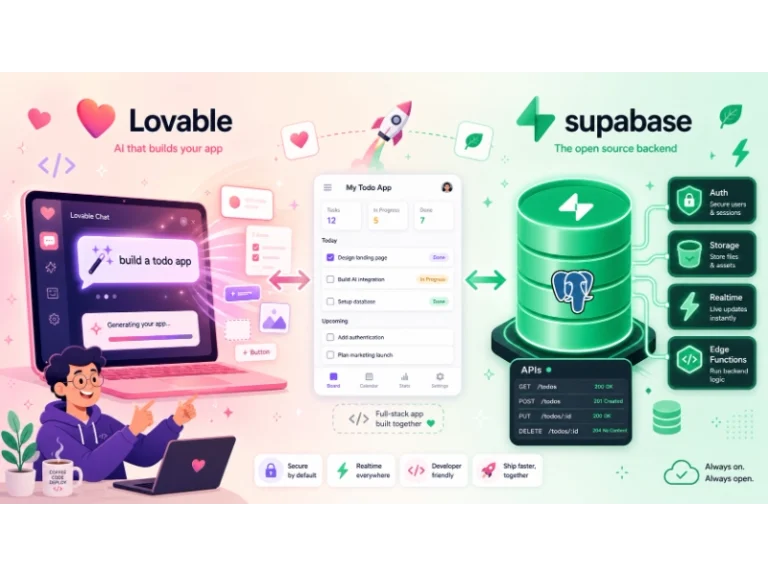
Building Apps with Lovable and Supabase: A Step-by-Step Guide
 Web Development
Heroku vs. Netlify (2026): Pricing, Features, and Best Uses
 Software
9 Best Free Laser Engraver Software Tools in 2026
 Web Development
Supabase vs Firebase: Which Backend Platform is Right for Your Project?
 Software
When Fixing Bugs Is No Longer Enough: How to Rescue a Failing Software Project
 Web Development