


Odoo software is a comprehensive business management platform that integrates multiple applications into a single system for managing various business operations. This open-source enterprise resource planning (ERP) solution serves businesses of all sizes by combining customer relationship management (CRM), accounting, inventory management, human resources, and e-commerce functionalities. Odoo software provides companies with a unified platform to streamline operations, reduce costs, and improve efficiency across departments.
The Odoo ERP software operates on a modular architecture, allowing businesses to select and implement only the applications they need while maintaining the flexibility to add more modules as they grow. This approach makes Odoo particularly attractive for small businesses that need basic functionality initially but want the option to expand their system capabilities over time. The platform serves over 12 million users worldwide across various industries like manufacturing, retail, services, wholesale, and distribution.
Odoo business management software stands out in the market due to its unique combination of open-source accessibility and enterprise-grade functionality. Unlike traditional ERP systems that require significant upfront investments, Odoo offers both community and enterprise versions, making sophisticated business management tools accessible to organizations with varying budgets and technical requirements. The software’s intuitive interface and extensive customization options enable businesses to adapt the system to their specific workflows and industry needs.
What is Odoo Software?
Odoo software is an integrated suite of business applications designed to manage and automate various organizational processes. The platform originated as an open-source project and has evolved into a comprehensive business management solution that competes with established ERP vendors like SAP, Oracle, and Microsoft Dynamics. Odoo’s architecture allows seamless data flow between different business functions, eliminating information silos and improving decision-making capabilities.
Core Architecture and Design
The Odoo platform, built on the Python programming language and PostgreSQL database, provides robust performance and scalability. The modular design enables businesses to start with essential applications and gradually expand their system as operational needs grow. Each Odoo module integrates seamlessly with others, ensuring consistent data across all business processes.
The software operates through web-based interfaces accessible from any device with internet connectivity. This cloud-based approach eliminates the need for complex on-premises infrastructure while providing real-time access to business information from anywhere. Mobile applications extend functionality to field workers and remote employees.
Primary Uses of Odoo ERP Software
Odoo ERP software serves as the central nervous system for business operations, connecting various departments and processes through integrated applications. The platform’s primary function involves eliminating data silos by creating a unified database that all business functions can access and update in real-time.
Business Process Integration
The software integrates sales, purchasing, inventory, accounting, and customer service processes into cohesive workflows. When a sales order gets created, the system automatically updates inventory levels, generates purchase orders for required materials, creates accounting entries, and schedules delivery activities. This integration reduces manual work, minimizes errors, and accelerates business processes.
Odoo ERP software provides real-time visibility into business performance through integrated reporting and analytics. Management teams can access current information about sales performance, inventory levels, financial position, and operational efficiency without waiting for monthly reports or manual data compilation.
Odoo CRM Software: Customer Relationship Management
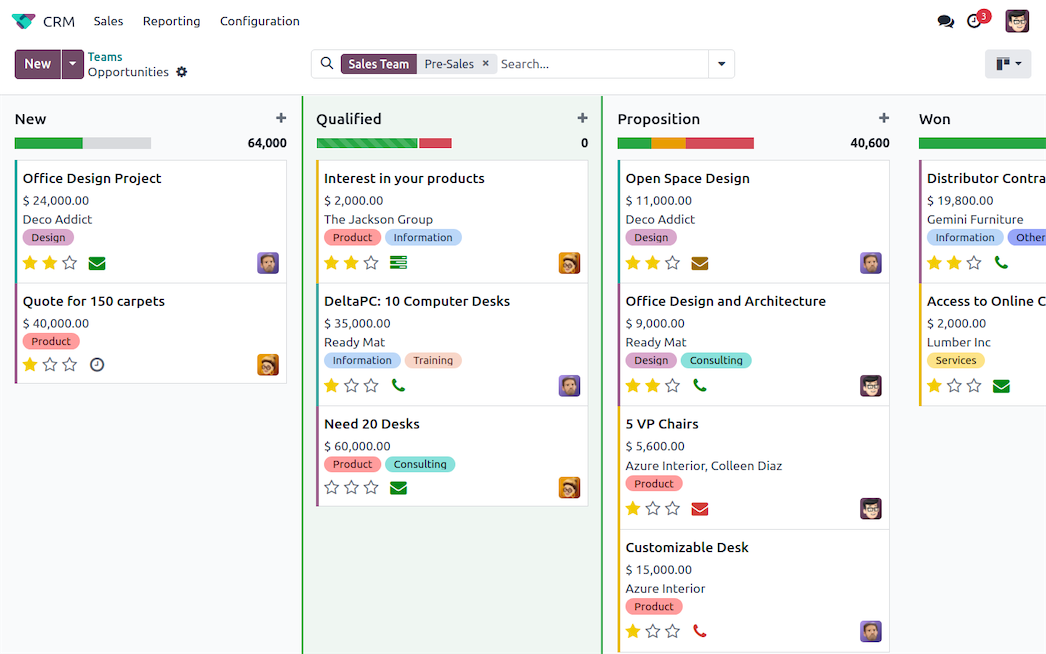
Odoo CRM software transforms how businesses manage customer relationships by providing comprehensive tools for lead management, sales pipeline tracking, and customer communication. The system captures leads from multiple sources including websites, social media, email campaigns, and manual entry, then guides them through automated nurturing processes.
Lead Management and Sales Pipeline
The CRM module tracks every customer interaction from initial contact through deal closure and ongoing relationship management. Sales teams can view complete customer histories, track communication logs, schedule follow-up activities, and monitor deal progress through customizable sales stages. Automated workflows ensure no leads fall through cracks while providing consistent customer experiences.
Sales managers gain visibility into team performance through pipeline analytics, conversion rate tracking, and revenue forecasting. The system generates reports on individual and team performance, helping identify successful strategies and areas needing improvement. Integration with email systems enables seamless communication tracking and automated follow-up sequences.
Customer Service Integration
The CRM integrates with helpdesk and support ticketing systems to provide complete customer service histories. Support representatives can access customer purchase histories, previous support interactions, and account information in single interfaces. This integration enables personalized service and faster issue resolution.
Odoo Accounting Software: Financial Management
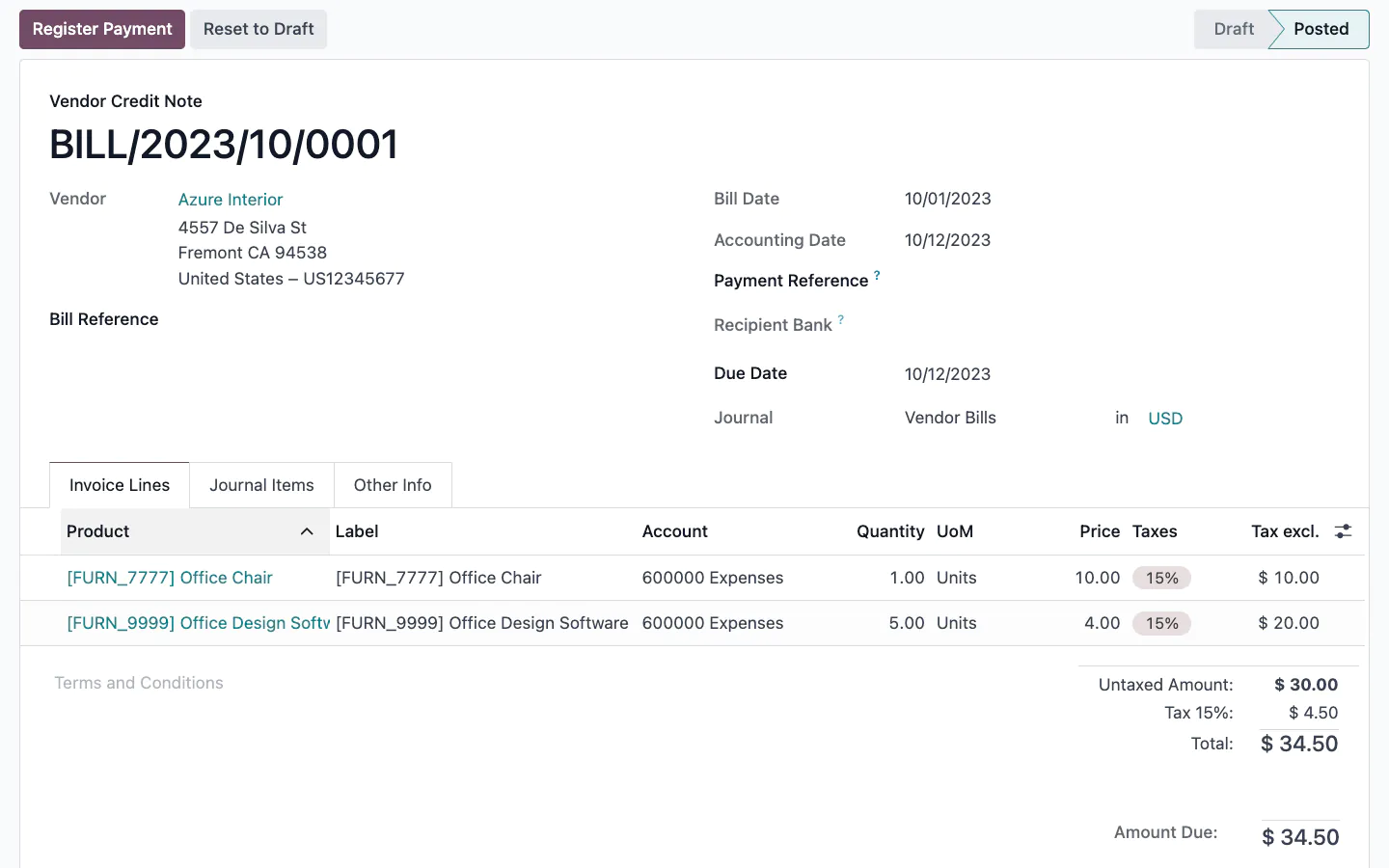
Odoo accounting software provides comprehensive financial management capabilities including general ledger, accounts payable, accounts receivable, and financial reporting. The system automatically generates accounting entries from business transactions, reducing manual bookkeeping work and minimizing errors.
Automated Financial Processes
The accounting module integrates with sales, purchasing, and inventory modules to create automatic journal entries for all business transactions. When invoices get generated, payments get processed, or inventory moves occur, the system creates appropriate accounting entries without manual intervention. This automation ensures accurate financial records and reduces accounting workload.
Multi-currency support enables businesses operating internationally to manage transactions in various currencies with automatic exchange rate updates. The system handles currency conversions, tracks exchange rate gains and losses, and provides financial reports in multiple currencies.
Financial Reporting and Compliance
Odoo accounting software generates standard financial statements comprising profit and loss statements, balance sheets, and cash flow statements. The system supports various accounting standards and can be configured for specific country requirements and regulations. Automated tax calculations and reporting features help ensure compliance with local tax laws.
Real-time financial dashboards provide management with current views of financial performance, cash flow, and key financial metrics. Custom reports can be created to meet specific business intelligence needs and regulatory requirements.
Odoo Inventory Management Software: Supply Chain Control
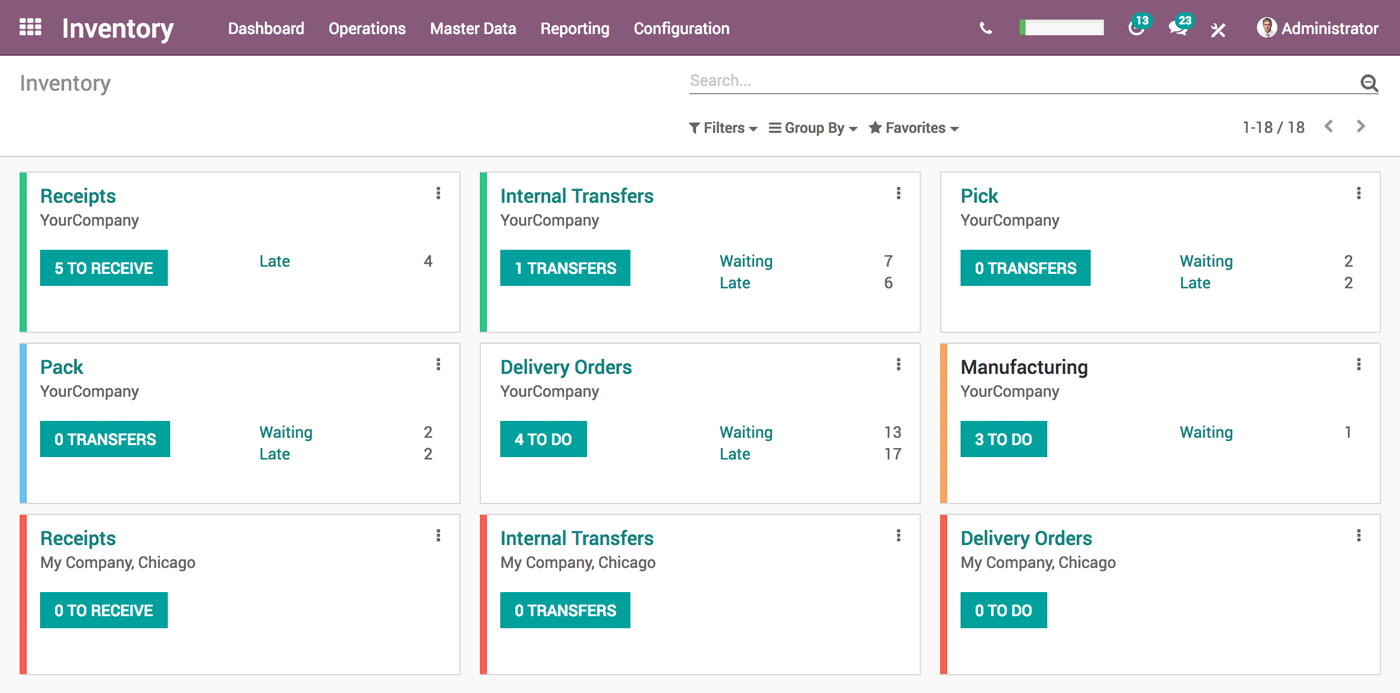
Odoo inventory management software provides sophisticated tools for tracking stock levels, managing warehouses, and optimizing supply chain operations. The system supports multiple inventory valuation methods, lot tracking, serial number management, and multi-location inventory control.
Warehouse Management Features
The inventory module supports complex warehouse operations including multiple storage locations, picking strategies, and automated replenishment rules. Barcode scanning integration streamlines receiving, picking, and shipping processes while reducing errors. The system tracks inventory movements in real-time and provides accurate stock level information across all locations.
Advanced features include drop-shipping, cross-docking, and consignment inventory management. The system can manage inventory across multiple warehouses and automatically transfer stock between locations based on demand and availability. Integration with purchasing modules ensures optimal stock levels through automated reordering.
Supply Chain Optimization
Odoo inventory management software includes demand forecasting tools that analyze historical usage patterns and predict future inventory needs. The system generates purchase suggestions based on minimum stock levels, lead times, and demand forecasts. This intelligent planning helps reduce carrying costs while avoiding stockouts.
Integration with supplier management enables automated purchase order generation and delivery tracking. The system monitors supplier performance and can suggest alternative suppliers based on price, quality, and delivery performance metrics.
Odoo Manufacturing Software: Production Management
Odoo manufacturing software supports various production methodologies such as make-to-order, make-to-stock, and engineer-to-order processes. The system manages bills of materials, work orders, production scheduling, and quality control processes through integrated workflows.
Production Planning and Control
The manufacturing module creates production schedules based on sales orders, inventory levels, and resource availability. Work orders get automatically generated from bills of materials and routed through appropriate production stages. Real-time production tracking enables managers to monitor progress and identify bottlenecks.
Quality control features ensure products meet specifications through inspection checkpoints and quality measurements. The system tracks quality metrics and can trigger corrective actions when defects are detected. Integration with inventory management ensures accurate tracking of raw materials and finished goods.
Resource Management
Production scheduling considers machine capacity, labor availability, and material requirements to optimize manufacturing efficiency. The system can simulate different production scenarios and recommend optimal schedules based on various constraints and priorities.
Maintenance management features track equipment status, schedule preventive maintenance, and manage repair activities. This integration helps minimize production downtime and extend equipment life.
Odoo E-commerce Software: Online Business Platform
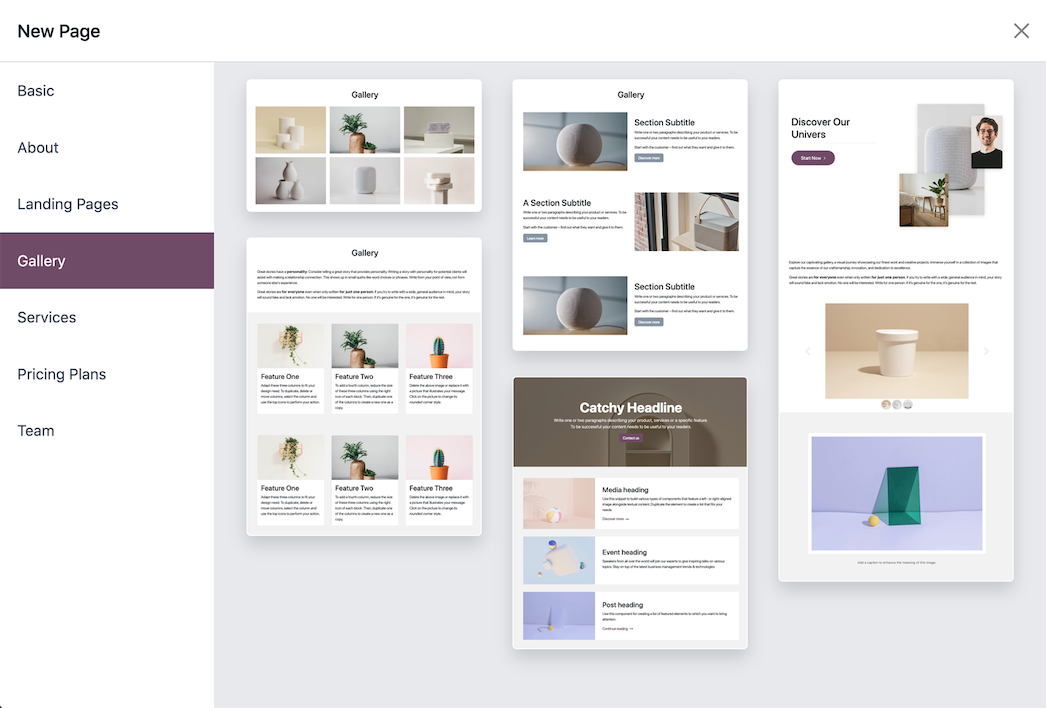
Odoo e-commerce software provides comprehensive online selling capabilities integrated with inventory, accounting, and customer management systems. The platform supports B2B and B2C sales channels through customizable website builders and shopping cart functionality.
Website Builder and Customization
The e-commerce module includes drag-and-drop website builders that require no technical expertise to create professional online stores. Templates and themes provide starting points for various industries while allowing complete customization of design and functionality. SEO optimization tools help improve search engine visibility.
Product catalog management integrates with inventory systems to provide real-time availability information and automatic price updates. The system supports various product types including physical goods, digital products, and services with flexible pricing structures and discount options.
Order Processing Integration
E-commerce orders automatically integrate with inventory, accounting, and fulfillment systems. When customers place orders, the system reserves inventory, generates picking lists, creates invoices, and processes payments without manual intervention. This integration ensures accurate order fulfillment and eliminates double data entry.
Multi-channel selling capabilities enable businesses to manage multiple online stores, marketplaces, and sales channels from single dashboards. Inventory and order information synchronizes across all channels to prevent overselling and maintain consistent customer experiences.
Odoo Point of Sale Software: Retail Management

Odoo point of sale software provides comprehensive retail management capabilities for physical stores including cash register functionality, inventory integration, and customer management. The system works online and offline to ensure continuous operations even during internet connectivity issues.
Retail Operations Management
The POS system handles various payment methods including cash, credit cards, mobile payments, and store credit. Integration with inventory management provides real-time stock information and automatic inventory updates with each sale. Customer information gets captured and integrated with CRM systems for relationship management.
Multi-store management enables businesses to operate multiple retail locations with centralized inventory and reporting. The system tracks performance across locations and provides comparative analytics to identify successful strategies and improvement opportunities.
Customer Experience Features
Loyalty program management encourages repeat customers through points accumulation and reward redemption. The system tracks customer purchase histories and can suggest personalized offers based on buying patterns. Integration with e-commerce enables omnichannel customer experiences across online and offline touchpoints.
Odoo Human Resource Management Software
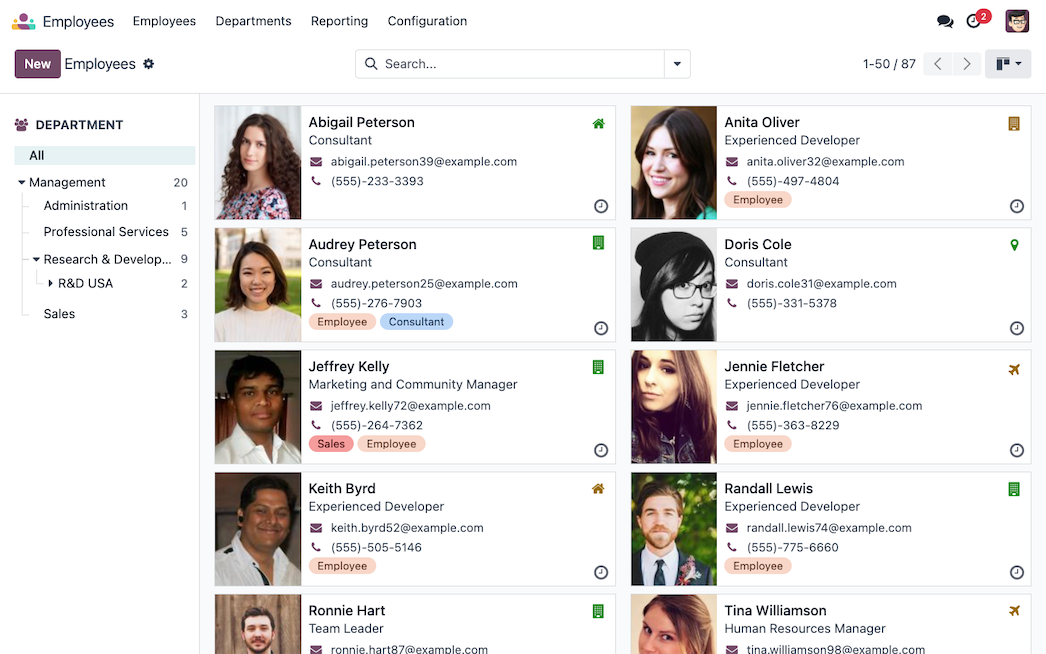
Odoo HR software manages employee information, recruitment processes, attendance tracking, and payroll administration. The system provides self-service portals for employees to update personal information, request time off, and access company information.
Employee Lifecycle Management
The HR module manages complete employee lifecycles from recruitment through retirement. Applicant tracking systems streamline hiring processes with automated workflows and communication templates. Employee onboarding features ensure consistent orientation experiences and proper documentation.
Performance management tools support goal setting, regular reviews, and career development planning. The system tracks employee achievements, training completions, and skill development to support career advancement and succession planning.
Attendance and Payroll Integration
Time tracking and attendance management integrate with payroll systems to ensure accurate compensation calculations. The system supports various work schedules, overtime policies, and leave management. Mobile applications enable remote time tracking and leave requests.
Payroll processing handles complex compensation structures including base salaries, commissions, bonuses, and deductions. Integration with accounting systems ensures proper expense allocation and financial reporting.
Odoo Project Management Software
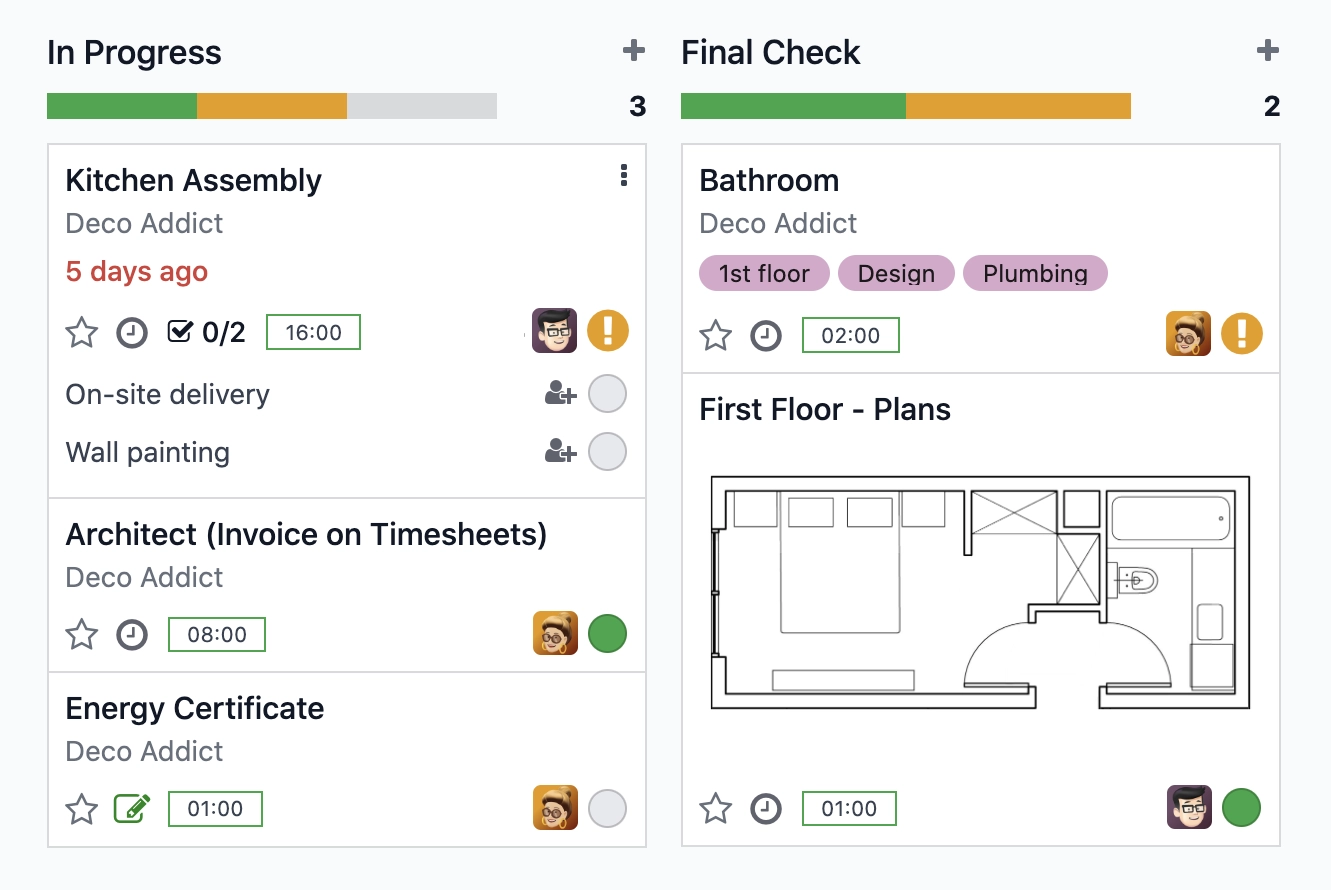
Odoo project management software provides tools for planning, executing, and monitoring projects across various industries. The system supports different project methodologies including traditional waterfall and agile approaches.
Project Planning and Execution
Project planning features include task creation, resource allocation, timeline management, and milestone tracking. Gantt charts provide visual project timelines while Kanban boards support agile project management. The system tracks project progress and can identify potential delays or resource conflicts.
Collaboration tools enable team communication through integrated messaging, file sharing, and document management. Time tracking features monitor actual effort against planned estimates to improve future project planning accuracy.
Resource and Budget Management
Project resource management considers employee availability, skills, and capacity when assigning tasks. The system can identify resource conflicts and suggest alternatives to optimize project execution. Integration with HR systems provides access to employee skills and availability information.
Budget tracking compares actual project costs against approved budgets with real-time reporting. The system tracks various cost categories like labor, materials, and external services to provide comprehensive project profitability analysis.
Odoo for Different Business Types
Odoo software adapts to various business models and industries through flexible configuration options and specialized modules. The platform serves manufacturing companies, retail businesses, service organizations, wholesale distributors, and e-commerce companies with industry-specific functionality.
Small Business Applications
Odoo for small business provides essential functionality at affordable costs through the community edition and scaled enterprise plans. Small companies can start with basic CRM and accounting modules then add inventory, e-commerce, or project management as they grow. The modular approach prevents over-investment in unused functionality.
Cloud hosting options eliminate infrastructure requirements while providing enterprise-grade security and reliability. Small businesses gain access to sophisticated business management tools previously available only to large enterprises.
Large Enterprise Solutions
Odoo for large enterprises supports complex organizational structures with multiple subsidiaries, currencies, and regulatory requirements. Advanced features include multi-company management, complex approval workflows, and extensive reporting capabilities.
Enterprise features include advanced security controls, audit trails, and compliance management tools. The system scales to support thousands of users across multiple geographic locations with centralized administration and reporting.
Integration and Customization Capabilities
Odoo’s open architecture enables extensive customization and integration with third-party systems. The platform provides APIs for connecting with existing business systems, external databases, and specialized industry applications.
Third-Party Integration Options
Common integrations include payment processors, shipping carriers, marketing automation platforms, and specialized industry software. The system can synchronize data with accounting systems, e-commerce platforms, and customer support tools to create comprehensive business ecosystems.
API access enables custom integrations and automated data exchange with external systems. Businesses can maintain existing investments while adding Odoo functionality incrementally.
Customization Flexibility
Odoo modules can be customized to match specific business processes and requirements. The system supports custom fields, workflows, reports, and user interfaces without requiring extensive programming knowledge. Advanced customizations can be developed by technical teams or Odoo partners.
Industry-specific modules provide specialized functionality for sectors like construction, healthcare, education, and professional services. These modules incorporate industry best practices and regulatory requirements into standard Odoo functionality.
Implementation and Deployment Options
Odoo offers various deployment options including cloud hosting, on-premises installation, and hybrid configurations. Each option provides different benefits regarding cost, control, and customization capabilities.
Cloud vs On-Premises Deployment
Cloud deployment provides immediate access to Odoo functionality without infrastructure investments. Odoo manages system updates, security, and backup processes while providing guaranteed uptime and performance. This option works well for businesses wanting to focus on operations rather than technology management.
On-premises deployment provides complete control over system configuration, data storage, and security policies. This option suits organizations with specific compliance requirements or existing infrastructure investments. Technical expertise is required for installation, maintenance, and updates.
Implementation Best Practices
Successful Odoo implementations require careful planning, user training, and change management. Organizations should start with core modules and gradually expand functionality as users become comfortable with the system. Data migration planning ensures smooth transitions from existing systems.
User training and support are critical for adoption success. Odoo provides extensive documentation, training materials, and certification programs for users and administrators. Partner networks offer implementation services and ongoing support for organizations lacking internal technical resources.
Frequently Asked Questions
What industries use Odoo software most effectively?
Odoo software works effectively across multiple industries including manufacturing, retail, wholesale distribution, services, and e-commerce. The platform’s modular design and customization capabilities enable adaptation to specific industry requirements and business processes.
Is Odoo suitable for small businesses with limited budgets?
Yes. Odoo community edition provides essential business management functionality at no cost, making it accessible for small businesses with limited budgets. Companies can upgrade to enterprise editions as they grow and require additional features or support.
How does Odoo compare to other ERP systems like SAP or Oracle?
Odoo provides similar functionality to enterprise ERP systems at significantly lower costs and complexity. While SAP and Oracle offer more extensive functionality for very large enterprises, Odoo provides better value and usability for small to medium businesses.
Can Odoo handle multiple companies or subsidiaries?
Yes. Odoo enterprise edition supports multi-company configurations with shared or separate data structures. The system manages inter-company transactions, consolidated reporting, and user access controls across multiple entities.
What technical skills are required to implement Odoo?
Basic Odoo implementation requires minimal technical skills, especially with cloud deployment options. Advanced customizations and on-premises installations require Python programming knowledge and database administration skills.
Does Odoo integrate with existing business systems?
Yes. Odoo provides APIs and integration tools for connecting with third-party systems including accounting software, e-commerce platforms, payment processors, and specialized industry applications.
How long does typical Odoo implementation take?
Implementation timelines vary based on complexity and customization requirements. Simple implementations can be completed in weeks while complex, multi-module deployments may require several months. Proper planning and user training are critical factors affecting timeline success.
What ongoing costs are associated with Odoo?
Ongoing costs include software licenses for enterprise editions, hosting fees for cloud deployment, and support services. Community edition users only pay for hosting and optional support services. Total cost of ownership is typically lower than traditional ERP systems.
Conclusion
Odoo software represents a comprehensive business management solution that addresses the diverse needs of modern organizations through integrated applications and flexible deployment options. From small startups requiring basic CRM and accounting functionality to large enterprises needing sophisticated manufacturing and supply chain management, Odoo provides scalable solutions that grow with business requirements.
The platform’s strength lies in its modular architecture that enables businesses to implement only needed functionality while maintaining the flexibility to expand capabilities over time. This approach reduces initial investment costs and complexity while providing clear upgrade paths as organizations mature and their requirements become more sophisticated.
Odoo’s combination of open-source accessibility and enterprise-grade functionality democratizes access to sophisticated business management tools previously available only to large corporations with substantial IT budgets. The platform’s extensive customization capabilities and integration options ensure that businesses can adapt the system to their specific processes rather than changing their operations to fit software limitations.
As businesses continue to digitize their operations and seek integrated solutions to replace multiple standalone systems, Odoo software provides compelling value through its comprehensive functionality, reasonable costs, and flexible implementation options. Organizations considering ERP implementations should evaluate Odoo alongside traditional vendors to determine the best fit for their specific requirements, budget constraints, and growth objectives.
The future of business management software lies in platforms that combine functionality, flexibility, and affordability while providing excellent user experiences. Odoo software continues evolving to meet these requirements through regular updates, expanding module libraries, and growing partner ecosystems that support successful implementations across various industries and business sizes.
You May Also Like
 Web Development
Supabase vs Firebase: Which Backend Platform is Right for Your Project?
 Cloud Computing
8 Best AWS S3 Alternatives Compared: Pricing, Egress, and S3 Compatibility
 SaaS
SaaSWhat is Confluence Used For In Project Management?
 SaaS
SaaSCognito Forms to Jira Software Cloud Integration: Setup, Automation, Field Mapping, and Best Practices
 Web Development
Building Apps with Lovable and Supabase: A Step-by-Step Guide
 Web Development
Heroku vs. Netlify (2026): Pricing, Features, and Best Uses
 Software
9 Best Free Laser Engraver Software Tools in 2026
 Software
When Fixing Bugs Is No Longer Enough: How to Rescue a Failing Software Project
 Web Development