

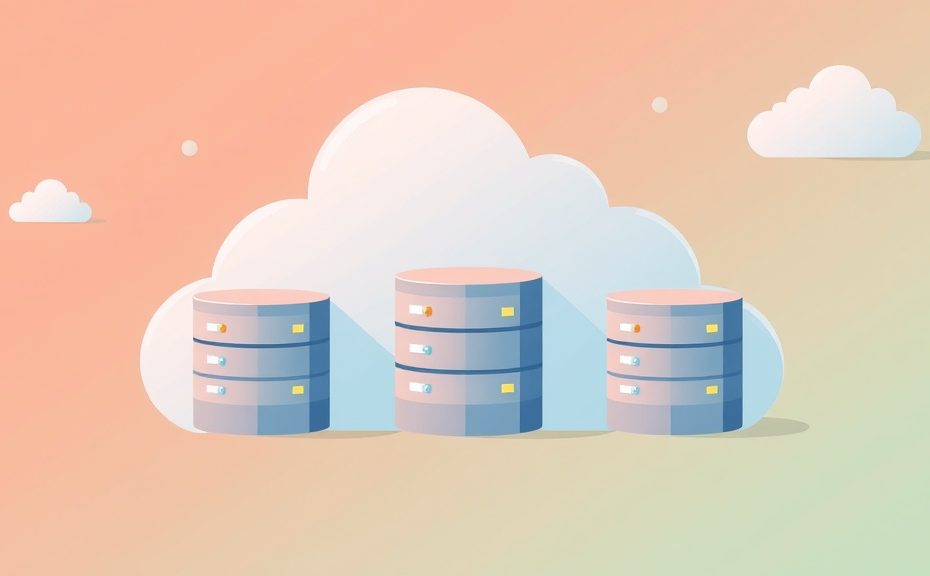
Public cloud leakage prevention is the practice of implementing security measures, policies, and technologies to prevent unauthorized exposure or disclosure of sensitive data stored in public cloud environments. This approach involves configuring proper access controls, encryption protocols, monitoring systems, and compliance frameworks to protect business data from cyber threats, misconfigurations, and human errors.
Cloud data breaches can cost companies millions of dollars in fines, legal fees, and lost customer trust. The average cost of a data breach reached $4.45 million, with cloud-based breaches often being more expensive due to their complexity and scope. Public cloud leakage occurs when sensitive information becomes accessible to unauthorized users through misconfigured storage buckets, weak access controls, inadequate encryption, or compromised credentials.
Understanding how to secure your cloud infrastructure is essential for any organization using services like AWS, Microsoft Azure, or Google Cloud Platform. This comprehensive guide will walk you through proven strategies, tools, and best practices to prevent cloud data leaks and maintain strong security posture.
What Causes Public Cloud Data Leakage?
Misconfigured storage containers, inadequate access controls, weak authentication mechanisms, and insufficient monitoring systems primarily cause public cloud data leakage. These vulnerabilities create pathways for unauthorized access to sensitive business data stored in cloud environments.
Storage Misconfiguration Issues
Cloud storage buckets represent the most common source of data leaks. Amazon S3 buckets, Azure Blob containers, and Google Cloud Storage buckets are frequently misconfigured with public read or write permissions. Default settings often prioritize accessibility over security, requiring administrators to manually implement proper restrictions.
Statistics show that 65% of cloud data breaches result from misconfigured cloud services. Organizations often struggle with the shared responsibility model, where cloud providers secure the infrastructure while customers remain responsible for securing their data and applications.
Inadequate Access Management
Identity and Access Management (IAM) failures contribute significantly to cloud leakage incidents. Overprivileged user accounts, shared credentials, and lack of multi-factor authentication create security gaps that attackers can exploit. Many organizations grant broad permissions without following the principle of least privilege.
Employee turnover compounds this problem when former staff retain access to cloud resources. Without proper offboarding procedures, terminated employees may continue accessing company data through forgotten accounts or shared credentials.
Weak Encryption Practices
Data encryption failures leave sensitive information vulnerable during transmission and storage. Organizations often neglect to encrypt data at rest or use weak encryption keys that can be easily compromised. Some companies store encryption keys alongside encrypted data, defeating the purpose of encryption altogether.
Inadequate key management practices, including storing keys in plain text or using default encryption settings, expose organizations to significant security risks. Proper VPN encryption protocols can provide additional layers of protection for cloud connections.

How Do Cloud Security Vulnerabilities Develop?
Cloud security vulnerabilities develop through a combination of rapid deployment practices, insufficient security training, complex cloud architectures, and inadequate security policies. These factors create environments where security gaps can emerge and persist undetected.
Rapid Development and Deployment
DevOps practices emphasize speed and efficiency, sometimes at the expense of security considerations. Development teams may deploy applications quickly without conducting thorough security reviews or implementing proper access controls. This “security debt” accumulates over time, creating multiple vulnerability points.
Container technologies and microservices architectures add complexity to cloud security. Each container or service may have different security requirements, making it challenging to maintain consistent security policies across the entire infrastructure.
Insufficient Security Training
Many cloud administrators lack comprehensive security training specific to cloud environments. Traditional IT security knowledge doesn’t always translate directly to cloud platforms, leading to configuration errors and security oversights.
Organizations often underestimate the learning curve required to properly secure cloud infrastructure. Staff members may not understand the shared responsibility model or how to implement cloud-native security tools effectively.
Complex Multi-Cloud Environments
Companies using multiple cloud providers face additional security challenges. Each platform has different security models, tools, and configuration requirements. Managing security consistently across AWS, Azure, and Google Cloud requires specialized knowledge and tools.
Shadow IT practices, where departments deploy cloud services without IT approval, create additional security blind spots. These unauthorized deployments often lack proper security configurations and monitoring.
Evolving Threat Landscape
Cybercriminals continuously develop new attack methods targeting cloud environments. Traditional security tools may not detect cloud-specific threats like credential stuffing attacks, API abuse, or serverless function exploitation.
The increasing sophistication of ransomware attacks targeting cloud infrastructure requires organizations to implement advanced threat detection and response capabilities.
What Are the Main Types of Cloud Data Leakage?
The main types of cloud data leakage include storage bucket exposures, API vulnerabilities, database misconfigurations, application-level leaks, and insider threats. Each type requires specific prevention strategies and monitoring approaches.

Storage Bucket Exposures
Public storage buckets represent the most visible type of cloud data leakage. When administrators configure storage containers with public read permissions, sensitive data becomes accessible to anyone with the bucket URL. Search engines and security researchers regularly discover exposed buckets containing customer data, financial records, and proprietary information.
Amazon S3 buckets alone have exposed billions of records due to misconfiguration. The AWS S3 bucket settings require careful configuration to prevent unauthorized access while maintaining necessary functionality.
API Security Failures
Application Programming Interfaces (APIs) serve as gateways to cloud data and services. Poorly secured APIs can expose sensitive data through inadequate authentication, excessive data exposure, or lack of rate limiting. API keys stored in public repositories or hardcoded in applications create additional vulnerability points.
REST APIs and GraphQL endpoints require proper authentication and authorization mechanisms. Without these protections, attackers can access, modify, or delete cloud data through API exploitation.
Database Configuration Issues
Cloud databases frequently suffer from weak authentication, unencrypted connections, and overly permissive access rules. Default database configurations often prioritize ease of setup over security, leaving databases vulnerable to unauthorized access.
NoSQL databases in cloud environments present unique challenges due to their flexible data models and varied security implementations. Traditional database security practices may not apply directly to cloud-native database services.
Application-Level Vulnerabilities
Web applications hosted in cloud environments can leak data through code vulnerabilities, including SQL injection, cross-site scripting, and insecure direct object references. These vulnerabilities allow attackers to access underlying cloud resources and data.
Serverless functions and containers may contain security flaws that expose environment variables, configuration files, or temporary credentials. These exposures can lead to broader cloud infrastructure compromise.
Insider Threats and Credential Abuse
Malicious or negligent insiders pose significant risks to cloud data security. Employees with legitimate access may intentionally or accidentally expose sensitive data through inappropriate sharing, weak passwords, or security policy violations.
Compromised credentials enable external attackers to appear as legitimate users, making detection difficult. How companies can protect customer data becomes critical when dealing with both internal and external threats.

How Can Organizations Implement Effective Access Controls?
Organizations can implement effective access controls through identity and access management (IAM) policies, multi-factor authentication, role-based access control, and regular access reviews. These measures ensure only authorized users can access specific cloud resources and data.
Identity and Access Management (IAM) Policies
IAM policies form the foundation of cloud access control. Organizations should implement the principle of least privilege, granting users only the minimum permissions necessary to perform their job functions. This approach reduces the potential impact of compromised accounts or insider threats.
Policy templates and automation tools can help maintain consistent access controls across cloud resources. Regular policy audits ensure permissions remain appropriate as business needs change.
Multi-Factor Authentication (MFA)
MFA adds an essential security layer by requiring users to provide multiple forms of authentication. Even if passwords are compromised, MFA prevents unauthorized access to cloud resources. Organizations should enforce MFA for all administrative accounts and sensitive data access.
Hardware security keys provide the strongest MFA protection against phishing attacks. SMS-based MFA, while better than passwords alone, remains vulnerable to SIM swapping and interception attacks.
Role-Based Access Control (RBAC)
RBAC systems assign permissions based on user roles rather than individual users. This approach simplifies permission management and ensures consistent access controls across the organization. New employees automatically receive appropriate permissions based on their assigned roles.
Regular role reviews help identify and remove unnecessary permissions. Organizations should document role definitions and approval processes to maintain accountability and compliance.
Zero-Trust Security Models
Zero-trust architectures assume no user or device is inherently trustworthy, requiring continuous verification of access requests. This approach provides enhanced security for cloud environments where traditional network perimeters don’t exist.
Implementing zero-trust requires comprehensive identity verification, device assessment, and continuous monitoring of user behavior and access patterns.
Automated Access Reviews
Regular access reviews identify and remove unnecessary permissions, dormant accounts, and policy violations. Automated tools can flag high-risk permissions and generate reports for security teams to review.
Quarterly access reviews help maintain security hygiene and demonstrate compliance with regulatory requirements. Documentation of review processes and remediation actions supports audit requirements.
What Role Does Encryption Play in Cloud Leakage Prevention?
Encryption plays a critical role in cloud leakage prevention by protecting data confidentiality even when unauthorized access occurs. Proper encryption implementation includes data-at-rest encryption, data-in-transit encryption, and comprehensive key management practices.
Data-at-Rest Encryption
Cloud storage services should encrypt all sensitive data using strong encryption algorithms like AES-256. This protection ensures that even if storage systems are compromised, the data remains unreadable without proper decryption keys.
Database encryption extends beyond storage to include application-level encryption for sensitive fields like social security numbers, credit card information, and personal health records. Field-level encryption provides granular protection for high-value data elements.
Data-in-Transit Encryption
All data transmission between cloud services and external systems requires encryption using protocols like TLS 1.3. This protection prevents man-in-the-middle attacks and data interception during network transmission.
VPN connections provide additional encryption layers for remote access to cloud resources. Understanding VPN encryption benefits helps organizations choose appropriate protection levels.
Key Management Best Practices
Encryption key management represents one of the most critical aspects of cloud security. Organizations should use dedicated key management services (KMS) provided by cloud platforms or third-party solutions to generate, store, and rotate encryption keys securely.
Key separation ensures encryption keys remain separate from encrypted data. Hardware security modules (HSMs) provide the highest level of key protection for organizations with strict security requirements.
End-to-End Encryption
End-to-end encryption protects data throughout its entire lifecycle, from creation to deletion. This approach ensures data remains encrypted during processing, storage, and transmission between systems.
Client-side encryption allows organizations to encrypt data before uploading to cloud services, maintaining complete control over encryption keys and processes.
Encryption Performance Considerations
Modern encryption implementations have minimal performance impact on cloud applications. However, organizations should test encryption overhead in their specific environments and optimize accordingly.
Encryption at the application level may require code changes and additional processing resources. Cloud-native encryption services often provide better performance and easier implementation.

How Should Organizations Monitor Cloud Environments for Data Leakage?
Organizations should monitor cloud environments through comprehensive logging, real-time alerting, automated security scanning, and behavioral analytics to detect potential data leakage incidents. Effective monitoring combines multiple detection methods to identify both known threats and anomalous activities.
Comprehensive Logging and Audit Trails
Cloud platforms generate extensive logs covering user activities, resource access, configuration changes, and system events. Organizations must enable comprehensive logging across all cloud services and centralize logs for analysis and retention.
Log aggregation platforms like AWS CloudTrail, Azure Monitor, and Google Cloud Logging provide detailed records of cloud activities. These logs support incident investigation, compliance reporting, and threat detection efforts.
Real-Time Security Monitoring
Security Information and Event Management (SIEM) systems analyze cloud logs in real-time to identify potential security incidents. Custom rules and machine learning algorithms can detect unusual access patterns, failed authentication attempts, and suspicious data transfer activities.
Cloud Access Security Brokers (CASB) provide additional monitoring capabilities for multi-cloud environments. These tools offer visibility into cloud application usage, data movement, and security policy compliance.
Automated Vulnerability Scanning
Regular vulnerability scanning identifies security weaknesses in cloud infrastructure before attackers can exploit them. Automated tools can scan for misconfigured resources, unpatched systems, and compliance violations.
Container and serverless security tools provide specialized scanning capabilities for modern cloud architectures. These tools integrate with development pipelines to identify vulnerabilities early in the deployment process.
Behavioral Analytics and Anomaly Detection
User and Entity Behavior Analytics (UEBA) systems establish baseline behavior patterns and alert on deviations that may indicate compromised accounts or insider threats. Machine learning algorithms improve detection accuracy over time.
Anomaly detection can identify unusual data access patterns, large data downloads, or access from unexpected locations. These indicators often precede data leakage incidents.
Data Loss Prevention (DLP) Tools
Data loss prevention best practices include implementing specialized DLP tools that monitor data movement and prevent unauthorized sharing. These tools can identify sensitive data types and enforce sharing policies automatically.
DLP solutions integrate with cloud storage services, email systems, and collaboration platforms to provide comprehensive data protection across the organization.
What Are the Best Practices for Securing Cloud Storage?
The best practices for securing cloud storage include implementing proper access controls, enabling encryption, configuring secure bucket policies, monitoring access patterns, and maintaining regular security assessments. These practices create multiple layers of protection for stored data.
Secure Bucket Configuration
Cloud storage buckets require careful configuration to prevent unauthorized access. Default settings often prioritize accessibility over security, making manual security configuration essential. Organizations should never use public read or write permissions unless absolutely necessary for business functions.
Bucket policies should follow the principle of least privilege, granting only necessary permissions to specific users or services. Regular policy reviews ensure permissions remain appropriate as business needs evolve.
Access Control Implementation
Storage access controls should integrate with organizational identity management systems. This integration ensures consistent access policies and enables centralized user management across cloud services.
Pre-signed URLs provide temporary access to storage resources without exposing permanent credentials. This approach enhances security for external sharing and application integration scenarios.
Data Classification and Handling
Organizations should classify data based on sensitivity levels and apply appropriate protection measures. Public data may require minimal protection, while confidential data needs encryption, access logging, and restricted sharing policies.
Automated data classification tools can identify sensitive information and apply appropriate security controls. Machine learning algorithms improve classification accuracy and reduce manual effort.
Backup and Recovery Procedures
Regular backups protect against data loss from accidental deletion, corruption, or ransomware attacks. Backup data should be encrypted and stored in separate locations or accounts to prevent simultaneous compromise.
Recovery procedures should be tested regularly to ensure data can be restored quickly and completely. Documentation of recovery processes supports business continuity planning.
Storage Lifecycle Management
Automated lifecycle policies can reduce storage costs and security risks by deleting or archiving old data. These policies should align with data retention requirements and business needs.
Data archival systems provide long-term storage with enhanced security controls. Archives should remain encrypted and accessible only to authorized personnel.
How Can Organizations Ensure Compliance with Data Protection Regulations?
Organizations can ensure compliance with data protection regulations through comprehensive data mapping, implementing privacy-by-design principles, maintaining audit documentation, and conducting regular compliance assessments. Regulatory compliance requires ongoing attention to both technical and procedural requirements.
Data Protection Regulation Understanding
Major regulations like GDPR, CCPA, HIPAA, and SOX impose specific requirements for data handling, storage, and processing. Organizations must understand which regulations apply to their operations and implement appropriate controls.
Compliance frameworks provide structured approaches to meeting regulatory requirements. Standards like ISO 27001, SOC 2, and NIST Cybersecurity Framework offer comprehensive security control guidance.
Data Mapping and Inventory
Comprehensive data mapping identifies all personal and sensitive data within cloud environments. This inventory supports compliance reporting, breach notification requirements, and data subject rights fulfillment.
Data flow diagrams document how information moves through cloud systems and external integrations. This documentation supports privacy impact assessments and compliance audits.
Privacy-by-Design Implementation
Privacy-by-design principles require organizations to consider data protection from the initial system design phase. This approach ensures compliance controls are built into cloud architectures rather than added as afterthoughts.
Data minimization practices reduce compliance scope by collecting and retaining only necessary information. Automated data retention policies support these efforts by deleting data when no longer needed.
Audit Trail Maintenance
Detailed audit trails document all data access, modification, and deletion activities. These records support compliance reporting, breach investigation, and regulatory audit requirements.
Immutable logging systems prevent audit trail tampering and ensure log integrity. Blockchain-based logging solutions provide enhanced tamper-evident capabilities for critical compliance requirements.
Regular Compliance Assessments
Internal compliance audits identify gaps in data protection controls and procedures. These assessments should cover both technical implementations and operational processes.
Third-party compliance assessments provide independent validation of security controls and regulatory compliance. External audits often identify issues that internal teams might overlook.
What Tools and Technologies Help Prevent Cloud Data Leakage?
Tools and technologies that help prevent cloud data leakage include Cloud Access Security Brokers (CASB), Data Loss Prevention (DLP) solutions, Security Information and Event Management (SIEM) systems, and automated compliance scanning tools. These technologies provide comprehensive protection across cloud environments.
Cloud Access Security Brokers (CASB)
CASB solutions provide visibility and control for cloud application usage across organizations. These tools can enforce security policies, detect risky behaviors, and prevent data leakage through cloud applications.
CASB platforms offer API-based and proxy-based deployment models. API-based solutions provide deep integration with cloud services, while proxy-based solutions offer real-time traffic inspection and control.
Data Loss Prevention (DLP) Solutions
Cloud-native DLP tools monitor data movement and prevent unauthorized sharing of sensitive information. These solutions can identify credit card numbers, social security numbers, and other regulated data types automatically.
Modern DLP solutions use machine learning algorithms to improve detection accuracy and reduce false positives. Integration with cloud storage and collaboration platforms provides comprehensive data protection.
Security Information and Event Management (SIEM)
SIEM platforms aggregate and analyze security logs from multiple cloud services to identify potential threats. Custom correlation rules can detect complex attack patterns that might escape individual service monitoring.
Cloud-native SIEM solutions offer better integration with cloud services and reduced operational overhead compared to traditional on-premises deployments.
Automated Security Scanning
Infrastructure-as-Code (IaC) security scanning tools identify misconfigurations before deployment to production environments. These tools integrate with development pipelines to provide continuous security validation.
Runtime security scanning monitors live cloud resources for configuration drift and new vulnerabilities. Automated remediation capabilities can fix common security issues without manual intervention.
Identity and Access Management (IAM) Tools
Advanced IAM solutions provide features like privileged access management, just-in-time access, and access analytics. These capabilities enhance traditional access controls with dynamic and context-aware permissions.
Identity governance platforms help manage user lifecycle, access certifications, and role mining to maintain proper access controls across cloud environments.
How Should Organizations Respond to Cloud Data Leakage Incidents?
Organizations should respond to cloud data leakage incidents through immediate containment actions, comprehensive impact assessment, stakeholder notification, and detailed incident documentation. Effective incident response requires pre-planned procedures and trained response teams.
Immediate Containment Actions
The first priority in any data leakage incident is stopping further data exposure. This may involve disabling compromised accounts, removing public access permissions, or taking affected systems offline temporarily.
Containment actions should be documented to support later investigation and compliance reporting. Quick action can significantly reduce the scope and impact of data leakage incidents.
Impact Assessment and Investigation
Thorough investigation determines the scope of data exposure, affected individuals, and potential causes of the incident. Digital forensics techniques help preserve evidence and understand attack methods.
Impact assessment should quantify the number of affected records, types of exposed data, and potential harm to individuals or the organization. This information supports notification decisions and remediation planning.
Stakeholder Notification Requirements
Many regulations require organizations to notify affected individuals, regulatory authorities, and business partners within specific timeframes. Notification requirements vary by jurisdiction and data type.
Communication plans should include templates for different stakeholder groups and escalation procedures for high-impact incidents. Legal counsel should review notification content to ensure compliance and minimize liability.
Remediation and Recovery Actions
Remediation activities address the root causes of data leakage and prevent similar incidents. This may include security control improvements, policy updates, or additional staff training.
Recovery procedures ensure affected systems and data are restored to secure operating conditions. Validation testing confirms that remediation actions are effective and complete.
Lessons Learned and Improvement
Post-incident reviews identify improvement opportunities in security controls, incident response procedures, and staff training. These reviews should involve all relevant stakeholders and result in actionable recommendations.
Documentation of lessons learned supports organizational learning and can help prevent similar incidents. Sharing anonymized information with industry peers contributes to overall security awareness.
What Are the Future Trends in Cloud Security and Leakage Prevention?
Future trends in cloud security and leakage prevention include artificial intelligence-driven threat detection, zero-trust architecture adoption, confidential computing technologies, and automated security orchestration. These developments promise enhanced protection capabilities and reduced manual security management overhead.
Artificial Intelligence and Machine Learning
AI-powered security tools provide enhanced threat detection capabilities by analyzing patterns in large datasets that would be impossible for human analysts to review manually. Machine learning algorithms continuously improve detection accuracy and adapt to new threat patterns.
Behavioral analytics powered by AI can identify subtle indicators of compromised accounts or insider threats. These capabilities enhance traditional signature-based detection methods with adaptive learning.
Zero-Trust Architecture Evolution
Zero-trust principles are becoming standard practice for cloud security architectures. This approach eliminates implicit trust assumptions and requires continuous verification of all access requests.
Micro-segmentation technologies enable granular network controls that limit the impact of security breaches. Software-defined perimeters provide dynamic access controls based on user, device, and application context.
Confidential Computing Technologies
Confidential computing protects data during processing using hardware-based trusted execution environments. This technology addresses the final frontier of data protection by securing data in use.
Homomorphic encryption enables computation on encrypted data without decryption, supporting privacy-preserving analytics and machine learning applications.
Automated Security Orchestration
Security orchestration platforms automate routine security tasks and coordinate responses across multiple security tools. This automation reduces response times and ensures consistent application of security policies.
Infrastructure-as-Code approaches enable security controls to be defined and deployed programmatically. This capability supports DevSecOps practices and ensures security is integrated throughout the development lifecycle.
Quantum-Safe Cryptography
Post-quantum cryptography algorithms provide protection against future quantum computing threats. Organizations should begin planning migration strategies to quantum-resistant encryption methods.
Crypto-agility frameworks enable organizations to update encryption algorithms and key sizes without major system redesigns. This flexibility supports long-term cryptographic security planning.
Conclusion
Public cloud leakage prevention requires a comprehensive approach combining technical controls, operational procedures, and continuous monitoring. Organizations must implement multiple layers of protection including proper access controls, encryption, monitoring systems, and incident response capabilities.
The shared responsibility model means cloud customers bear significant responsibility for securing their data and applications. Understanding the division of responsibilities between cloud providers and customers is essential for effective security implementation.
Regular security assessments, staff training, and policy updates ensure cloud security controls remain effective as threats and technologies evolve. Organizations should view cloud security as an ongoing process rather than a one-time implementation.
Success in preventing cloud data leakage depends on leadership commitment, adequate resource allocation, and organization-wide security awareness. Investing in proper cloud security controls and practices protects not only sensitive data but also customer trust and business reputation.
The future of cloud security will bring new technologies and capabilities, but fundamental principles of defense in depth, least privilege access, and continuous monitoring will remain essential. Organizations that establish strong security foundations can adapt to emerging threats and take advantage of new protection technologies.
Frequently Asked Questions
Is public cloud storage inherently less secure than private cloud storage?
No, public cloud storage is not inherently less secure than private cloud storage. Major public cloud providers invest heavily in security infrastructure and often provide better security capabilities than most organizations can implement independently. However, customers remain responsible for proper configuration and data protection within public cloud environments.
Does encrypting cloud data guarantee protection against data leakage?
No, encryption alone does not guarantee complete protection against data leakage. While encryption provides essential protection for data confidentiality, organizations must also implement proper key management, access controls, and monitoring systems. Encryption keys stored alongside encrypted data or transmitted through insecure channels can compromise the entire encryption scheme.
Can automated tools completely prevent cloud misconfigurations?
No, automated tools cannot completely prevent all cloud misconfigurations, but they significantly reduce the risk. Configuration scanning tools can identify many common misconfigurations and policy violations, but complex cloud environments may have unique requirements that automated tools cannot address. Human oversight and regular manual reviews remain necessary.
Is multi-factor authentication sufficient to prevent unauthorized cloud access?
No, while multi-factor authentication significantly enhances security, it is not sufficient by itself to prevent all unauthorized access. MFA should be combined with other security controls including proper access policies, network segmentation, behavioral monitoring, and regular access reviews. Some sophisticated attacks can bypass certain MFA implementations.
Do cloud providers automatically back up customer data?
No, cloud providers do not automatically back up customer data in most cases. While providers maintain redundancy for their infrastructure, customers typically remain responsible for data backups and disaster recovery planning. Organizations should implement their own backup strategies and test recovery procedures regularly.
Can small businesses afford comprehensive cloud security measures?
Yes, small businesses can afford comprehensive cloud security measures by leveraging cloud-native security services and focusing on essential controls first. Many cloud security tools offer pay-as-you-use pricing models that scale with business growth. Prioritizing high-impact security measures like MFA, encryption, and basic monitoring provides strong protection without excessive costs.
Is it safe to store regulated data like healthcare records in public clouds?
Yes, it can be safe to store regulated data in public clouds when proper security controls are implemented. Major cloud providers offer compliance certifications for regulations like HIPAA, PCI DSS, and SOX. However, customers must properly configure security controls, implement encryption, and maintain compliance procedures to meet regulatory requirements.
Does using multiple cloud providers increase security risks?
No, using multiple cloud providers does not inherently increase security risks, but it does increase complexity. Multi-cloud strategies can actually improve security through redundancy and reduced vendor lock-in. However, organizations must maintain consistent security policies and monitoring across all cloud platforms, which requires additional tools and expertise.
You May Also Like
 Web Development
What Is API Rate Limiting? (A Practical, Simple Guide for Safer, Faster APIs)
 Web Development
REST API vs SOAP API: Differences, Pros & Cons, and Use Cases
 Cybersecurity
What Is Zero Trust Network Access (ZTNA)? How It Works, How It Differs From a VPN, and When to Use It
 Cybersecurity
What Is Netskope? Cloud Security, SASE, and Zero Trust Explained
 Cybersecurity
Is Fanatical Legit and Safe? My Honest Take on Buying Game Keys
 Data Security & Privacy
Is Gameflip Legit and Safe for Gift Cards? What Buyers Should Know
 Data Security & Privacy
Is Eldorado.gg Legit and Safe in 2026? My Investigation and What Buyers Should Know
 Web Development
Supabase vs Firebase: Which Backend Platform is Right for Your Project?
 Cloud Computing