


Dental practice management software for small offices is a digital tool that helps dentists run daily tasks like scheduling, billing, charting, and patient records in one system. Small dental offices, usually with 1-5 operatories and fewer than 10 staff members, need software that is affordable, simple to learn, and cloud-based for easy access. The top picks for 2026 include Curve Dental, Dentrix Ascend, Open Dental, CareStack, and tab32, with prices ranging from $99 to $599 per month.
Small dental clinics save 10-15 hours each week when they use the right management software. This time savings comes from automated appointment reminders, faster insurance claims, and digital charting. Cloud-based platforms also cut IT costs by 40% compared to old server-based systems, which makes them perfect for solo dentists and small group practices.
The choice depends on three main factors: budget, practice size, and must-have features. A solo dentist may prefer Open Dental for its low cost and full control, while a growing two-dentist office might pick Curve Dental for its modern cloud design and built-in patient texting. Read on to compare the top 7 platforms, their key features, real pricing, and answers to common questions.
What Is Dental Practice Management Software?
Dental practice management software is a computer program that handles all the business and clinical tasks of a dental office in one place. It combines patient scheduling, electronic health records (EHR), billing, insurance claims, charting, imaging, and reporting into a single dashboard.
The main entity here is the dental practice management system (DPMS). Related entities include electronic dental records (EDR), patient management systems, dental billing software, and appointment scheduling tools. These tools work together to replace paper files, sticky notes, and separate programs.
A small dental office often uses this software to:
- Track patient appointments and send automatic reminders by text or email
- Store digital X-rays, periodontal charts, and treatment notes
- Submit insurance claims electronically to payers like Delta Dental and Cigna
- Process credit card payments and patient statements
- Generate reports on production, collections, and patient retention
How Does It Differ From General Medical Software?
Dental software differs from general medical software because it includes tooth charting, perio charting, and dental imaging integration. General medical EHRs like Epic or Athenahealth focus on body systems, while dental platforms focus on individual teeth, surfaces, and oral structures.
Dental software also connects directly with dental imaging tools, such as Dexis, Carestream, and Planmeca, plus lab case tracking and CDT code billing.
Top 7 Best Dental Practice Management Software for Small Offices in 2026
Here are the 7 best dental practice management software options for small dental offices, based on features, price, ease of use, and customer reviews:
- Curve Dental – Best overall cloud-based option
- Dentrix Ascend – Best for growing practices
- Open Dental – Best open-source and budget pick
- CareStack – Best all-in-one platform
- tab32 – Best for solo dentists
- Eaglesoft – Best for traditional Windows users
- Denticon – Best for multi-location small groups
1. Curve Dental
Curve Dental is a fully cloud-based dental management platform built for small to mid-size practices. The software runs on any device with a web browser, which means dentists can view charts from home, the office, or a tablet during treatment.
Key features include:
- Cloud-based access from any device
- Built-in patient texting and email reminders
- Integrated imaging with Dexis and Carestream
- Online patient forms and e-signatures
- Automatic insurance claim submission
Pricing: Starts at around $400-$500 per month per provider. New offices may pay a one-time setup fee of $2,000-$3,000.
Best for: Small offices that want a modern, paperless workflow without buying servers.
2. Dentrix Ascend
Dentrix Ascend is the cloud version of the popular Dentrix software made by Henry Schein One. It targets small and mid-size practices that need strong reporting and insurance tools.
Key features include:
- Cloud hosting with no local server needed
- Smart workflows that guide staff through daily tasks
- Real-time analytics dashboard
- Integrated eClaims and electronic attachments
- Multi-location support for growing practices
Pricing: Around $379-$599 per month per location, depending on add-ons.
Best for: Practices that plan to grow from one to three locations within five years.
3. Open Dental
Open Dental is an open-source dental management software with one of the lowest monthly costs in the industry. It runs on a local server or in the cloud through third-party hosts.
Key features include:
- Full source code access for custom changes
- Strong charting and treatment planning tools
- eServices for online scheduling and texting (extra fee)
- Direct integration with most imaging systems
- Active user community and developer support
Pricing: $179 per month for unlimited users at one office. Cloud hosting adds $50-$150 per month.
Best for: Tech-savvy dentists and solo practices that want low cost and full control.
4. CareStack
CareStack is an all-in-one cloud platform that combines practice management, patient engagement, and revenue cycle tools in one system. It removes the need for many third-party add-ons.
Key features include:
- Built-in online scheduling and patient portal
- Two-way texting and automated recall
- Integrated payments and patient financing
- Real-time eligibility verification
- Marketing tools for reviews and referrals
Pricing: Starts at $549 per month per location, with custom quotes for small offices.
Best for: Small offices that want to replace 4-5 separate tools with one platform.
5. tab32
tab32 is a cloud-based platform designed for solo dentists and small group practices. It focuses on simple workflows and patient communication.
Key features include:
- Patient relationship management (PRM) tools
- Built-in imaging cloud storage
- Automated marketing campaigns
- Open API for custom integrations
- HIPAA-compliant data security
Pricing: Around $399-$499 per month per provider.
Best for: Solo dentists who want strong patient marketing built in.
6. Eaglesoft
Eaglesoft, made by Patterson Dental, is a server-based dental software with decades of history. It still serves many small offices that prefer Windows-based systems.
Key features include:
- Detailed clinical charting and perio exams
- SmartDoc document management
- Direct integration with Patterson imaging
- Strong reporting and ledger tools
- Optional cloud hosting through Patterson
Pricing: One-time license of $5,000-$8,000, plus $200-$400 per month for support.
Best for: Offices that already use Patterson Dental products and prefer local servers.
7. Denticon
Denticon by Planet DDS is a cloud-based platform that works well for small offices planning to expand to multiple locations. It supports unlimited users and locations on one database.
Key features include:
- Centralized data across all locations
- Role-based user permissions
- Built-in eClaims and insurance verification
- Integrated patient engagement tools
- Custom report builder
Pricing: Around $400-$600 per month per location.
Best for: Small DSOs (Dental Service Organizations) and groups with 2-5 locations.
Comparison Table: Top Dental Software for Small Offices
| Software | Type | Starting Price/Month | Best For | Cloud-Based |
|---|---|---|---|---|
| Curve Dental | SaaS | $400-$500 | Modern small offices | Yes |
| Dentrix Ascend | SaaS | $379-$599 | Growing practices | Yes |
| Open Dental | Open Source | $179 | Budget-focused solo | Optional |
| CareStack | SaaS | $549 | All-in-one needs | Yes |
| tab32 | SaaS | $399-$499 | Solo dentists | Yes |
| Eaglesoft | Server-based | $200-$400 + license | Patterson users | Optional |
| Denticon | SaaS | $400-$600 | Multi-location groups | Yes |
Key Features to Look For in Small Office Dental Software
Small dental offices should focus on 8 core features when choosing management software. These features cover both clinical and business needs.
1. Cloud-Based Access
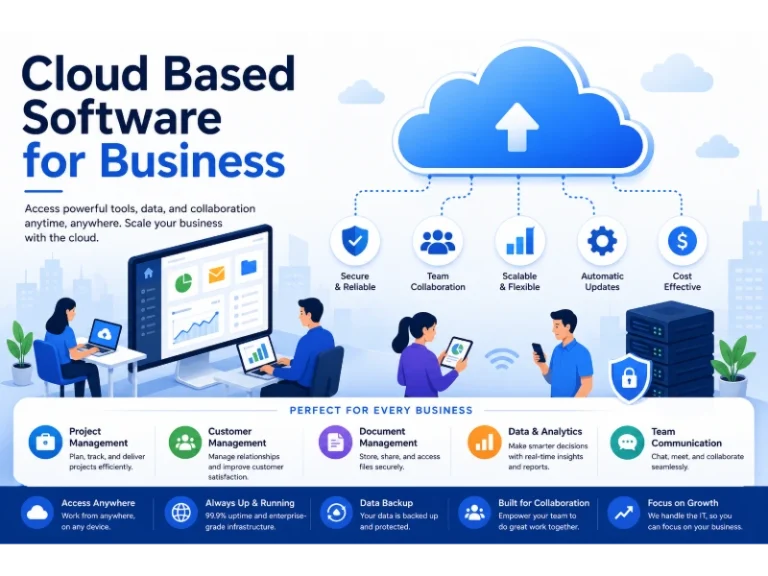
Cloud-based software stores data on secure remote servers instead of local computers. Dentists can log in from any device with internet access. Cloud systems also handle backups, updates, and security patches automatically.
2. Patient Scheduling and Reminders
Scheduling tools should include drag-and-drop calendars, color-coded appointment types, and automatic reminders. Studies show that automated text reminders reduce no-shows by 25-30%.
3. Electronic Charting
Electronic charting replaces paper tooth charts and perio sheets. The best systems include voice-activated charting, touchscreen support, and visual treatment plans.
4. Insurance Claims and Billing
Integrated eClaims submit claims directly to clearinghouses like DentalXChange and Change Healthcare. Real-time eligibility checks confirm patient coverage before treatment.
5. Imaging Integration
Imaging integration connects digital X-rays, intraoral cameras, and CBCT scans to patient records. Look for support of DICOM standards and bridges to systems like Dexis, Carestream, and Planmeca.
6. Patient Communication
Two-way texting, email campaigns, and online forms improve patient engagement. Some platforms include patient portals where patients view bills, sign forms, and book appointments.
7. Reporting and Analytics
Reports show daily production, collections, treatment acceptance rates, and provider performance. Small offices need at least 20-30 standard reports plus custom report options.
8. HIPAA Compliance and Security
HIPAA compliance protects patient health information. The software should include encrypted data storage, audit logs, role-based access, and signed Business Associate Agreements (BAAs).
How Much Does Dental Practice Management Software Cost?
Dental practice management software costs between $99 and $700 per month for small offices in 2026. The final price depends on the deployment type, number of users, and added features.
Pricing Breakdown by Type
- Cloud-based (SaaS): $300-$600 per month per provider
- Server-based (on-premise): $3,000-$10,000 one-time license, plus $150-$400 per month for support
- Open-source: $179-$300 per month for support and hosting
Hidden Costs to Watch
Hidden costs can add 20-40% to the base price. Common extra fees include:
- Setup and data migration: $1,000-$5,000 one-time
- Training: $500-$2,000 per staff member
- Imaging bridge fees: $20-$50 per month
- Patient texting credits: $0.02-$0.05 per text
- Merchant processing: 2.5-3.5% per credit card transaction
Cost Comparison: Cloud vs Server
Cloud-based software costs less upfront but more over five years. Server-based software costs more upfront but less in monthly fees. For a small office, cloud-based platforms save 30-40% in total costs over three years when IT support, backups, and hardware are included.
How to Choose the Right Software for Your Small Dental Office
Pick the right dental software by following these 6 steps:
- List your must-have features. Write down the top 10 features your team uses daily.
- Set a clear budget. Include monthly fees, setup costs, and training.
- Request live demos. Schedule demos with 3-4 vendors and invite key staff.
- Check integration support. Confirm the software connects with your imaging, payment, and insurance tools.
- Read verified reviews. Look at reviews on Capterra, Software Advice, and G2.
- Test data migration. Ask vendors how they move data from your current system.
Questions to Ask Vendors
Ask each vendor these questions before signing a contract:
- What is the total cost over 3 years, including all fees?
- How long does training take for a 5-person team?
- What is the average uptime and how is downtime handled?
- Who owns the patient data if I cancel the contract?
- Does support include phone, chat, and email options?
Cloud-Based vs Server-Based Dental Software
Cloud-based dental software stores data on remote servers managed by the vendor, while server-based software stores data on a computer inside the office. Each option has clear benefits for small practices.
Benefits of Cloud-Based Software
- Access from any device with internet
- Automatic backups and updates
- Lower upfront cost
- No need for in-office IT staff
- Strong data security with vendor-managed encryption
Benefits of Server-Based Software
- Full control over data location
- No monthly subscription required
- Works without internet (after setup)
- One-time license cost
- Faster performance for large imaging files
Which Is Better for Small Offices?
Cloud-based software is better for most small dental offices in 2026. It removes IT headaches, reduces upfront costs, and supports remote work. Server-based software still works well for offices in areas with poor internet or those that already own server hardware.
Top Benefits of Using Dental Practice Management Software
Dental practice management software delivers 7 measurable benefits to small offices:
- Saves 10-15 hours per week on admin tasks like scheduling and billing
- Reduces no-shows by 25-30% through automated reminders
- Increases collections by 15-20% with electronic claims and patient payments
- Cuts paper costs by 80% through digital forms and charts
- Improves patient retention by 20% with better communication
- Speeds up insurance payments from 30 days to 7-14 days
- Boosts treatment acceptance by 10-15% with visual treatment plans
Common Mistakes Small Offices Make When Choosing Software
Small dental offices often make 5 common mistakes when picking management software:
- Choosing based on price alone. The cheapest option may lack key features like eClaims or imaging support.
- Skipping staff input. Front desk, hygienists, and assistants use the software daily and should test it before purchase.
- Ignoring data migration. Moving 10+ years of patient records is complex and needs vendor support.
- Underestimating training time. Most teams need 20-40 hours of training to use new software well.
- Not checking integration. Some software does not connect with popular imaging or payment tools.
Frequently Asked Questions
Is cloud-based dental software safe for patient data?
Yes. Cloud-based dental software is safe because it uses bank-level encryption, HIPAA-compliant data centers, and automatic backups. Reputable vendors sign Business Associate Agreements (BAAs) and meet SOC 2 security standards.
Can small dental offices afford practice management software?
Yes. Small dental offices can afford management software because cloud plans start at $179-$400 per month. The software pays for itself within 3-6 months through fewer no-shows, faster collections, and saved staff hours.
Do I need to buy new computers to run dental software?
No. Most cloud-based dental software runs on any modern computer, tablet, or laptop with a web browser. Server-based options like Eaglesoft may need a dedicated Windows server, but small offices using cloud platforms can use existing devices.
Can dental software work without internet?
No. Cloud-based dental software needs a stable internet connection to work. Server-based software like Eaglesoft and Open Dental (local install) can run offline, but cloud platforms like Curve Dental and CareStack require internet access.
Is Open Dental really free?
No. Open Dental is open-source but not free. The software charges $179 per month per office for support, updates, and eServices. The source code is free to view and modify, but professional use requires a paid license.
Can I switch dental software without losing patient data?
Yes. You can switch dental software without losing patient data because most vendors offer data migration services. The process moves patient records, appointments, ledgers, and imaging files to the new system. Migration usually takes 2-6 weeks and costs $1,000-$5,000.
Does dental practice management software include payroll?
No. Most dental practice management software does not include payroll. Payroll requires separate tools like Gusto, ADP, or QuickBooks Payroll. Some platforms integrate with these tools through third-party connections.
Is training included with dental software purchases?
Yes. Training is included with most dental software purchases, but the hours and format vary. Cloud vendors like Curve Dental and CareStack provide 10-20 hours of free online training. Extra training sessions cost $100-$200 per hour.
Conclusion
Dental practice management software helps small offices save time, increase revenue, and improve patient care. The best choice depends on practice size, budget, and growth plans. Curve Dental stands out as the top overall cloud-based pick, while Open Dental wins on price and flexibility. Dentrix Ascend suits growing practices, and CareStack fits offices that want one tool for everything.
Small dental offices should focus on cloud-based platforms in 2026 because they offer lower upfront costs, easier setup, and stronger security. Before buying, request demos from 3-4 vendors, check verified reviews on Capterra and G2, and confirm data migration support. The right software pays for itself within 6 months through automated reminders, faster claims, and better patient communication.
Solo dentists with tight budgets should start with Open Dental at $179 per month. Two- to three-provider offices benefit most from Curve Dental or Dentrix Ascend. Growing practices planning multi-location expansion should pick Denticon or CareStack for scalable cloud features. Each platform supports HIPAA compliance, imaging integration, and electronic claims, which are the core needs of any modern small dental office.
You May Also Like
 Cloud Computing
8 Best AWS S3 Alternatives Compared: Pricing, Egress, and S3 Compatibility
 SaaS
SaaSWhat is Confluence Used For In Project Management?
 SaaS
SaaSCognito Forms to Jira Software Cloud Integration: Setup, Automation, Field Mapping, and Best Practices
 Web Development
Building Apps with Lovable and Supabase: A Step-by-Step Guide
 Web Development
Heroku vs. Netlify (2026): Pricing, Features, and Best Uses
 Software
When Fixing Bugs Is No Longer Enough: How to Rescue a Failing Software Project
 SaaS
SaaS25 Best Pipedrive Integrations to Automate Sales and Grow Your Business
 SaaS
SaaS10 Best Virtual Phone Number Services for 2026: A Practical Buying Guide
 SaaS
SaaS