


Running a retail store means making hundreds of decisions about where to put products. Should the cereal go on the top shelf or eye level? Which items should sit next to each other? How much space does each product need? These questions might seem simple, but getting the answers right can make a huge difference in your sales.
Planogram software helps store owners and managers solve these problems. Think of it as a digital tool that lets you design your store shelves on a computer before moving a single product. You can test different arrangements, see what works best, and then give clear instructions to your staff about where everything goes.
Stores that use planogram software typically see their sales go up by 15-30%. That happens because products are easier to find, popular items get better shelf space, and related products sit together where shoppers expect them. The software also saves time because employees know exactly where things belong.
This guide walks you through the best planogram software options available right now. You’ll learn what features matter most, how much these tools cost, and which ones work best for different types of stores. Whether you run a small shop or manage multiple locations, you’ll find practical information to help you choose the right solution.
What Planogram Software Does for Your Store
Planogram software creates detailed pictures showing exactly where each product should go on your shelves. Instead of guessing or sketching layouts on paper, you build digital shelf designs that your team can follow.
Here’s how it works in everyday terms. You start by building a digital version of your actual shelves. Then you drag and drop product images onto those shelves, just like arranging items in real life but on your computer screen. The software shows you how many items fit, what the display looks like, and whether you’re using space well.
Store owners use planogram software for several important jobs:
- Planning seasonal changes – When holidays come around, you need to rearrange products quickly and the software helps you plan everything in advance
- Managing multiple stores – If you have several locations, you can create one layout and use it everywhere so all stores look the same
- Training new employees – Staff can see exactly where products belong without asking a manager every few minutes
- Testing new ideas – Try different arrangements on screen before actually moving heavy products around
- Tracking what sells – Good software shows you which shelf spots generate the most sales
The real value shows up in your daily operations. Instead of spending hours fixing shelf arrangements or dealing with confused customers who can’t find items, your store runs smoother. Products are where shoppers expect them. Popular items get prime spots at eye level. Related products sit together, encouraging people to buy more.
Studies show that stores using planogram software sell 8-15% more per square foot than stores that wing it. That’s because every inch of shelf space works harder. You’re not wasting good spots on slow-moving items or hiding bestsellers in corners where nobody looks.
Think of planogram software like project management tools that help teams work better together. Both types of software organize complex tasks and make sure everyone follows the same plan. The difference is that planogram software focuses specifically on physical product placement rather than workflow management.

Top Features That Actually Matter
The best planogram software needs three main things: easy drag-and-drop design, accurate measurements, and the ability to share plans with your team. Everything else is extra, though some extras are definitely worth having.
Let’s start with the basics that every good planogram tool should include. You need software that lets you build shelf layouts without spending hours learning complicated commands. Dragging products onto virtual shelves should feel natural, like moving things around in your actual store. The measurements need to be exact because a quarter inch matters when you’re fitting 50 products on one shelf.
Here are the features that make the biggest difference in daily use:
- Visual product library – Store photos of all your products so you can just click and place them instead of drawing boxes
- Automatic spacing calculations – The software should tell you how many items fit and warn you when you’re trying to squeeze too much
- 3D view option – Seeing your layout from a shopper’s perspective helps you spot problems before they happen
- Template creation – Build one layout and adapt it for different store sizes or sections
- Print and mobile access – Your staff needs to view plans on their phones or print them for quick reference
- Sales data connection – Linking to your sales numbers shows which products deserve better placement
Some advanced features help larger operations but might overwhelm small stores. Photo-realistic rendering creates magazine-quality images of your shelves, useful for presentations but not essential for daily work. Compliance tracking makes sure stores follow the plan, important for chains but overkill for single locations. Automated optimization uses sales data to suggest layouts, powerful but requires lots of historical information.
The right features depend on your situation. A small boutique needs simple tools that work fast. A grocery chain needs advanced capabilities to manage thousands of products across dozens of stores. The key is matching software complexity to your actual needs, similar to how businesses choose accounting software based on their size and requirements.
Price usually reflects feature count. Basic packages start around $50-100 monthly and include core planning tools. Mid-range options cost $200-500 monthly with analytics and multi-store management. Enterprise solutions run $1,000+ monthly but handle complex operations with thousands of products and locations.
Don’t pay for features you won’t use. Many stores buy expensive software packages and only touch 20% of the capabilities. Start with essential features and upgrade later if you need more power.
Leading Planogram Software Solutions
Several planogram software companies stand out for reliability, features, and customer support. Each one serves different types of retail businesses with varying levels of complexity and budget.
JDA Space Planning leads the enterprise market serving major retail chains worldwide. This software handles massive product catalogs with tens of thousands of items across hundreds or thousands of stores. The system connects to inventory databases, analyzes sales patterns, and suggests optimal layouts based on shopper behavior data. Large grocery chains and department stores rely on JDA for its power and scalability. The downside is complexity and cost, with implementations often running $50,000-200,000 plus ongoing fees. Small retailers find it overwhelming and expensive.
SmartDraw offers an accessible option for smaller operations wanting professional results without enterprise complexity. The interface works like drawing software, making it familiar for people who’ve used basic design tools. You can create planograms along with other store diagrams like floor plans and workflow charts. Monthly subscriptions start around $10-40 per user, making it affordable for independent stores and small chains. The tradeoff is fewer specialized retail features compared to dedicated planogram tools.
Shelf Logic focuses specifically on small and medium retailers needing powerful features without enterprise pricing. The software includes product libraries, 3D visualization, and sales integration at prices ranging from $100-300 monthly depending on store count. Users praise its balance between capability and simplicity. Setup takes days instead of months, and most people learn the basics in a few hours.
DotActiv serves international retailers with strong capabilities for complex product assortments. The South African company built software handling diverse retail formats from convenience stores to hypermarkets. Features include automatic clustering of products by category, space optimization algorithms, and detailed reporting. Pricing sits in the mid-range at $200-600 monthly based on features and locations. Customer support gets consistent praise for responsiveness and retail expertise.
Quant targets specialty retailers and emerging brands needing flexibility without huge budgets. The cloud-based platform works entirely in web browsers, eliminating software installation. Features cover essential planogram creation plus collaboration tools for teams working remotely. Monthly costs run $50-150 per user with discounts for annual commitments. The modern interface appeals to younger retailers comfortable with web applications, similar to how online collaboration tools changed how teams work together.
Apollo excels in grocery and convenience store environments with strong category management integration. The software understands product relationships, seasonal patterns, and shopper missions specific to food retail. Automated suggestions help category managers optimize space allocation based on sales velocity and profit margins. Pricing varies widely based on customization, typically $500-2,000 monthly for multi-store operations.
Choosing between these options depends on several factors:
- Store count – Single locations can use simpler tools while chains need multi-store management
- Product complexity – Simple assortments work with basic software while diverse catalogs need advanced features
- Technical comfort – Some teams want easy point-and-click while others can handle sophisticated systems
- Budget constraints – Monthly costs range from under $50 to several thousand dollars
- Integration needs – Connecting to existing systems requires compatible software with proper data exchange
Most companies offer free trials or demos. Take advantage of these to test software with your actual products and store layouts before committing. What looks good in a sales presentation might feel clunky in daily use.

How to Choose the Right Software for Your Store
Pick planogram software by matching features to your specific store needs, not by choosing the most expensive or most popular option. The best software is the one your team will actually use every day.
Start by listing what you really need to accomplish. Are you trying to maintain consistent layouts across multiple locations? Do you want to analyze which shelf positions drive the most sales? Are you mainly looking to save time when rearranging seasonal displays? Your answers determine which features matter and which are just nice extras.
Consider these practical questions before shopping:
- How many products do you carry – Under 500 items works fine with basic tools, but 5,000+ products need robust database capabilities
- How often do layouts change – Weekly changes justify more investment than quarterly updates
- Who will use the software – If multiple people need access, look for cloud-based options with user management
- What systems do you already use – Software that connects to your existing point-of-sale or inventory systems saves manual data entry
- How much training time do you have – Complex software might be powerful but useless if nobody learns it properly
Budget realistically for both upfront and ongoing costs. Monthly subscription fees add up over years. Some software charges per store location or per user. Implementation costs for enterprise systems can exceed the software price itself. Factor in training time, which has real costs even if the training is free. Your total first-year investment might be 2-3 times the base software price.
Test drive before buying. Most planogram software companies offer free trials lasting 7-30 days. Use this time to build a real planogram for your actual store, not just play with demo data. Try every feature you think you’ll need regularly. Have your team members test it too since they’re the ones who’ll use it daily. Software that seems great to a manager might frustrate the staff responsible for implementing planograms.
Check references from similar retailers. A tool that works perfectly for hardware stores might be terrible for fashion boutiques. Ask software vendors for customer references in your retail category and store size range. Call those references and ask specific questions about what works and what frustrates them.
Think about growth plans. If you’re opening new locations next year, make sure the software scales easily. Adding stores shouldn’t require completely new software or massive price jumps. Cloud-based systems typically scale better than installed software.
Consider mobile access carefully. Staff implementing planograms need to reference layouts while standing in aisles. Software requiring desktop computers forces employees to memorize plans or print everything, reducing efficiency. Mobile-friendly options let people pull up the planogram on their phones right where they’re working, similar to how remote teams need accessible project management tools.
Read the fine print on data ownership. Your planograms and product information are valuable. Make sure you can export data if you switch software later. Some companies make it difficult to leave by locking your data in proprietary formats.
Don’t forget about support quality. When you’re confused or something breaks, responsive support makes the difference between a minor inconvenience and a major problem. Check if support is included or costs extra. Find out what hours support is available and how you reach them. Email-only support sounds fine until you have an urgent problem Friday afternoon.
Getting Started With Planogram Software
Implementing planogram software takes planning, but most stores get basic systems running within 2-4 weeks. The key is starting simple and building complexity gradually as your team gets comfortable.
Begin by gathering essential information before you even open the software. Measure your actual shelves including width, height, and depth. Take photos of current layouts from multiple angles. List all products you carry with their dimensions and package types. Collect recent sales data showing what sells fast and what sits. This preparation work saves enormous time once you start building digital planograms.
Set up your software following these practical steps:
- Build your store layout first – Create digital versions of your fixtures and shelving before adding products
- Start with one section – Pick your smallest or simplest department to learn the software without feeling overwhelmed
- Add product information gradually – Enter a few dozen products initially rather than your entire catalog at once
- Create a test planogram – Build one complete shelf layout and implement it in your store to verify accuracy
- Train while doing – Have team members learn by building planograms for their departments with guidance
Common mistakes slow down implementation. Many retailers try to create perfect planograms immediately, spending weeks tweaking minor details before implementing anything. Better to get good planograms in place quickly and refine them based on real results. Another mistake is building planograms without measuring actual products, leading to layouts that don’t physically work when staff try to implement them.
Your team might resist change initially. People who’ve stocked shelves for years often feel they know best where products belong. Address this by involving experienced staff in planogram creation. Their practical knowledge about what customers ask for and which products get damaged easily improves designs. When staff help create planograms, they’re more likely to follow them.
Plan for ongoing maintenance from the start. Planograms need updates when you add new products, discontinue old ones, or change promotional focuses. Assign specific people to keep planograms current. Without clear ownership, planograms become outdated and staff stops following them.
Measure results to justify the investment. Track sales before and after implementing new planograms. Monitor how long shelf resets take. Count customer questions about finding products. These metrics prove whether the software delivers value, similar to how businesses track metrics to measure software effectiveness.
Integration with existing systems amplifies planogram software value. Connecting to your point-of-sale system lets you see sales by shelf position. Linking to inventory management shows stock levels while planning layouts. Integration with ordering systems helps reorder products based on shelf capacity. Most modern planogram software offers integration capabilities, though setup may require technical help.
Security matters more than you might think. Your planograms represent competitive intelligence about product placement and promotional strategies. Cloud-based systems need strong passwords and access controls. Limit who can edit master planograms versus who just views them. Back up your data regularly since losing months of planogram work would be devastating, similar to how companies protect important business data.
Budget time for the learning curve. Even user-friendly software takes weeks before people work efficiently. During this period, planogram creation takes longer than it eventually will. Plan accordingly so you’re not rushing to finish layouts while still learning the tools.

Making Planograms Work in Real Stores
Creating beautiful planograms on a computer means nothing if your staff can’t or won’t implement them properly in actual stores. The gap between digital plans and physical reality trips up many retailers.
Communication makes the biggest difference. Your staff needs to understand not just where products go, but why they go there. When employees know that impulse items near checkouts increase sales or that related products should sit together, they implement planograms more thoughtfully. Take time to explain the strategy behind layouts rather than just handing people pictures to follow.
Make planograms accessible where staff needs them:
- Printed copies – Laminated sheets posted near each section let employees check placements quickly
- Mobile devices – Tablets or phones with planogram access work well for staff moving between aisles
- Large format prints – Poster-sized planograms help during major resets when entire sections change
- Step-by-step instructions – Break complex planograms into simple tasks for faster implementation
Real stores rarely match digital plans perfectly. You might design a planogram with exact measurements, but the actual shelf is two inches shorter because of how it fits against a wall. Products run out of stock, forcing temporary substitutions. New items arrive before the planogram updates. Build flexibility into your process for handling these common situations.
Train staff on what to do when problems arise. If a product doesn’t fit where the planogram shows, who decides how to adjust? When stock runs low, should staff spread remaining items across the space or compress them? Clear guidelines prevent every issue from becoming a debate or requiring manager intervention.
Check implementation regularly but not obsessively. Random audits where you compare actual shelves to planograms keep everyone accountable. Use these checks as training opportunities, showing staff what they’re doing well and where improvements help. Avoid using audits as punishment, which makes people defensive rather than collaborative.
Product dimensions cause frequent headaches. Manufacturers sometimes change packaging slightly without notice. Your planogram shows the old size, but new stock doesn’t fit the space. Maintain some buffer space in planograms or check new shipments against specifications before assuming they match existing items.
Seasonal changes require special attention. Holiday promotions, back-to-school periods, and weather-related shifts mean major planogram updates several times yearly. Plan these changes weeks in advance. Schedule enough labor for implementation since resets take longer than daily stocking. Communicate timing clearly so stores aren’t surprised by sudden layout changes.
Learn from what doesn’t work. When a planogram causes problems, ask frontline staff what went wrong before redrawing it. Maybe the beautiful display blocks traffic flow. Perhaps products on bottom shelves get damaged by shopping carts. Perhaps items in corner positions never sell despite prominent placement. Practical feedback improves future designs, similar to how software development benefits from real user testing.
Maintain consistency across multiple locations while allowing reasonable variations. Corporate planograms provide the template, but individual stores might need adjustments for different customer bases or building layouts. Define what must stay consistent versus what stores can modify locally. Too much rigidity wastes prime space on products that don’t sell in specific markets.
Celebrate successes with your team. When a new planogram drives noticeable sales increases or makes stocking easier, share that win with everyone involved. Recognition motivates people to take planograms seriously rather than viewing them as just more paperwork from management.
Common Problems and How to Fix Them
Most planogram challenges come from three areas: technical software issues, implementation problems, and strategy mistakes. Knowing what typically goes wrong helps you avoid or quickly solve these issues.
Technical problems often frustrate new users. The software crashes when you try to save large planograms. Products won’t snap to shelf positions properly. The 3D view shows items overlapping. These issues usually stem from software limitations or user error rather than fundamental flaws.
Solutions for technical headaches include:
- Work in smaller sections – Break massive planograms into manageable pieces rather than one giant file
- Update regularly – Software companies fix bugs and improve performance in updates you need to install
- Check system requirements – Old computers might lack the power to run modern planogram software smoothly
- Clean product databases – Duplicate or corrupted product entries cause strange behavior
- Contact support early – Don’t waste days fighting technical problems when experts can help quickly
Implementation problems happen when digital plans don’t translate to physical reality. Staff tries to follow the planogram but products don’t fit, look wrong in person, or create operational problems. These issues reveal gaps between planning and execution.
Fix implementation problems by:
- Test in one store first – Pilot new planograms in a single location before rolling out everywhere
- Include staff input – People stocking shelves daily know practical constraints designers might miss
- Verify measurements – Double-check product and fixture dimensions before finalizing planograms
- Allow adjustment time – Perfect compliance from day one is unrealistic; improve gradually
- Document workarounds – Share solutions when stores figure out fixes for planogram problems
Strategy mistakes waste effort on planograms that look good but hurt business results. You might create elaborate displays that confuse customers or place products logically but opposite to shopping patterns. These errors come from focusing on aesthetics or theory instead of customer behavior and sales data.
Avoid strategy mistakes through:
- Customer perspective – Shop your own store like a customer to see what’s confusing or hard to find
- Sales data review – Let actual purchase patterns guide placement rather than assumptions about what should work
- Competitor observation – See how successful stores in your category arrange similar products
- Testing and measuring – Try different arrangements and track which versions drive better sales
- Balance goals – Sometimes operational efficiency conflicts with sales maximization; find appropriate compromises
Data accuracy causes hidden problems. Your planogram looks perfect based on product dimensions in the system, but those dimensions are wrong. Staff can’t implement the layout because reality doesn’t match the data. This happens more often than you’d think, especially with frequently changing product lines.
Maintain data quality by regularly auditing product information. When new items arrive, measure them before entering dimensions. Update the database when manufacturers change packaging. Delete discontinued products so they don’t clutter your system. Clean data prevents frustrating situations where planograms can’t physically work.
Staffing shortages create a different challenge. Your planogram is excellent, but nobody has time to implement it because the store is understaffed. Beautiful plans sit unused while shelves get stocked however is fastest. This reveals a business problem bigger than software can solve.
Resistance from experienced employees sometimes blocks planogram adoption. Veterans who’ve arranged shelves for years resent being told where things go by software. They might follow planograms loosely or ignore them entirely when managers aren’t watching.
Overcome resistance through involvement and evidence. Include experienced staff in creating planograms so they feel ownership. Show them sales data proving that planned layouts outperform gut instinct. Start with small wins demonstrating value before demanding complete compliance. Recognize that experience matters while also showing that data-driven planning enhances rather than replaces expertise, similar to how companies balance human judgment with technology.
Measuring Success and Return on Investment
Track specific numbers before and after implementing planogram software to prove whether it’s worth the investment. Vague feelings that things are better don’t justify ongoing costs or convince skeptics.
Start measuring baseline performance before you change anything. Record current sales per square foot for each department. Time how long shelf resets take. Count customer questions about finding products. Document out-of-stock situations. These numbers establish your starting point for comparison.
Key metrics for planogram success include:
- Sales per square foot – Did revenue increase for the same shelf space after optimization
- Inventory turnover – Are products selling faster with fewer items sitting too long
- Labor hours for resets – Does clear guidance reduce time spent rearranging shelves
- Out-of-stock frequency – Better space allocation should reduce how often you run out
- Cross-selling success – Are customers buying related products placed together
- Customer complaints – Fewer questions about finding items suggests better organization
Calculate return on investment by comparing costs against benefits. If software costs $200 monthly and implementation takes 40 hours at $20 hourly, your investment is $3,200 first year. If sales increase 5% in affected departments generating an extra $10,000 profit annually, your ROI is over 300%. Even modest improvements usually pay for planogram software quickly.
Don’t expect instant results. New planograms need time to impact customer behavior. People shop based on habits and memory of where things used to be. Changes might temporarily confuse regular customers before improving their experience. Give new layouts 4-6 weeks before judging results.
Track both quantitative numbers and qualitative feedback. Sales data shows what happened, but talking to staff and customers explains why. Maybe sales increased because customers find products easier or because strategic placement encourages impulse purchases. Understanding drivers helps you apply lessons to future planograms.
Compare performance across different planogram approaches. Try various strategies in different stores or time periods. Test whether grouping by brand outperforms grouping by product type. Experiment with impulse item placement. Measure everything so you know what actually works versus what just seems like it should work.
Document time savings beyond direct labor reduction. When staff spends less time answering “where is this?” questions, they can focus on customer service or other tasks. When resets go faster, you can update displays more frequently. These indirect benefits add up even if harder to quantify precisely, similar to how automation tools provide multiple types of value.
Watch for unintended negative consequences. Sometimes optimizing one metric hurts another. Maximizing sales per square foot might create crowded displays that frustrate customers. Reducing labor hours for resets might result in rushed implementations that look sloppy. Balance competing goals rather than obsessing over single metrics.
Share results with your team. When planogram improvements lead to better sales or easier work, tell everyone. This builds buy-in for future changes and demonstrates that the software delivers real value. People support what they help create and understand.
Adjust strategies based on what the data reveals. If certain product categories respond well to planogram optimization while others don’t, focus effort where impact is greatest. If visual merchandising matters more for some stores than others, customize approaches accordingly.
Frequently Asked Questions
Do I need planogram software for a small store?
No, not every small store needs planogram software, but many benefit from it. If you have a single small location with under 200 products that rarely change, simple sketches or photos might work fine. The investment in software makes sense when you’re managing multiple locations, dealing with frequent product changes, or carrying enough items that planning becomes complicated. Even small stores see value if they’re growing and plan to open more locations soon. Start with affordable options under $50 monthly to test whether planogram planning helps your specific situation before investing in expensive solutions.
Can planogram software integrate with my existing systems?
Yes, most modern planogram software can connect to other retail systems, but capabilities vary widely. Enterprise solutions typically integrate with point-of-sale systems, inventory management platforms, and ordering systems through APIs or direct database connections. Mid-range options often offer CSV file imports and exports for moving data between systems. Basic planogram tools might require manual data entry without integration. Check specific integration capabilities before buying, and ask vendors for examples of successful integrations with your particular systems. Some integrations need custom development work costing extra money and time.
How long does it take to create a planogram?
Creating planograms takes anywhere from 30 minutes to several days depending on complexity and experience. A simple single shelf with 20 products might take an experienced user 30 minutes. A full department with hundreds of products across multiple fixture types could require several days of work. Beginners need 2-3 times longer than experienced users. The first planograms you create will be slow as you learn the software, but speed increases dramatically with practice. Having accurate product data ready before starting cuts creation time in half compared to measuring and entering information while building layouts.
What happens if actual products don’t match planogram dimensions?
When products don’t match planned dimensions, you need to adjust either the physical implementation or the digital planogram. In stores, staff should compress or expand spacing for small differences under half an inch. For bigger mismatches, they should contact whoever manages planograms to get an updated plan. Update your product database with correct dimensions to prevent future problems. Many retailers build small buffer spaces into planograms accounting for minor product variations. The key is clear communication between stores and planogram creators about dimension issues so problems get fixed rather than repeatedly causing implementation headaches.
Can I use planogram software for online store layouts?
No, traditional planogram software designs physical shelf layouts and won’t work for online stores. However, the concepts of product placement and strategic arrangement do apply to e-commerce. Online retailers need different tools for things like website layout, product recommendation engines, and search results optimization. Some advanced retail software packages include both physical and digital merchandising capabilities, but these are separate modules using different approaches. If you run both physical and online stores, you’ll likely need different specialized tools for each channel rather than one solution for everything.
Do planograms work for all retail types?
Yes, but planograms are more valuable for some retail formats than others. Grocery stores, pharmacies, convenience stores, and hardware stores benefit tremendously because they carry many similar-sized packaged products. Fashion boutiques and furniture stores gain less from detailed planograms since their merchandise varies greatly in size and changes frequently. Service-based retail like salons sees little value. Planograms work best when you have enough product variety to require planning but enough consistency that layouts last weeks or months. Evaluate whether your specific retail format’s characteristics match what planogram software optimizes.
How often should I update planograms?
Most retailers update planograms quarterly for major changes, with minor updates monthly or as needed. Seasonal transitions require new planograms reflecting different product mixes and promotional focuses. New product launches need planogram updates allocating appropriate space. Discontinuations mean revising layouts to fill gaps. Many stores do major resets 3-4 times yearly aligning with seasons, then make smaller adjustments between major resets. High-velocity categories like fresh foods might need weekly planogram tweaks, while stable categories like hardware can go months unchanged. Update frequency depends on your product turnover rate and how much your assortment changes.
Can planogram software suggest optimal layouts automatically?
Yes, advanced planogram software includes optimization features that suggest layouts based on sales data and business rules. These systems analyze which products sell together, what drives the highest revenue per inch, and how to balance manufacturer requirements with profitability. However, automatic suggestions are starting points requiring human review and adjustment. The software doesn’t understand aesthetic considerations, seasonal factors, or customer expectations the way experienced merchandisers do. Treat automated recommendations as helpful input rather than final decisions. Less expensive planogram software typically lacks optimization features and just provides tools for implementing layouts you design yourself.
What training do staff need to use planogram software?
Basic planogram software requires 2-4 hours of training for most users to learn essential functions. Advanced software with extensive features might need 8-16 hours of initial training plus ongoing learning. Training should cover software navigation, building store layouts, adding products, creating planograms, and sharing plans with teams. Hands-on practice during training works better than just watching demonstrations. Many software companies provide training videos, documentation, and onboarding calls. Some charge for training while others include it free. Plan for a learning curve where the first few planograms take much longer than later ones as people build proficiency through experience.
Is cloud-based or installed software better for planograms?
Cloud-based planogram software works better for most retailers because it’s accessible anywhere, updates automatically, and requires no IT infrastructure. Multiple people can collaborate on planograms simultaneously, and stores access current plans from any device. Installed software runs on specific computers and requires manual updates, but works without internet connections and might feel faster for complex tasks. Large enterprises sometimes prefer installed software for data control reasons. Small retailers almost always benefit more from cloud-based options. Unless you have specific technical requirements or security concerns, choose cloud-based planogram software for flexibility and convenience, similar to how modern teams prefer cloud collaboration tools.
Conclusion
Planogram software transforms product placement from guesswork into strategy. The best tools make complex merchandising decisions easier while helping you use every inch of shelf space effectively. Whether you manage a single boutique or multiple stores, the right planogram software increases sales, reduces labor, and creates consistent customer experiences.
Choosing the right planogram software means honestly assessing your needs. Small stores benefit from simple, affordable tools that get the job done without overwhelming features. Growing businesses need scalability supporting expansion plans. Large operations require enterprise capabilities handling thousands of products across many locations. Match software complexity and cost to your actual situation rather than buying more than you need or settling for less than what works.
Success with planogram software depends more on implementation than technology. The fanciest system fails if nobody uses it properly. Start small, train thoroughly, involve your team, and measure results. Build momentum through early wins before tackling complex challenges. Give people time to learn and adjust rather than expecting perfection immediately.
The investment in planogram software pays for itself quickly through increased sales and operational efficiency. Most retailers recover costs within 3-6 months through better space utilization and reduced labor. The ongoing benefits accumulate year after year as you refine merchandising strategies based on data rather than assumptions.
Take action by testing a few planogram tools through free trials. Build actual planograms for your store, not just demos with sample data. See which software your team finds intuitive and which creates frustration. Implement one pilot planogram measuring results before rolling out broadly. This practical approach reveals what actually works in your specific situation rather than relying on marketing promises.
You May Also Like
 Software
9 Best Free Laser Engraver Software Tools in 2026
 Web Development
Supabase vs Firebase: Which Backend Platform is Right for Your Project?
 Software
When Fixing Bugs Is No Longer Enough: How to Rescue a Failing Software Project
 Web Development
REST API vs SOAP API: Differences, Pros & Cons, and Use Cases
 Web Development
What Is API Rate Limiting? (A Practical, Simple Guide for Safer, Faster APIs)
 SaaS
SaaSNotion vs Coda vs ClickUp for Teams: A Field Report From 18 Months
 SaaS
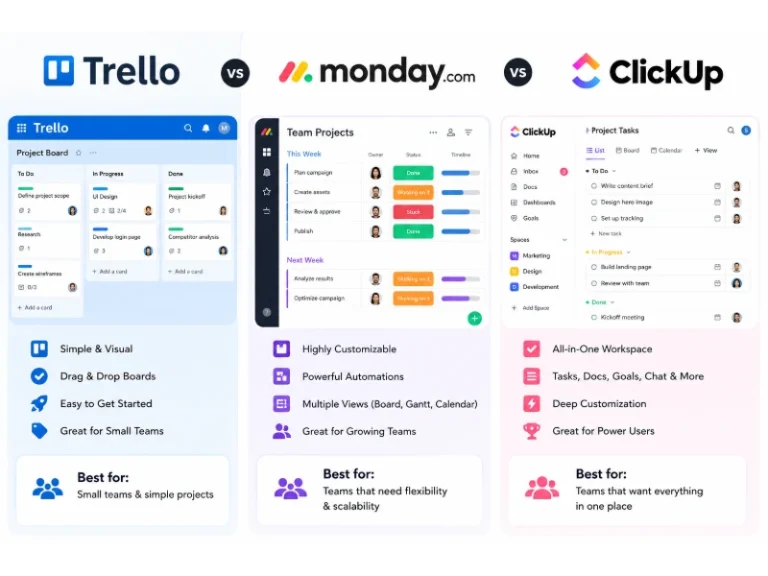
SaaSTrello vs monday.com vs ClickUp: Which Project Management Tool Fits Your Team in 2026?
 SaaS
SaaS8 Best Asana Alternatives in 2026: Free Tools, Top Competitors, and How to Choose
 Software