


Short answer? Yes, a good VPN is genuinely safe to use, but only if you pick the right one and understand what it actually does. Most people assume a VPN turns them into a digital ghost. It doesn’t. It encrypts your traffic and hides your IP from your internet provider, which is huge, but it’s not a magic invisibility cloak.
Here’s the thing. I’ve been using VPNs personally and recommending them to clients since around 2019, and the gap between marketing promises and reality is wider than most reviews admit. Some VPNs are excellent. Some are quietly dangerous. And a lot of people are using them in ways that cancel out the protection they paid for.
So let’s go through this properly. We’ll cover whether you can still be tracked, what VPNs actually protect you from, the mistakes I see all the time, and whether they’re worth it for gaming and streaming in 2026.
What a VPN Actually Does
A VPN, or Virtual Private Network, creates an encrypted tunnel between your device and a server somewhere else in the world. Your internet provider sees that you’re connected to that server, but not what you’re doing. Websites you visit see the server’s IP address, not yours.
That’s it. That’s the whole magic trick.
It’s a bit like sending mail through a forwarding service. The post office knows you mailed something. The recipient knows it came from the forwarding address. But the contents stay private, and the chain between sender and receiver is broken.
According to Security.org’s 2026 research, roughly 1.75 billion people worldwide use VPNs, and about 42% of Americans now use one regularly. That’s a massive jump from a decade ago when VPNs were mostly a tech-crowd thing.
So, Is a VPN Safe? The Honest Answer
In most cases, yes. A reputable, audited VPN is safer than no VPN, especially on public Wi-Fi or shaky hotel networks. But “safe” depends entirely on who’s running the service.
Here’s where it gets messy. A VPN provider can technically see everything your ISP would have seen. So you’re not removing the middleman, you’re just swapping one for another. The question becomes: do you trust your VPN company more than your ISP?
For paid, audited providers like Proton VPN, NordVPN, and ExpressVPN, the answer is usually yes. They’ve all passed multiple independent no-logs audits in 2025, meaning third parties verified they don’t store records of what you do online.
For free VPNs, the answer is often a hard no. More on that in a minute.
Quick Definition
A VPN is safe when it uses strong encryption (AES-256 or ChaCha20), follows an independently audited no-logs policy, is based in a privacy-friendly country, and doesn’t leak your real IP through DNS or WebRTC. Free VPNs and unaudited providers carry real privacy risks and should generally be avoided.
Can You Still Be Tracked While Using a VPN?
Yes, you absolutely can. This is the part nobody on TikTok talks about.
A VPN hides your IP address, but tracking in 2026 has moved way beyond IPs. Here’s what still gives you away:
- Browser fingerprinting. Sites read your screen size, fonts, timezone, plugins, and OS. Combined, these create a near-unique signature.
- Cookies and trackers. If you’re logged into Google, Facebook, or Amazon, they know it’s you regardless of your IP.
- Account behavior. Bank logins, shopping habits, typing patterns. All trackable.
- GPS and Wi-Fi signals on mobile. Your phone broadcasts location data through other channels.
- DNS leaks. A poorly configured VPN may still send DNS queries through your ISP.
A Reddit user in r/VPN put it bluntly: “A VPN masks your IP but sites can still use Wi-Fi signals, GPS or browser fingerprinting to pinpoint you unless you disable those.” That matches what I’ve seen in tests. Run a VPN, then visit amiunique.org, and you’ll probably still be identifiable.
So if you want real anonymity, a VPN is one layer, not the whole stack. You’d also need a privacy-focused browser (like Brave or hardened Firefox), tracker blockers, and cleaner browsing habits.
The Free VPN Problem (A Real Warning)
I’ll be blunt. Most free VPNs are not your friend.
A 2024 study published in ScienceDirect examined 21 VPN applications and found that several leaked credentials directly from system memory. Zimperium’s mobile research team found in 2025 that many free VPN apps suffer from “weak encryption, data leakage, or dangerous permission requests.”
What usually happens is this: the free VPN sells your browsing data to advertisers, injects ads into your traffic, or in worse cases, uses your device as an exit node for someone else’s traffic. You become part of a botnet without knowing it.
If you remember nothing else from this article, remember this: if you’re not paying for the product, you probably are the product. That’s especially true for privacy tools.
VPN Safety: What It Protects vs. What It Doesn’t
| Threat | Does a VPN Help? |
|---|---|
| ISP tracking your browsing | Yes |
| Public Wi-Fi snooping | Yes |
| Hiding your location from websites | Yes (partial) |
| Geo-blocking on streaming | Usually yes |
| Government surveillance | Sometimes, not always |
| Malware and viruses | No |
| Phishing emails | No |
| Browser fingerprinting | No |
| Cookies and account tracking | No |
| Someone with physical access to your device | No |
A VPN is a privacy tool, not a security suite. You still need antivirus software, common sense, and a password manager.
Is a VPN Worth It for Gaming?
Funny enough, this is where I get the most pushback. Gamers assume any VPN ruins their ping. Sometimes that’s true. Sometimes it’s the opposite.
From what I’ve seen testing on Apex, Valorant, and CS2, a VPN can actually help in a few specific cases:
- You’re getting ISP throttling. Some providers (looking at you, certain US cable companies) deprioritize gaming traffic. A VPN hides it.
- You’re stuck in a bad matchmaking region. Connecting through a closer server can give you better matches.
- You’re dealing with DDoS attacks. This actually matters in competitive games where streamers get targeted.
- You want to play with friends overseas. A VPN can drop you into their region.
That said, adding a VPN adds latency. There’s no way around physics. If your gaming server is 20ms away and your VPN adds 15ms, you’re now at 35ms. For casual play, fine. For ranked Valorant, painful.
ProtonVPN, NordVPN, and ExpressVPN tend to test well for gaming because of their WireGuard-based protocols. Free VPNs? Don’t even try. The lag is brutal and the IP ranges are often blocked by game publishers anyway.
Is a VPN Safe for Streaming Netflix, Hulu, and Disney+?
Yes, and it’s probably the single most common reason people sign up. About two-thirds of paid VPN users in Security.org’s 2025 consumer report mentioned streaming and privacy as top use cases.
Here’s the practical reality:
- Netflix US has the biggest library. A VPN lets European readers tap into it.
- BBC iPlayer is region-locked to the UK. US travelers use VPNs to keep watching.
- Disney+, HBO Max, and Hulu all behave differently depending on the country.
Streaming services do try to block known VPN IP ranges. The bigger paid providers (Nord, Express, Surfshark, Proton) rotate IPs frequently to stay ahead. Smaller VPNs often can’t.
Is it legal? In the US and most of Europe, yes. You might technically violate the streaming service’s terms of use, but it’s not a criminal matter. Just don’t expect Netflix to fight your case if they suspend your account.
Where VPNs Are Illegal or Restricted
This catches travelers off guard all the time. A VPN is legal in the US, UK, Canada, Australia, and the entire EU. But not everywhere.
According to Security.org and CyberGhost’s 2026 legality guide, VPNs are restricted or banned in:
- China (only government-approved VPNs allowed)
- Russia (use is technically legal but advertising and unapproved providers are banned)
- Iran
- North Korea
- Turkmenistan
- Belarus
- Iraq
- Myanmar
- UAE (heavy restrictions, fines apply for certain uses)
- Oman
If you’re traveling to any of these, install your VPN before you arrive. App stores in those countries often block VPN downloads.
Common Mistakes I See All the Time
Look, most people sign up for a VPN and then use it wrong. Here’s what to avoid.
Leaving the kill switch off. If your VPN connection drops for even a second, your real IP leaks. The kill switch blocks all traffic until the tunnel is back. Turn it on. Every time.
Using the same server forever. Some folks connect to “United States – New York” and stay there for two years. That static IP starts looking suspicious to fraud detection systems. Rotate occasionally.
Logging into Google with the VPN on. You just told Google exactly who you are. The VPN protected nothing in that session.
Trusting “military-grade encryption” marketing. That phrase is meaningless. What matters is the protocol (WireGuard, OpenVPN, IKEv2) and the cipher (AES-256 or ChaCha20). Both are standard, neither is exotic.
Picking a VPN based on price alone. A $1.99/month VPN with 200 servers and no audit is a red flag, not a deal.
Ignoring the jurisdiction. A VPN based in the US, UK, or any “Five Eyes” country can technically be served with surveillance orders. Providers in Switzerland (Proton), Panama (Nord), or the British Virgin Islands (Express) are usually preferred for serious privacy.
Practical Tips From Years of Using VPNs
A few things I wish someone had told me earlier:
- Run a leak test at ipleak.net after setting up your VPN. If you see your real IP or DNS, fix it before you do anything else.
- Pay annually, not monthly. The discount is usually 60-70% and you’ll actually use it.
- Use split tunneling for banking apps. Your bank will lock your account if you log in from “Romania” one day and “California” the next. Route banking through your real IP.
- Don’t use the VPN’s browser extension as your main protection. Those only encrypt browser traffic, not the whole system.
- If you care about privacy, pair the VPN with a privacy-respecting DNS like Quad9 or Cloudflare’s 1.1.1.1.
How to Tell if a VPN Is Actually Safe
Quick checklist. If a VPN can tick most of these, it’s probably trustworthy.
- Has it passed an independent no-logs audit in the last 18 months?
- Does it use WireGuard or OpenVPN with AES-256 / ChaCha20?
- Does it offer a working kill switch on all platforms?
- Is the parent company transparent about ownership?
- Is it based outside surveillance-heavy jurisdictions?
- Does it accept anonymous payment (crypto or cash)?
- Does it run RAM-only servers (so nothing can be physically seized)?
Anything scoring 6 is generally solid.
Quick Takeaways
- A good VPN is safe and worth using, but it’s not a privacy magic wand.
- Free VPNs often sell your data. Avoid unless the provider is reputable (Proton’s free tier is the rare exception).
- You can still be tracked through fingerprinting, cookies, and logged-in accounts.
- For gaming and streaming, paid VPNs with WireGuard perform best.
- Always turn on the kill switch and test for leaks after setup.
Frequently Asked Questions
Can my employer see I’m using a VPN on my home network?
If you’re on your personal Wi-Fi with your own devices, no. But if you’re using a company laptop or connected to a corporate VPN already, your IT team can almost certainly see the secondary VPN connection or block it entirely. Many VPN IP ranges are known and flagged.
Does a VPN make my internet slower?
Almost always, yes, but often only by 5-15% on a good provider. The encryption and the extra hop to the server cost a little speed. If you’re seeing 50% slowdowns, you’re either on a bad server, a free VPN, or a flaky protocol. Switch to WireGuard and pick a closer server.
Will using a VPN get me in trouble with my bank or PayPal?
Possibly. Banks flag logins from unusual locations as fraud risk. PayPal in particular has been known to freeze accounts when they detect VPN usage. The fix is split tunneling, which lets you route banking apps through your normal connection while everything else uses the VPN.
Is it safer to use a VPN on my phone or my computer?
Both, ideally. But mobile is often the bigger blind spot. According to SQ Magazine’s 2026 data, about 67% of VPN sessions now happen on mobile, yet mobile VPN apps have historically been the buggiest with the most leaks. Pick a provider with audited iOS and Android apps, not just desktop.
Can a VPN protect me from ransomware or phishing?
No, not really. A VPN encrypts your connection but it can’t tell that the email you just opened is a scam or that the file you downloaded is malware. Some premium VPNs (NordVPN’s Threat Protection, Proton’s NetShield) add basic malicious-domain blocking, but that’s not the same as antivirus. Pair your VPN with proper security software.
Why did VPN usage drop in 2025?
Interestingly, Security.org’s 2025 study found VPN usage in the US fell from 46% in 2024 to 32% in 2025. The likely reasons: cheaper privacy features now built into browsers (like Apple’s Private Relay and Firefox’s tracking protection), better default encryption across the web, and growing distrust of VPNs that have been caught logging despite their marketing claims. The market hasn’t died, it’s just maturing.
Final Thoughts
Honestly, the question isn’t really “is a VPN safe?” The question is “is this specific VPN safe, and am I using it correctly?”
A trusted, audited paid VPN from a transparent company, used with the kill switch on and reasonable browsing habits, is one of the best $4-a-month upgrades you can make to your online privacy. It won’t make you anonymous, but it’ll absolutely make you harder to surveil, easier to keep safe on public Wi-Fi, and freer to watch what you want.
The bad VPNs out there give the whole category a rough reputation. Stick with the audited ones, ignore the flashy free apps, and you’ll be fine.
Disclaimer: This article was compiled from multiple trusted sources and reflects general information available at the time of writing (2026). VPN legality, provider policies, and security audits change frequently. For advice specific to your jurisdiction, business needs, or threat model, consult a qualified cybersecurity professional.
You May Also Like
 VPN & Proxy
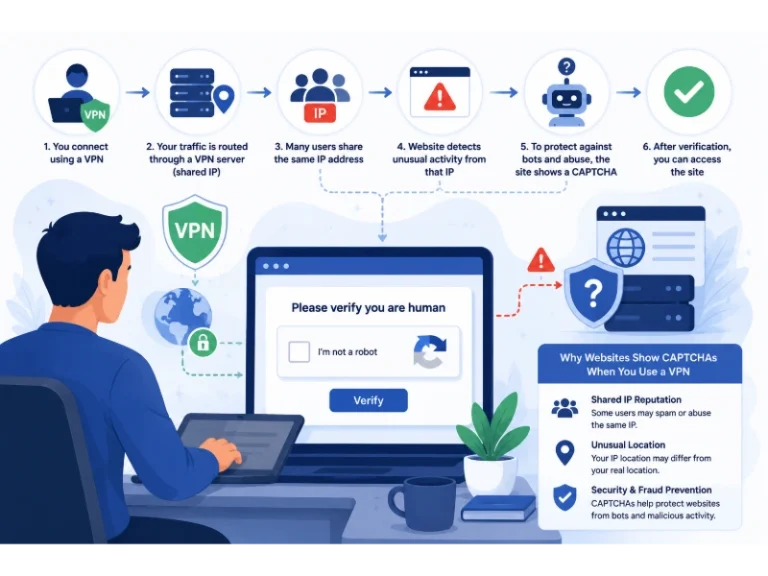
Why Do CAPTCHAs Appear When You Use a VPN?
 VPN & Proxy
Why Does Google Say Our Systems Have Detected Unusual Traffic From Your Computer Network?
 VPN & Proxy
How to Block Ads on Pinterest: A Simple Guide
 VPN & Proxy
10 Best VPNs for California in 2026: Privacy, Speed, and Security
 VPN & Proxy
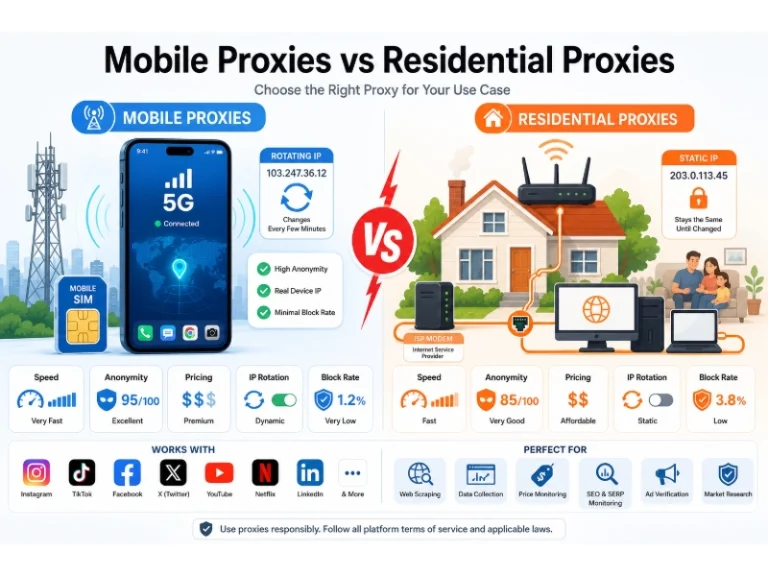
Mobile Proxies vs. Residential Proxies: Differences, Costs, and Use Cases
 VPN & Proxy
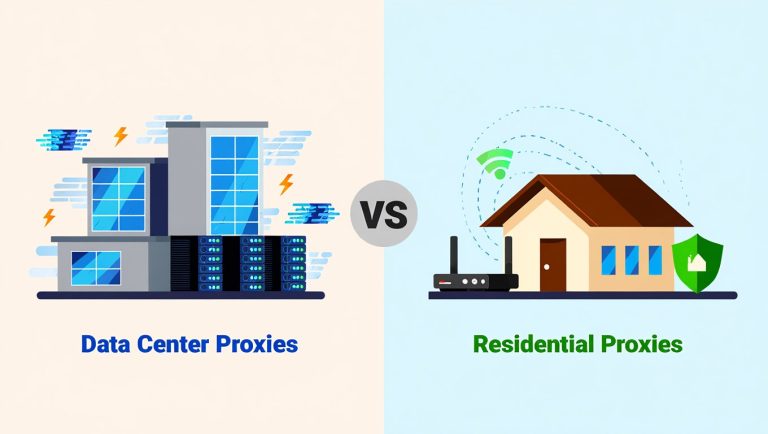
Datacenter vs. Residential Proxies: Differences, Costs, and Use Cases
 Web Scraping
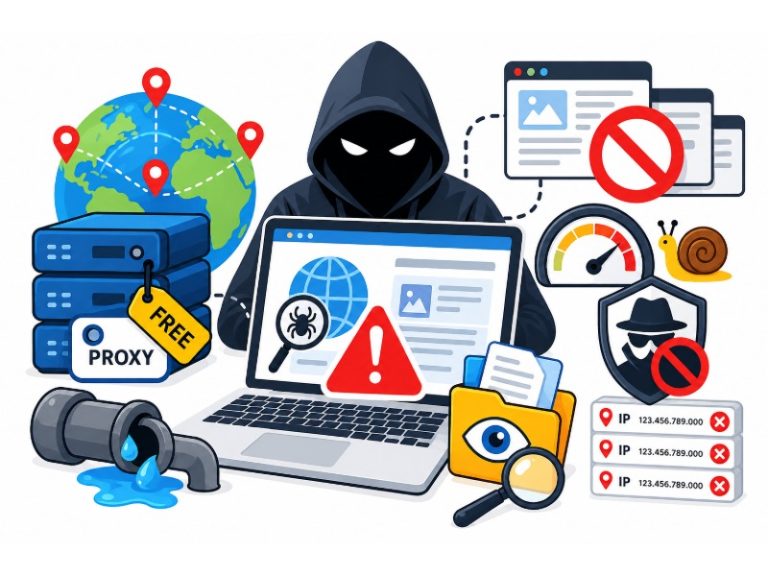
Reasons Why You Should Avoid Using Free Proxies For Web Scraping
 Web Scraping
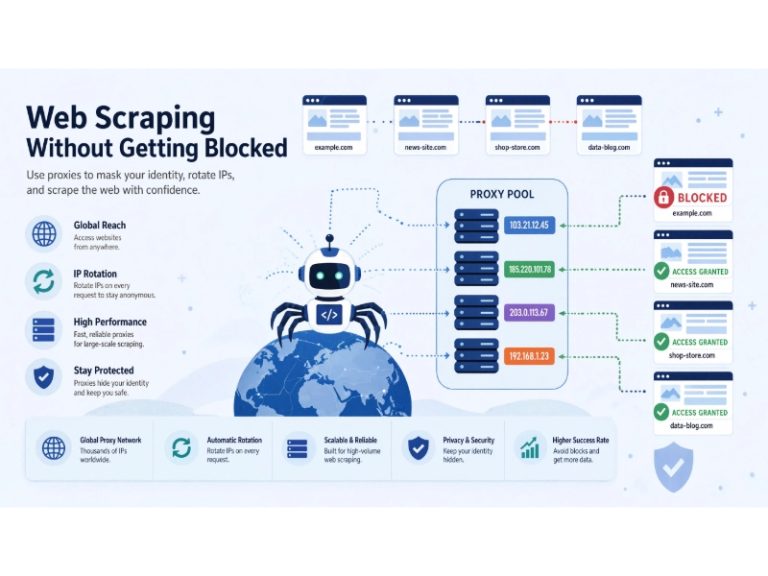
How to Use Proxies for Web Scraping Without Getting Blocked
 VPN & Proxy