


B2B lead generation software is a category of technology designed to automate and streamline the process of identifying, attracting, and qualifying potential business customers. These tools help sales and marketing teams find companies and contacts that match their ideal customer profile (ICP), gather accurate contact information, detect buying signals, and route high-quality leads directly into the sales pipeline for engagement.
Key Takeaways
- Definition: B2B lead generation software automates finding, qualifying, and routing potential business customers who match a company’s ideal client profile.
- Core Function: It replaces manual prospecting with efficient, data-driven workflows, saving time and increasing the volume of qualified leads.
- AI’s Impact: Artificial intelligence is central to modern tools. Vendors and industry surveys widely report gains such as more sales-ready leads and lower customer acquisition costs, though exact figures vary by source and methodology.
- Key Types: The software landscape includes sales intelligence platforms, marketing automation tools, email finders, Account-Based Marketing (ABM) software, and lead capture tools.
- Major Benefits: Top advantages include improved sales efficiency, higher lead quality through better targeting, shorter sales cycles, and enhanced personalization at scale.
- Market Growth: Market research firms put the B2B lead generation software market anywhere from roughly $3 billion to over $10 billion in 2024, depending on how the category is scoped — reflecting its critical and growing role in modern sales and marketing.
- Selection Criteria: Choosing the right tool involves defining your ICP, assessing needs (inbound vs. outbound), ensuring CRM integration, and evaluating data quality.
Companies that effectively use marketing automation within their B2B lead generation software stack are often cited as seeing dramatically more qualified leads than those sticking to purely manual methods — a stat (451% more) that traces back to older Annuitas Group research and still circulates widely today. This isn’t just a minor improvement; it’s a fundamental shift in how sales pipelines are built. For years, my team and I relied on spreadsheets, manual LinkedIn searches, and endless cold calls. The process was not only draining but also incredibly inefficient. We spent more time searching for people to talk to than actually talking to them. The transition to a dedicated lead generation platform felt like turning the lights on in a dark room. Suddenly, we had access to verified contact data, intent signals showing us who was already interested, and automation that handled the initial outreach.
This guide breaks down exactly what B2B lead generation software is, how it works, the different types available, and how to choose the right solution for your business. We’ll explore everything from lead prospecting software and sales intelligence platforms to the AI lead generation software that is reshaping the industry in 2026. In other words, this is the deep dive I wish I had when I first started exploring these powerful business development tools. It’s about moving from a mindset of “who can we find?” to “who should we be talking to right now?” If you want a rundown of specific vendors rather than the category overview, our roundup of top B2B lead generation software is a good next stop.
What is B2B Lead Generation Software?

At its core, B2B lead generation software is a technology platform that automates the entire top-of-funnel sales process. Its primary job is to find and qualify potential customers that fit your company’s Ideal Customer Profile (ICP), identify signals that they might be ready to buy, and deliver their verified contact information directly into your sales team’s workflow, often via CRM integration.
Basically, it’s the engine that powers modern B2B sales and marketing. Instead of relying on manual research, guesswork, or outdated lists, these platforms use massive datasets and intelligent algorithms to build a predictable pipeline of potential deals. This category encompasses a wide range of tools, from simple email finder tools to complex sales intelligence platforms that provide deep insights into target accounts. The ultimate goal is to make the process of business lead generation more efficient, targeted, and scalable.
How Does B2B Lead Generation Software Work?
B2B lead generation software works by aggregating vast amounts of data, using filters to identify ideal prospects, enriching that data with contact and company details, scoring leads based on their potential, and integrating seamlessly with a CRM. This transforms raw data into actionable sales opportunities through a structured, automated process.
The “magic” of these platforms lies in a multi-step workflow that happens behind the scenes:
- Data Aggregation and Analysis: The software scours millions of sources, including company websites, social media profiles (especially LinkedIn), news articles, press releases, and public databases, to collect firmographic data (company size, industry, revenue) and demographic data (job title, seniority).
- ICP and Intent Filtering: You define your Ideal Customer Profile (ICP) within the software. The platform then filters its massive database to surface only the companies and contacts that match your criteria. More advanced sales intelligence software also tracks intent data — digital signals that indicate a company is actively researching a product or service like yours.
- Data Enrichment and Verification: Once a potential lead is identified, the software enriches the profile with crucial information like verified email addresses, direct-dial phone numbers, and reporting structures. This step is critical for ensuring your sales team doesn’t waste time on bad data.
- Lead Scoring and Qualification: Many platforms use AI to score leads based on how closely they match your ICP and their level of engagement or buying intent. This lead qualification software helps sales teams prioritize the hottest prospects first.
- Workflow Integration and Automation: The final step is delivering these qualified leads directly into your team’s existing workflow. This usually means seamless CRM integration, allowing reps to access new leads within Salesforce, HubSpot, or other platforms without manual data entry. Some sales automation software can even enroll these new leads into automated email sequences — worth pairing with a solid email marketing strategy so the nurture sequence actually lands.
Key Types of B2B Lead Generation Tools and Platforms
The landscape of B2B lead generation tools is diverse, with different platforms specializing in various parts of the sales and marketing funnel. Understanding these categories helps you build a tech stack that covers your specific needs, from finding new accounts to nurturing inbound interest.
Here are the main types of B2B growth tools you’ll encounter:
- Sales Intelligence & Contact Database Software: These are the heavy hitters. Platforms like ZoomInfo, Lusha, and Cognism provide massive, searchable databases of company and contact information. They are the go-to lead prospecting software for outbound sales teams looking to build targeted lists from scratch. Some teams also lean on Salesforce’s own modules to manage this data once it lands in the CRM.
- Marketing Automation Tools: This category, which includes tools like HubSpot and Marketo, focuses more on inbound lead generation. They excel at lead capture through forms and landing pages, lead nurturing through automated email campaigns, and scoring leads based on their engagement with your content. Companies using these tools are frequently cited as generating substantially more qualified leads than manual approaches, per the widely-circulated Annuitas figure mentioned above.
- Account-Based Marketing (ABM) Software: ABM platforms like 6sense and Demandbase are built for a more targeted approach. Instead of casting a wide net, they help marketing and sales teams identify and engage a select list of high-value target accounts. This strategy has become a cornerstone of the broader B2B lead generation software market, which market researchers estimate at several billion dollars in 2024 and growing at a healthy double-digit clip.
- Email Finder and Verification Tools: These are more specialized B2B prospecting tools focused on one thing: finding and verifying email addresses. Tools like Hunter and Voila Norbert are lightweight solutions perfect for teams that just need to enrich existing lists with accurate contact data — useful groundwork before running any B2B email outreach campaign.
- Lead Capture & Nurturing Software: This group includes website chat tools, pop-up form builders, and chatbot platforms. AI-powered chatbots are increasingly common for engaging website visitors in real time and capturing leads efficiently, similar in spirit to how AI-driven HR chatbots have taken over first-touch conversations in other departments. They can meaningfully reduce engagement costs compared to staffing live chat with humans around the clock.
What are the Core Benefits of Using B2B Sales Software?
The primary benefits of adopting B2B sales software are a dramatic increase in operational efficiency, a higher quality of leads filling the pipeline, and a significant acceleration of the overall sales cycle. These platforms empower teams to focus their energy on selling rather than on manual, repetitive prospecting tasks.
Let’s break down the tangible advantages I’ve seen firsthand:
- Massive Efficiency Gains: The most immediate benefit is the time saved. Automation handles the research, data entry, and even initial outreach that used to consume countless hours. This directly translates to more time spent on valuable activities like demos, negotiations, and closing deals — the same efficiency logic behind adopting any good work management software for a growing team.
- Higher Lead Quality: By using precise filters and AI-driven scoring, you ensure the sales team only engages with prospects who are a good fit. Industry surveys commonly report meaningful boosts to sales-ready lead volume when AI scoring is introduced, though the exact percentage varies by study. Your team spends less time disqualifying bad leads and more time converting good ones.
- Shorter Sales Cycles: When you can identify companies showing buying intent and reach the right decision-makers on the first try, you naturally shorten the time it takes to close a deal. You’re entering the conversation at the right moment with the right person.
- Data-Driven Decision Making: These platforms provide invaluable market insights. You can analyze which industries, company sizes, or job titles convert best and refine your strategy accordingly. This moves your sales approach from one based on intuition to one based on hard data.
- Enhanced Personalization at Scale: With rich data at your fingertips, you can personalize outreach far beyond just a name and company. You can reference their tech stack, recent company news, or specific pain points, making your outreach far more effective. Generative AI is now commonly used by B2B marketers to help with this kind of dynamic content tailoring, a trend that mirrors how generative AI is powering process automation more broadly.
How to Choose the Best B2B Lead Generation Software for Your Business
Choosing the best B2B lead generation software requires a clear understanding of your ideal customer, your team’s specific workflow needs, your existing technology stack, and your budget. There is no single “best” platform for everyone; the right choice is the one that aligns most closely with your unique business goals and processes.
Before you start scheduling demos, work through this checklist to narrow down your options:
- Clearly Define Your Ideal Customer Profile (ICP): What are the firmographics (industry, size, location, revenue) and demographics (job title, seniority) of your best customers? The more specific you are, the better you can evaluate if a platform’s database has good coverage for your target market.
- Assess Your Primary Need: Are you focused on outbound sales and need a powerful contact database? Or is your priority inbound lead generation and nurturing? Perhaps you’re implementing an Account-Based Marketing strategy. Your primary goal will dictate which category of software to focus on.
- Prioritize CRM Integration: Your lead generation tool must connect seamlessly with your CRM. Poor integration creates manual work, leads to data silos, and kills user adoption. Confirm that the software has a robust, native integration with the CRM your team already uses — or consider whether a flexible option like Notion as a CRM fits smaller teams better.
- Evaluate Data Accuracy and Scope: This is arguably the most important factor. Ask vendors about their data verification process. How often is information refreshed? What is their guaranteed accuracy rate for emails and phone numbers? Use a free trial to test the data quality in your specific niche.
- Consider User Experience (UX): A powerful tool is useless if your team finds it clunky or difficult to use. The platform should be intuitive and easily fit into your sales reps’ daily routines, much like a well-chosen project management tool for small teams should reduce friction rather than add to it.
- Analyze Pricing and ROI: B2B sales software can be a significant investment. Model the potential return on investment. Consider how many deals you would need to close to cover the cost. Look at pricing tiers and ensure the plan you choose provides the features you need without forcing you to pay for ones you don’t.
The Rise of AI and Automation in B2B Prospecting Tools
Artificial intelligence and automation are no longer just buzzwords; they are the fundamental drivers of the most effective modern B2B lead generation solutions. AI has transformed prospecting from a numbers game into a more precision-targeted strategic function, with vendors reporting better leads at a lower cost — though the specific percentages you’ll see cited (reductions in acquisition cost, increases in lead volume) come from vendor-commissioned studies and should be treated as directional rather than universal benchmarks.
Here’s how AI is making a difference:
- Predictive Lead Scoring: AI algorithms analyze thousands of data points from your historical sales data to identify the common characteristics of converted customers. The software then scores new leads based on how closely they match this success profile, allowing sales to focus on the most promising opportunities.
- Generative AI for Personalized Outreach: Generative AI is now widely used to craft personalized emails and messages. By analyzing a prospect’s LinkedIn profile, company news, and job description, AI can generate relevant, context-aware outreach intended to increase response rates.
- Real-Time Intent Data Analysis: AI engines monitor the web for buying signals. They can identify when a target account is suddenly researching your competitors, reading articles about a problem you solve, or posting relevant job openings. This allows your team to engage with better timing.
- Automated Lead Capture with Chatbots: As mentioned earlier, AI-powered chatbots are a mainstream tool for capturing leads around the clock. They can qualify visitors, book meetings, and route conversations to the right sales rep with minimal human intervention — a shift that raises the same broader question explored in will AI replace customer service?
Conclusion
In 2026, relying on manual methods for B2B lead generation is no longer a viable strategy for growth. The market is too competitive, and buyers are too sophisticated. B2B lead generation software has become an essential component of the modern sales and marketing tech stack, providing the data, automation, and intelligence needed to build a predictable and scalable revenue engine. From sales intelligence platforms that uncover new markets to AI-powered tools that predict a buyer’s next move, these solutions empower teams to work smarter, not just harder.
If you’re still managing your prospecting on spreadsheets, your first step is to audit your current process. Identify the biggest time sinks and bottlenecks. From there, solidify your ICP and begin researching a few platforms that specialize in your primary need, be it outbound prospecting, inbound nurturing, or targeted ABM — you may also find that a broader ERP platform like Odoo or existing tools like Asana already cover adjacent parts of the workflow. The right B2B sales software doesn’t just find you more leads; it finds you the right leads at the right time, fundamentally changing your path to growth. And once the leads start arriving, don’t overlook the content side of the funnel — optimizing your site for featured snippets is one of the more overlooked ways to keep inbound interest flowing alongside your outbound efforts. For a broader look at tools that support the sales motion itself, see our guide to software solutions that increase sales.
Frequently Asked Questions (FAQ)
What is the main purpose of B2B lead generation software?
The main purpose is to automate and scale the process of finding, qualifying, and engaging potential business customers, making sales and marketing efforts more efficient and effective.
How is B2B lead generation different from B2C?
B2B lead generation involves longer sales cycles, larger deal sizes, and decisions made by a committee rather than an individual. The software is designed to handle this complexity by focusing on account-level data, job titles, and business needs.
What is the difference between lead generation and demand generation?
Lead generation is the process of capturing interest and contact information from potential customers. Demand generation is a broader strategy focused on creating awareness and interest in your company’s product or service across your entire target market.
Can small businesses use B2B lead generation software?
Yes, absolutely. Many platforms offer scalable pricing plans designed for small businesses, and even lightweight tools like email finders can provide a significant return on investment for smaller teams.
What is CRM integration and why is it important?
CRM integration is the process of connecting your lead generation software to your Customer Relationship Management (CRM) system (like Salesforce or HubSpot). It’s crucial because it automates data entry and ensures a seamless flow of information between your marketing, sales, and service teams.
How much does B2B lead generation software cost?
Costs vary widely, from around $50 per month for simple tools to thousands of dollars per month for enterprise-level sales intelligence platforms. Pricing is typically based on the number of users, features, and data credits.
What is an Ideal Customer Profile (ICP)?
An ICP is a detailed description of a hypothetical company that would get the most value from your product or service. It includes firmographic data like industry, company size, revenue, and location, and is used to target prospecting efforts.
Is LinkedIn a B2B lead generation tool?
Yes, LinkedIn, particularly its Sales Navigator platform, is one of the most powerful B2B lead generation tools available. Most contact database software integrates heavily with LinkedIn, which surveys consistently rank as one of the top-used platforms for B2B lead generation.
You May Also Like
 Software
9 Best Free Laser Engraver Software Tools in 2026
 Web Development
Supabase vs Firebase: Which Backend Platform is Right for Your Project?
 Software
When Fixing Bugs Is No Longer Enough: How to Rescue a Failing Software Project
 Web Development
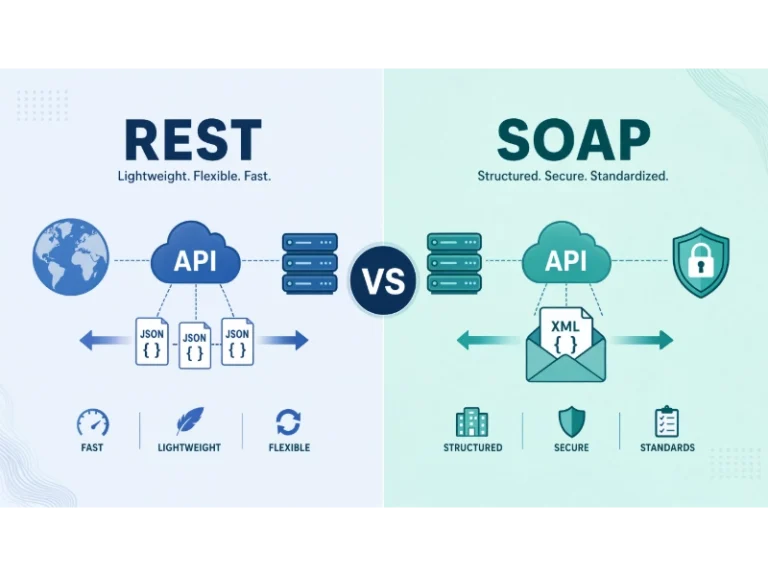
REST API vs SOAP API: Differences, Pros & Cons, and Use Cases
 Web Development
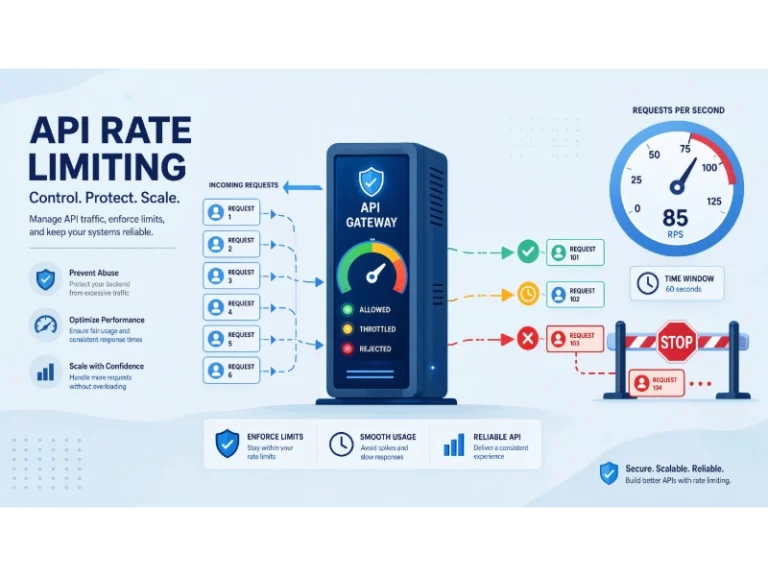
What Is API Rate Limiting? (A Practical, Simple Guide for Safer, Faster APIs)
 SaaS
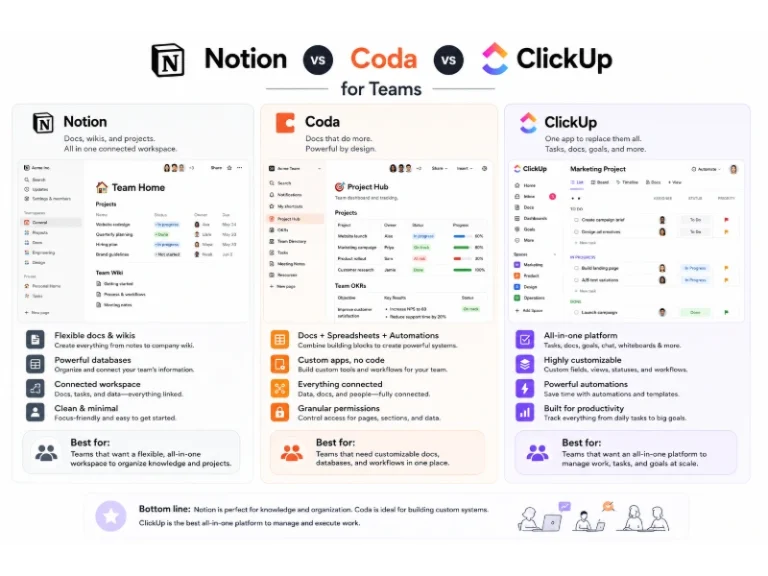
SaaSNotion vs Coda vs ClickUp for Teams: A Field Report From 18 Months
 SaaS
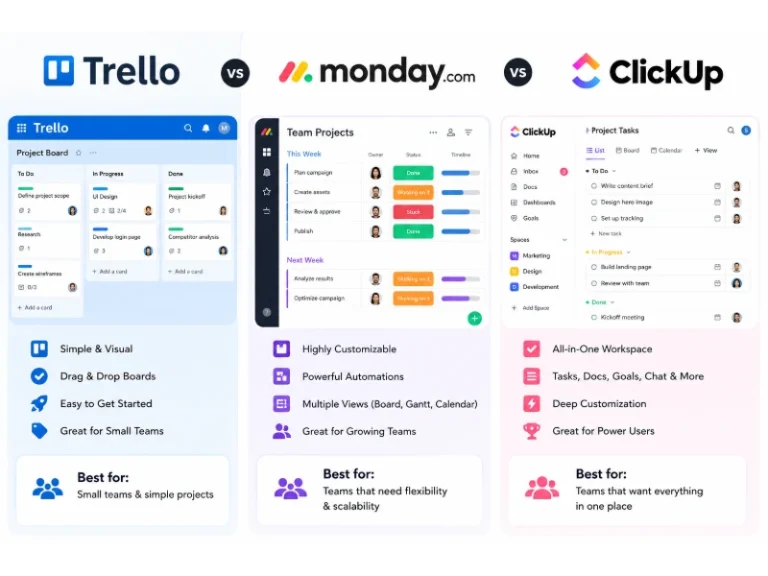
SaaSTrello vs monday.com vs ClickUp: Which Project Management Tool Fits Your Team in 2026?
 SaaS
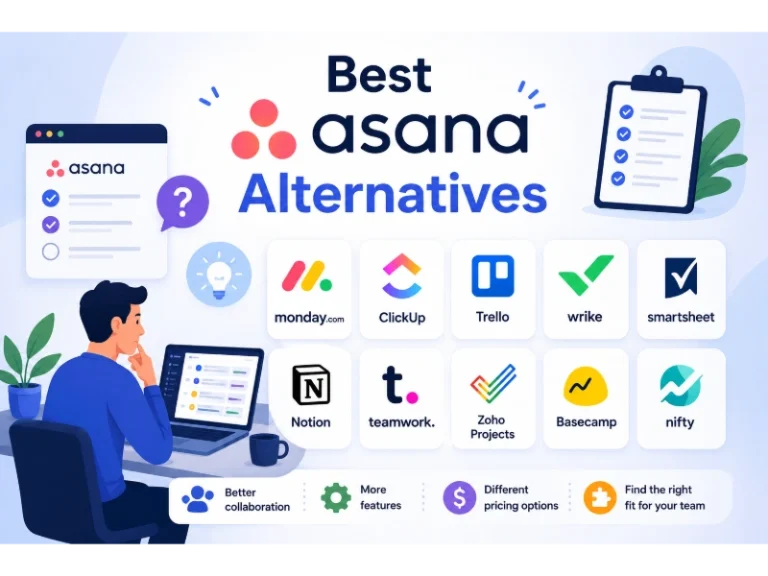
SaaS8 Best Asana Alternatives in 2026: Free Tools, Top Competitors, and How to Choose
 Software