
Forbes Connections has become a daily habit for millions of puzzle lovers worldwide. This word association game challenges your brain to find hidden connections between 16 words, grouping them into four categories. Every day brings a fresh puzzle that tests your vocabulary, pattern recognition, and logical thinking skills.
The game sounds simple at first. You see 16 words on your screen and need to sort them into four groups of four words each. But here’s the catch – the connections can be tricky. Sometimes words fit multiple categories, leading you down wrong paths. Other times, the connection is so subtle you might miss it entirely. That’s why many players look for hints to nudge them in the right direction without spoiling the fun.
This guide helps you understand Connections better, improve your solving skills, and know where to find helpful hints when you’re stuck. You’ll learn strategies that top players use, common patterns that appear frequently, and how to approach puzzles systematically. Whether you’re a beginner struggling with your first puzzle or an experienced player aiming for perfect streaks, you’ll find practical advice here.
What Is Forbes Connections and How Does It Work
Forbes Connections is a daily word puzzle game where you organize 16 words into four groups of four words that share something in common. Each group has a specific theme or connection that links all four words together.
The game presents all 16 words at once on a simple grid. You select four words you think belong together and submit your guess. If you’re right, those words disappear and change to show the category name. If you’re wrong, you lose one of your four allowed mistakes. Make four wrong guesses and the game ends, showing you the correct answers.
Here’s what makes Connections challenging and fun:
- Multiple meanings – Many words could fit into more than one category based on different interpretations
- Difficulty levels – The four categories have increasing difficulty marked by colors: yellow (easiest), green (medium), blue (harder), and purple (hardest)
- Word associations – Connections might be based on meanings, sounds, prefixes, parts of phrases, or abstract relationships
- Time pressure – While not timed, you only get four mistakes before the puzzle ends
- Daily format – One new puzzle appears each day, creating a routine for regular players
The game gained massive popularity because it hits a sweet spot. It’s harder than simple word searches but more accessible than crosswords. You don’t need obscure vocabulary knowledge, just the ability to see patterns and think flexibly. Completing a puzzle gives you a genuine sense of accomplishment, especially when you solve the tricky purple category that stumps most people.
Forbes created Connections to engage readers with interactive content beyond articles. The puzzle lives on the Forbes website and attracts millions of daily visitors. Unlike some online games, Connections doesn’t require apps, subscriptions, or complicated logins. You just visit the page and start playing.
Many players compare Connections to Wordle, another viral daily word game. Both give everyone the same puzzle each day, creating shared experiences people discuss on social media. Both limit your attempts, making each guess feel meaningful. The main difference is that Connections requires seeing multiple relationships at once rather than guessing individual letters.
The social aspect drives much of the game’s appeal. Players share their results showing how many mistakes they made without spoiling answers. Friends compete to solve puzzles with fewer errors. Online communities form where people discuss strategies and debate whether certain groupings were fair. This daily shared challenge creates connection between players, fitting the game’s name perfectly.
Understanding the basic mechanics helps, but mastering Connections requires developing strategies for approaching each puzzle systematically. Just randomly grouping words rarely works, similar to how solving complex business problems requires structured approaches rather than guessing.

Smart Strategies for Solving Connections Puzzles
The best approach to Connections starts with identifying the easiest category first rather than jumping at the first connection you notice. This systematic method reduces mistakes and makes harder categories clearer.
Experienced players follow a specific process that works better than random guessing. Start by reading all 16 words carefully without trying to group them immediately. Let your brain process everything first. Often, patterns emerge after you’ve seen the complete set rather than fixating on the first few words.
Look for the most obvious connection first, which usually falls into these common patterns:
- Simple categories – Groups like “types of birds,” “colors,” or “months” where words clearly belong together
- Compound words – Words that combine with another word to make common phrases like “_ ball” or “_ house”
- Rhyming words – Words that sound alike even if spelled differently
- Word modifications – Words missing or adding letters, anagrams, or words with the same prefix/suffix
- Parts of phrases – Words that complete famous sayings, titles, or brand names
Start with yellow category difficulty. These connections should feel straightforward once you spot them. Don’t overthink the easy categories. If four words obviously go together, submit that group first. This clears the board and often makes remaining connections clearer.
Avoid these common mistakes that trip up even experienced players:
- Forcing connections – Don’t convince yourself four words relate just because you want them to
- Ignoring difficulty – Remember harder categories use trickier connections you might not see immediately
- Rushing guesses – Use all your thinking time before submitting, especially after one or two mistakes
- Missing wordplay – Connections often involve puns, homophones, or creative language use
- One-word fixation – Getting stuck on where one specific word belongs clouds your judgment about other groupings
When you’re stuck, try elimination strategies. If you’ve identified one strong group, remove those words mentally and look at the remaining 12. Sometimes seeing fewer words makes new patterns obvious. Cross out identified words on paper if that helps you focus.
Think about multiple meanings for each word. “Bark” could relate to dogs or trees. “Bass” might mean fish or musical instruments. “Spring” connects to seasons, water sources, or bouncing. The tricky categories often exploit these multiple interpretations, placing obvious meanings as red herrings while the real connection uses alternate meanings.
Consider the purple category last. This hardest group often involves abstract connections, creative wordplay, or obscure relationships. Once you’ve solved yellow, green, and blue categories, the final four words must be purple by elimination. Sometimes seeing what’s left reveals connections you wouldn’t have found otherwise.
Take breaks if you’re truly stuck. Stepping away and returning with fresh eyes often makes previously invisible patterns suddenly obvious. Your brain keeps processing in the background, similar to how problem-solving in technical fields benefits from breaks that allow new perspectives.
Pay attention to word length and capitalization. Proper nouns, brands, or specific phrases might indicate certain connection types. Single-syllable words might rhyme or form parts of longer compound words. Length patterns sometimes hint at categories even before you understand the connection.
Finding Reliable Connections Hints Today
Getting hints for today’s Connections puzzle requires knowing where to find helpful clues without completely spoiling the answer. Several reliable sources provide graduated hints that guide you without ruining the satisfaction of solving.
The official Forbes Connections page sometimes includes subtle hints in the puzzle description or title. These gentle nudges point you toward category themes without revealing exact groupings. Check any text surrounding the puzzle before looking elsewhere for help.
Dedicated puzzle hint websites offer structured help for daily Connections. These sites typically provide hints in stages:
- Category themes – General descriptions of what the four groups represent without naming specific words
- Starting letters – Initial letters of words in each category helping you narrow down options
- Word counts – How many words start with certain letters in specific categories
- Graduated reveals – Progressive hints getting more specific if earlier hints don’t help
- Full answers – Complete solutions available when you’re ready to give up or verify your solution
Popular sources for Connections hints include puzzle blogs, gaming websites, and dedicated Connections communities. Search for “Connections hint today” plus the current date to find fresh hints for the daily puzzle. Many sites update within hours of the new puzzle appearing.
Social media platforms host active Connections communities where players discuss daily puzzles. Reddit has multiple communities dedicated to word puzzles including Connections. Twitter and Facebook groups share hints and strategies. Be careful browsing these spaces if you want to avoid spoilers – people often share answers openly when discussing finished puzzles.
YouTube creators post daily Connections solve videos walking through their thought process. Watching someone else approach the puzzle reveals strategies and thought patterns you might not have considered. Pause the video when you want to try solving yourself, then resume if you need more help.
Choose your hint source based on how much help you want. Some players prefer minimal hints preserving the challenge, while others want direct answers after getting stuck. Good hint sources respect different preferences by offering multiple levels of assistance.
Timing matters when seeking hints. Try solving independently for at least 10-15 minutes before looking for help. This gives your brain time to work through patterns. Grabbing hints immediately after seeing the puzzle defeats the purpose of playing. Think of hints as training wheels you use while learning, not permanent crutches.
Be aware that hint quality varies between sources. Some websites provide helpful, accurate hints that genuinely guide you. Others give vague or misleading information that wastes your time. Stick with established puzzle sites and communities with good reputations for accuracy, similar to how you’d verify software download sources before trusting them.
Consider whether hints actually help your long-term puzzle skills. Using occasional hints when truly stuck teaches you new patterns and connection types. Relying on hints for every puzzle prevents you from developing independent solving abilities. Balance assistance with independent practice for steady improvement.
Common Connection Types You’ll See Repeatedly
Certain connection patterns appear frequently in Connections puzzles, and recognizing these common types speeds up your solving. Learning typical category structures helps you spot connections faster.
Simple categorical groupings form the foundation of many puzzles. These straightforward categories include things like types of furniture, countries in Asia, musical instruments, or sports terms. When you see several words that obviously belong to the same category, they likely form the yellow or green difficulty group.
Word completion connections require identifying words that pair with a missing word. For example: “rain,” “snow,” “thunder,” and “hail” all combine with “storm” to make compound words. These categories might involve words preceding or following the missing element. The blank could be at the beginning, middle, or end depending on the puzzle.
Phrase completion works similarly but with longer expressions. Words might be the first or last parts of famous sayings, movie titles, song lyrics, or common phrases. For instance: “American,” “Pipe,” “Fever,” and “Day” all precede “Dream” in well-known phrases. These connections require good cultural knowledge and memory of popular expressions.
Homophones and wordplay connections use words that sound like other words or involve creative language manipulation:
- Sound-alikes – Words that sound like different words when spoken aloud
- Rhyming words – Words sharing the same ending sounds
- Anagrams – Words that rearrange letters to spell other words
- Letter removal – Words that become other words when you remove specific letters
- Prefix/suffix sharing – Words starting or ending with the same letter combinations
Brand and pop culture connections group words relating to specific companies, celebrities, media franchises, or cultural phenomena. These might be character names from one TV show, products from one company, or terms associated with a specific celebrity. These categories require being culturally aware and often appear as harder blue or purple groups.
Double meaning connections exploit words with multiple definitions. The tricky part is that obvious meanings might be red herrings while the connection uses alternate definitions. For example, “spring,” “fall,” “season,” and “pepper” could connect as things you can do to food (spring = add bounce, fall = let drop, season = add flavor, pepper = add spice).
Synonym clusters group words with similar meanings but aren’t exact synonyms. These words might share connotative meanings or work in similar contexts. For example, words meaning “small amount” or words describing “loud sounds” might form a category even though each word has unique uses.
Sequential connections involve words representing ordered series like months, numbers spelled out, sizes (small to extra-large), or stages in processes. Spotting these patterns requires thinking about whether words might represent positions in sequences.
Visual and spelling patterns sometimes create categories. Words might all contain double letters, share unusual letter combinations, or be spelled similarly with one letter different. These connections rely on visual pattern recognition rather than meaning.
Understanding these common types makes you faster at recognizing possibilities. When you see a puzzle, mentally run through this list asking whether any patterns fit the words you’re seeing. This systematic checking process works better than waiting for inspiration to strike, similar to how systematic security approaches protect systems better than random measures.
Dealing With Difficult Purple Categories
The purple category represents the hardest connection in each puzzle, often involving abstract thinking, obscure knowledge, or extremely clever wordplay. Solving purple consistently requires different strategies than easier categories.
Purple categories deliberately try to confuse you. The puzzle designers save their trickiest connections for this final group. Words might seem unrelated until you discover the clever link holding them together. Sometimes the connection involves knowledge most people don’t have. Other times, it requires thinking about words in unexpected ways.
Common purple category patterns include:
- Extremely specific categories – Very narrow groupings like “words in the NATO phonetic alphabet” or “things named after famous scientists”
- Abstract relationships – Connections based on concepts rather than concrete categories
- Multi-step thinking – Words connecting through multiple layers of association
- Obscure cultural references – References to less mainstream media, history, or specialized knowledge
- Creative wordplay – Puns, unusual interpretations, or linguistic tricks requiring lateral thinking
Approach purple categories strategically. First, solve the three easier categories if possible. Knowing which 12 words belong to yellow, green, and blue means the remaining four must be purple by elimination. Sometimes seeing what’s left makes the obscure connection suddenly clear.
When the purple category isn’t obvious through elimination, think broadly about the remaining words. Consider every possible interpretation of each word. Think about how words might relate beyond their primary meanings. Ask yourself what these seemingly random words could possibly have in common.
Research can help with purple categories if you’re willing to step away from the puzzle. If you suspect words might be song titles, movie characters, or scientific terms, quick searches can confirm or eliminate theories. This feels like cheating to some players but others consider it legitimate strategy using available resources, similar to how developers use documentation and resources when solving coding challenges.
Don’t feel bad about missing purple categories. These puzzles deliberately include one extremely difficult grouping. Even experienced players miss purple connections regularly. The game designers intentionally make these categories challenging enough that most people struggle. Getting purple right feels extra satisfying precisely because it’s so difficult.
Learn from purple categories you miss. When you see the answer revealed, study the connection type. Understanding why those four words grouped together teaches you patterns to recognize in future puzzles. Keep mental notes of unusual connection types you encounter for the first time.
Some players skip trying to solve purple independently and just solve the three easier categories first. The purple category reveals itself automatically once you’ve correctly identified the other three groups. This strategy maximizes your success rate on three out of four categories while accepting that purple often requires specialized knowledge or creativity beyond typical solving.
Balance persistence with practicality on purple categories. Spending 30 minutes staring at four words hoping inspiration strikes isn’t productive. Either take a break and return later, look up hints, or accept that this particular purple category beat you today. There’s always tomorrow’s puzzle for redemption.

How Connections Improves Your Brain Skills
Playing Connections regularly exercises multiple cognitive abilities including pattern recognition, flexible thinking, and vocabulary recall. These mental workouts provide benefits beyond just entertainment.
Pattern recognition improves through repeated puzzle solving. Your brain learns to spot similarities and relationships between seemingly unrelated items. This skill transfers to real-world situations where you need to identify trends, make connections between ideas, or see underlying structures in complex information. The more puzzles you solve, the faster you recognize common patterns.
Flexible thinking develops as you consider multiple interpretations of words and concepts. Connections forces you to think beyond obvious meanings and explore alternative associations. This mental flexibility helps in creative problem-solving, innovation, and adapting to unexpected situations. You learn to shift perspectives quickly when initial approaches don’t work.
Vocabulary naturally expands through exposure to diverse words. Even if you know all the words in a puzzle, seeing them used in various contexts and categories deepens your understanding of subtle meanings and relationships. You learn connotations and associations you might not have considered before.
Working memory gets exercised as you track multiple possible groupings simultaneously. You need to remember which combinations you’ve tried, what patterns you’ve noticed, and how words might fit into several potential categories. This mental juggling strengthens your ability to hold and manipulate information in your mind.
Frustration tolerance improves through encountering challenging puzzles. Learning to persist through difficulty, handle mistakes without giving up, and maintain focus despite setbacks builds resilience. These emotional skills apply broadly to tackling difficult tasks in work and life.
Social connection benefits come from sharing a common experience with other players worldwide. Discussing strategies, debating tricky categories, and comparing results creates bonds between puzzle enthusiasts. This social aspect combats isolation and provides regular positive interactions, similar to how collaborative tools bring teams together.
Daily routine establishment helps some people structure their day. Having a consistent puzzle to solve each morning or evening provides a pleasant ritual and sense of accomplishment. This routine offers a brief mental break from other responsibilities while still engaging your brain productively.
Confidence builds as your skills improve over time. Noticing that you’re solving puzzles faster or with fewer mistakes demonstrates measurable progress. This sense of improvement and mastery provides satisfaction and motivation to continue.
The cognitive benefits accumulate gradually through regular play. Playing occasionally provides entertainment but playing daily or several times weekly develops skills more substantially. Think of Connections like exercise for your brain that maintains and improves mental fitness.
Common Mistakes That Cost You Guesses
Most players make predictable errors that waste their four allowed mistakes, but learning to avoid these common pitfalls improves your success rate dramatically. Recognizing these mistakes helps you catch yourself before submitting wrong guesses.
Jumping too quickly at obvious connections causes many failures. You see four words that seem related and immediately submit without considering alternatives. Often, these apparent connections are intentional traps. The puzzle designers place words that appear to group together but actually belong to different categories. Always pause and consider whether your obvious grouping might be wrong.
Ignoring difficulty levels leads to wasted guesses. If you’re stuck between two possible groupings, think about which seems easier. The easier connection probably represents yellow or green categories you should solve first. Save harder interpretations for blue and purple. Attempting purple-level thinking too early often leads to wrong guesses.
Getting fixated on one word blocks your progress. You become convinced a particular word belongs to a specific category and force other words to fit around it. This tunnel vision prevents you from seeing correct patterns. If you’re stuck, deliberately consider possibilities where that problem word goes elsewhere.
Not considering multiple meanings wastes opportunities. Many words have several definitions, and connections often exploit less common meanings. Always think about alternate interpretations before finalizing guesses. Ask yourself what other meanings each word could have beyond the first one that comes to mind.
Making random guesses when truly stuck throws away your limited mistakes. If you have no strong theory about a grouping, don’t guess randomly hoping to get lucky. Instead, use systematic thinking to develop theories before submitting. Four random guesses will likely all be wrong, ending your game without useful information.
Forgetting previous mistakes causes repeated errors. If you tried a grouping and it was wrong, don’t try variations that rely on the same faulty assumption. Learn from each mistake by understanding why that grouping didn’t work, not just that it failed.
Letting emotions drive decisions after mistakes leads to worse choices:
- Frustration rushing – Getting mad and submitting guesses quickly to “get it over with”
- Overthinking – Second-guessing correct instincts because previous mistakes made you doubt yourself
- Stubbornness – Refusing to abandon a theory even when evidence suggests it’s wrong
- Panic submitting – Making desperate guesses when you’re down to your last attempt
Missing wordplay and creative connections happens when you think too literally. Connections puzzles reward creative, lateral thinking. Puns, homophones, visual patterns, and abstract associations appear regularly. Train yourself to think beyond straightforward categorical grouping.
Not using elimination strategies efficiently wastes mental energy. Once you’re confident about one or two categories, mentally remove those words and focus on what remains. Staring at all 16 words when you’ve already identified some groupings divides your attention unnecessarily.
Avoiding these mistakes requires conscious effort and self-awareness. Notice your patterns when solving. Do you always rush? Do you get fixated? Do you ignore difficulty levels? Identifying your personal weaknesses helps you compensate and improve your approach, similar to how identifying software vulnerabilities helps strengthen security.
Building a Daily Connections Practice
Developing a consistent Connections practice routine improves your skills faster than occasional random play. Treat puzzle-solving like a skill you’re deliberately developing rather than just casual entertainment.
Set a regular time for your daily puzzle. Many players solve Connections with morning coffee or as an evening wind-down activity. Consistency helps because your brain gets into puzzle-solving mode at the expected time. You’ll find you perform better when doing puzzles at your regular time versus random moments.
Create the right environment for focused solving. Minimize distractions during your puzzle time. Close unnecessary browser tabs, silence phone notifications, and give the puzzle your full attention. Connections requires concentration that divided attention undermines. Even five minutes of focused effort produces better results than fifteen minutes of distracted attempts.
Track your performance over time to see improvement:
- Mistakes per puzzle – Record how many wrong guesses you made
- Categories solved – Note which difficulty levels you got right
- Time taken – Track how long puzzles take you
- Patterns noticed – Write down new connection types you encounter
- Streak maintenance – Count consecutive days solving successfully
Review missed connections after completing puzzles. When you get categories wrong or miss them entirely, study the revealed answers. Understand the connection type and why those words grouped together. This reflection cements learning better than just moving on to the next puzzle.
Discuss puzzles with other players to gain different perspectives. Join online communities where people share strategies and debate category interpretations. Seeing how others approach the same puzzle reveals thinking patterns you might not have considered. Social discussion enhances learning beyond solo practice.
Challenge yourself with archived puzzles if available. Some sites maintain libraries of past Connections puzzles. Solving older puzzles provides extra practice and exposes you to more connection types. The daily puzzle is new, but practicing with additional puzzles accelerates skill development.
Experiment with different solving approaches to find what works for you. Some players scan all words first, others group as they read. Some start with the hardest connections, others begin with easiest. Try various methods and stick with approaches that consistently work for your thinking style.
Balance striving for improvement with enjoying the process. Yes, tracking performance and practicing deliberately helps you get better. But if puzzle-solving becomes stressful work rather than enjoyable challenge, you’re defeating the purpose. Find the balance between casual fun and purposeful practice that keeps you engaged long-term.
Connect with other daily ritual habits for reinforcement. If you already have a morning routine, add Connections to it. Pairing the new habit with established patterns makes consistency easier. Many players solve Connections alongside coffee, breakfast, or commute time, creating natural reminders.
Celebrate progress and milestones. When you solve a puzzle with no mistakes, that’s worth noting. When you crack a purple category that seemed impossible, acknowledge that achievement. Recognizing success motivates continued effort and practice, similar to how tracking accomplishments maintains motivation in project work.
Alternative Word Puzzle Games to Try
If you enjoy Connections, several other daily word puzzles provide similar mental challenges with different gameplay mechanics. Exploring related games diversifies your puzzle-solving skills.
Wordle remains the most popular daily word game, challenging players to guess a five-letter word in six attempts. Each guess reveals which letters are correct and whether they’re in the right positions. Wordle develops vocabulary, spelling, and deductive reasoning skills through a different mechanism than Connections. Many puzzle fans solve both games daily.
The New York Times offers multiple puzzle options beyond Wordle. The Mini Crossword provides a quick crossword challenge solvable in under five minutes. The Spelling Bee asks you to create words from seven letters with one required letter. Letter Boxed presents 12 letters around a square that you connect to form words covering all letters. Each game exercises different aspects of language and logic.
Semantle challenges you to guess a target word based on semantic similarity. The game tells you how close your guesses are in meaning to the target word. Unlike most word puzzles, Semantle allows unlimited guesses but requires understanding subtle relationships between word meanings. It shares Connections’ focus on relationships but with individual words rather than groups.
Quordle and Octordle multiply the Wordle concept, having you solve multiple five-letter words simultaneously. Quordle presents four words at once while Octordle shows eight. These variants require managing multiple solving tracks simultaneously, exercising working memory and attention management similar to tracking several potential Connections categories.
Contexto presents a word puzzle where you guess words and receive feedback about how semantically close they are to a target word. Like Connections, it requires thinking about meaning and relationships rather than just spelling and letters. The gameplay differs but the mental skills overlap significantly.
Red Herring creates a game specifically around the challenging aspect of Connections – words that seem related but aren’t. Players identify which items don’t belong in a category. This inverse approach develops the same pattern recognition skills from a different angle.
Crosswords and their variants offer deeper word puzzle experiences requiring more time investment. While Connections takes 5-10 minutes, crosswords might require 15-60 minutes depending on difficulty. The additional complexity provides a different type of mental workout, similar to how different software tools serve different complexity levels.
Puzzle variety prevents burnout and develops broader skills. Playing only Connections develops specific pattern recognition for that game type. Mixing in other word puzzles challenges your brain in complementary ways, creating more well-rounded verbal and logical abilities.
Many players develop personal puzzle routines including several daily games. A common pattern includes Wordle, Connections, and one or two additional quick puzzles each morning. This variety provides mental stimulation without becoming overwhelming or time-consuming.
Frequently Asked Questions
What time does the new Connections puzzle come out each day?
The new Forbes Connections puzzle typically appears at midnight EST (Eastern Standard Time). However, exact timing can vary slightly depending on website updates and your time zone. Most players in the United States see the new puzzle first thing in the morning, while players in other time zones might see it at different times of day. The puzzle remains available throughout the day, so you don’t need to solve it immediately when it appears. Unlike some timed games, Connections lets you take as long as you want once you start playing.
Can I play previous Connections puzzles after missing a day?
No, Forbes Connections typically only shows the current day’s puzzle on their official site. Once a new puzzle appears, the previous day’s puzzle usually becomes unavailable. This daily-only format creates urgency and makes the game a daily ritual rather than something you binge-play. However, some third-party websites archive past Connections puzzles if you want additional practice. These archives let you solve older puzzles you missed, though they’re not on the official Forbes site.
How many mistakes can you make in Connections?
You get exactly four mistakes before the game ends. Each wrong guess costs one of these attempts. After your fourth mistake, the puzzle reveals all correct answers but you don’t get credit for solving it. This limited mistake allowance makes each guess meaningful and encourages thoughtful consideration before submitting. You need to correctly identify all four categories using four or fewer wrong guesses to successfully complete the puzzle.
Is there a Connections app for mobile devices?
No, Forbes Connections doesn’t have a dedicated mobile app currently. You play through your mobile web browser by visiting the Forbes website. The game works fine on mobile browsers, though the interface is optimized for desktop screens. Some players prefer playing on computers for the larger screen and easier word selection, while others successfully play on phones during commutes or breaks. The web-based format means you don’t need to download anything, similar to how many modern tools work through browsers.
Are Connections puzzles the same for everyone worldwide?
Yes, every player worldwide gets the same Connections puzzle each day. This universal puzzle creates shared experiences where people across different locations discuss the same challenges. The global consistency enables social media discussions where players compare results without worrying about different versions. Unlike some games that localize content for different regions, Connections maintains one puzzle for all players regardless of location.
Can you replay a Connections puzzle after solving it?
No, once you solve or fail a Connections puzzle, you cannot replay that same puzzle immediately. The game is designed as a one-attempt-per-day challenge. This limitation prevents repeated tries until you get a perfect score and maintains the challenge level. If you want more practice, you’ll need to wait for tomorrow’s puzzle or find archived puzzles on third-party sites that maintain collections of past Connections games.
What happens if you can’t solve a Connections puzzle?
If you make four mistakes, the game ends and reveals all correct answers showing the four categories and which words belonged together. You can see what you missed and learn from the connections you didn’t identify. While you don’t get credit for solving that day’s puzzle, you gain insights that might help with future puzzles. Many players find that seeing revealed answers teaches them new connection types to watch for in upcoming games.
Do Connections puzzles repeat or are they always new?
Connections creates new puzzles daily rather than cycling through a fixed set. The puzzle designers continually develop fresh content with new word combinations and connection types. While general patterns repeat (like compound words or phrase completions), the specific words and exact categories are unique to each day. This ongoing creation keeps the game interesting for long-term players who might get bored if puzzles started repeating after several months.
Can you share Connections results without spoiling answers?
Yes, Connections includes a share feature that shows your performance without revealing the actual words or categories. The shared result typically shows colored squares representing the four categories and where you made mistakes, similar to Wordle’s share format. This lets you compare difficulty with friends and discuss how many mistakes you made without spoiling the puzzle for people who haven’t solved it yet. Social sharing drives much of the game’s popularity.
Does Connections require specialized knowledge to solve?
Most Connections puzzles use common vocabulary and general knowledge accessible to typical English speakers. However, purple categories occasionally include references to pop culture, brands, historical figures, or specialized topics that not everyone knows. The designers try to balance accessibility with challenge, making three categories solvable with common knowledge while the fourth might require broader cultural awareness. You don’t need expert knowledge, but having diverse general knowledge helps with harder categories.
Conclusion
Forbes Connections has earned its place as a beloved daily ritual for puzzle enthusiasts worldwide. The game’s perfect balance between accessibility and challenge keeps players coming back day after day. You don’t need special knowledge or hours of time, just pattern recognition skills and creative thinking.
Improving at Connections comes from regular practice and learning common patterns. Start with easier categories, think about multiple word meanings, and don’t rush your guesses. Watch for frequent connection types like compound words, phrase completions, and categorical groupings. Study the purple categories you miss to recognize similar patterns in future puzzles.
Using hints strategically helps you learn without spoiling the fun. When you’re genuinely stuck after serious effort, graduated hints can nudge you toward solutions without revealing everything. The goal is developing independent solving skills over time, not just getting right answers through help.
The mental benefits of daily puzzle solving extend beyond entertainment. You’re exercising pattern recognition, flexible thinking, vocabulary, and working memory. These cognitive workouts maintain mental sharpness while providing satisfying challenges and social connection with other players.
Take your Connections practice to the next level with consistent daily solving. Track your progress, learn from mistakes, and celebrate improvements. Join online communities to discuss strategies and compare experiences. Try related word puzzles to develop complementary skills.
Start today by solving the current Connections puzzle. Give yourself 10-15 minutes of focused effort before looking for hints. Notice which strategies work for you and which connection types give you trouble. Tomorrow’s puzzle brings a fresh chance to apply what you learned. Build that daily habit and watch your skills grow steadily over weeks and months.
You May Also Like
 Software
When You Subscribe To Software No License Is Necessary
 SaaS
SaaS10 Best Help Desk Software for Small Business in 2026
 SaaS
SaaS13 Best CRM Software for Small Business in 2026
 Software
10 Best Inventory Management Software Solutions for 2026
 SaaS
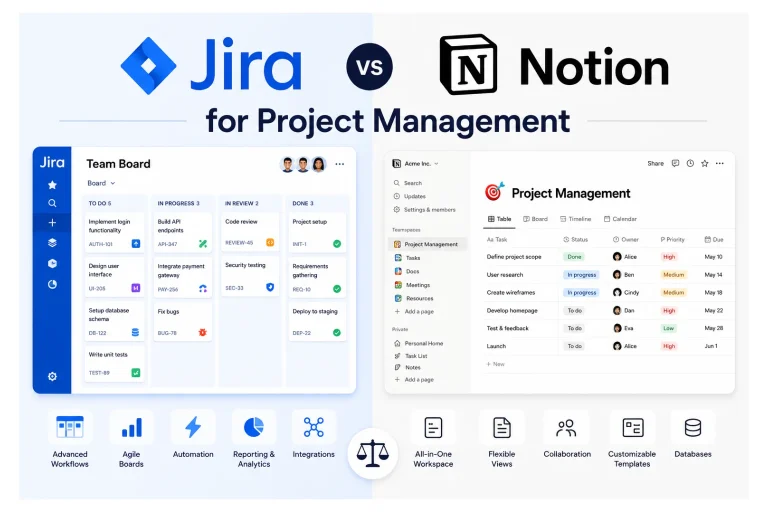
SaaSJira vs Notion for Project Management: What 18 Months of Hands-On Testing Actually Revealed
 AI Technology