


Microsoft 365 faces over 300 million fraudulent sign-in attempts daily, with organizations experiencing an average of 1,000 cyberattacks per week. Recent studies show that 80% of companies have experienced at least one cloud security incident, with the average cost of a data breach reaching $4.35 million. Microsoft reports that 99.9% of compromised accounts don’t have multi-factor authentication enabled, highlighting a critical security gap.
The regulatory landscape continues to expand, with 65% of organizations now subject to multiple compliance frameworks. Companies using Microsoft 365 spend an average of $2.5 million annually on compliance-related activities, yet 40% still struggle with meeting their regulatory obligations. These statistics underscore why implementing robust security and compliance measures in Microsoft 365 is essential for protecting your organization’s assets and meeting legal requirements. For a deeper understanding of data protection fundamentals, explore our comprehensive guide.
What is Microsoft 365 Security & Compliance?
Microsoft 365 security and compliance encompasses the tools, policies, and practices that protect your organization’s data while ensuring adherence to regulatory requirements. Security focuses on preventing, detecting, and responding to threats, while compliance ensures your organization meets legal, industry, and internal standards.
Microsoft 365 provides a unified platform where security and compliance work together to create a comprehensive protection framework. This includes advanced threat protection, identity management, information governance, and risk assessment capabilities. Unlike basic Office 365, Microsoft 365 offers enhanced security features like Microsoft Defender for Endpoint, Azure Active Directory, and advanced compliance tools that help organizations protect their digital assets across multiple workloads. Learn more about Office 365 data protection strategies in our detailed article.
Why is Microsoft 365 Security & Compliance Important?
Microsoft 365 security and compliance are vital because they protect against increasingly sophisticated cyber threats while ensuring your organization meets regulatory requirements. With 74% of organizations experiencing a security incident through a cloud service in the past year, the need for robust protection has never been greater.
Financial implications are significant – the average cost of non-compliance reaches $5.47 million, including fines, legal fees, and reputational damage. Microsoft 365 environments are prime targets, with 78% of data breaches involving cloud-based email services. Implementing proper security and compliance measures not only prevents costly incidents but also builds trust with customers and partners, giving your organization a competitive advantage in the marketplace. Understanding how encryption works is fundamental to these protection efforts.
Key Security Features in Microsoft 365
Microsoft 365 offers a comprehensive suite of security tools designed to protect your organization across multiple vectors. Understanding these features is essential for implementing effective security strategies.
Microsoft Defender for Office 365
Microsoft Defender for Office 365 provides advanced protection against email, collaboration, and cloud storage threats. It includes Safe Attachments, which scans attachments in a virtual environment before delivery, and Safe Links, which checks URLs in real-time for malicious content. The system analyzes 8 trillion threat signals daily to identify and block sophisticated attacks.
Defender for Office 365 also includes anti-phishing capabilities that detect impersonation attacks, business email compromise, and suspicious sender behavior. The threat investigation tools allow security teams to track threats across the organization, understand attack timelines, and take remediation actions. Real-time dashboards provide visibility into the threat landscape, helping organizations stay ahead of attackers. For additional protection strategies, see our guide on 10 ways to prevent a data security breach.
Microsoft Defender for Endpoint
Microsoft Defender for Endpoint delivers enterprise endpoint security that helps prevent, detect, investigate, and respond to advanced threats. It uses artificial intelligence and machine learning to analyze 8 trillion security signals daily from over 250 million endpoints worldwide.
The platform offers endpoint detection and response (EDR) capabilities, automated investigation and remediation, and attack surface reduction. Defender for Endpoint integrates with other Microsoft security products to provide comprehensive protection across devices, identities, data, and apps. This unified approach helps security teams efficiently manage threats across the entire organization.
Azure Active Directory (Azure AD)
Azure Active Directory serves as Microsoft’s cloud-based identity and access management service. It provides single sign-on, multi-factor authentication, and conditional access to protect user identities across applications and services. Azure AD processes over 30 billion authentication requests daily, making it a critical component of Microsoft 365 security.
Key features include risk-based access policies, identity protection, privileged identity management, and seamless integration with thousands of third-party applications. Azure AD helps organizations enforce least privilege access, detect suspicious sign-in activities, and protect against account compromise. The system analyzes 1.5 trillion signals daily to identify and block identity-based threats.
Microsoft Secure Score
Microsoft Secure Score is a measurement of an organization’s security posture, with a higher number indicating more improvement actions taken. It provides actionable recommendations to strengthen security across Microsoft 365 services. The system analyzes over 100 security controls across identities, data, devices, apps, and infrastructure.
Secure Score helps organizations prioritize security improvements by showing the potential impact of each recommendation. It tracks progress over time and allows benchmarking against similar organizations. The tool integrates with the Microsoft 365 compliance center to provide a unified view of security and compliance posture.
Conditional Access
Conditional Access policies allow organizations to enforce access controls based on specific conditions. These conditions include user identity, device compliance, location, application sensitivity, and risk level. Conditional Access processes over 6 billion evaluations daily to enforce security policies across Microsoft 365 services.
Organizations can create policies that require multi-factor authentication for sensitive applications, block access from risky locations or devices, or enforce session controls. Conditional Access integrates with Azure AD Identity Protection to respond to suspicious activities in real-time. This flexible approach helps organizations balance security requirements with user productivity.
Key Compliance Features in Microsoft 365
Microsoft 365 provides comprehensive compliance tools to help organizations meet regulatory requirements and manage data governance. These features enable organizations to implement effective compliance programs across their Microsoft 365 environment.
Microsoft Purview Compliance Portal
The Microsoft Purview Compliance Portal serves as the central hub for managing compliance activities across Microsoft 365. It provides unified access to compliance solutions including data loss prevention, information governance, insider risk management, and communication compliance. The portal processes over 2 billion compliance events daily.
Key capabilities include compliance management, risk assessment, policy creation, and reporting. The portal offers pre-built compliance templates for major regulations like GDPR, HIPAA, and CCPA. Organizations can use the compliance score to track their compliance posture and receive recommendations for improvement. The portal also provides audit logs and reports to demonstrate compliance with regulators and auditors.
Information Governance
Information governance in Microsoft 365 helps organizations manage their data lifecycle effectively. It includes tools for creating retention labels, retention policies, and file plan management. These features ensure data is retained for the required period and disposed of when no longer needed. Understanding different data storage types is crucial for effective governance.
Microsoft 365 processes over 1 billion retention evaluations daily to apply governance policies across Exchange, SharePoint, OneDrive, and Teams. Organizations can automatically apply retention labels based on content type, sensitivity, or keywords. The system also provides litigation hold capabilities to preserve data for legal cases. These features help organizations reduce storage costs, minimize legal risks, and meet regulatory requirements for data retention.
Data Loss Prevention (DLP)
Data Loss Prevention in Microsoft 365 helps prevent sensitive information from leaving the organization. DLP policies can identify, monitor, and block sensitive data across Exchange, SharePoint, OneDrive, and Teams. The system uses over 100 built-in sensitive information types and allows organizations to create custom definitions.
Microsoft 365 DLP analyzes content in real-time, including text in documents, emails, and chat messages. When a policy violation is detected, the system can block the transmission, show policy tips to users, and generate alerts for administrators. DLP integrates with Microsoft Information Protection to apply sensitivity labels and encryption to sensitive content. For data loss prevention best practices, explore our detailed guide.
Communication Compliance
Communication Compliance helps organizations detect inappropriate communications and meet regulatory requirements. It uses machine learning to analyze communications across Exchange, Teams, and third-party platforms. The system processes over 500 million communication events daily to identify policy violations.
Organizations can create policies to detect harassment, threats, inappropriate language, and regulatory violations. The system provides investigators with tools to review flagged communications, determine policy violations, and take remediation actions. Communication Compliance also includes pre-built policy templates for financial services and healthcare regulations. These features help organizations maintain a respectful workplace and meet industry-specific compliance requirements.
Insider Risk Management
Insider Risk Management helps organizations detect and mitigate internal risks. It uses machine learning to analyze user activity across Microsoft 365 services and identify potentially harmful behavior. The system processes over 1 billion user signals daily to detect insider threats.
Key capabilities include risk detection, investigation workflows, and remediation actions. Organizations can create policies to detect data theft, leaks, and security policy violations. The system prioritizes risks based on severity and provides investigators with context about user activities. Insider Risk Management also includes privacy protections to ensure investigations are conducted fairly and transparently. These features help organizations protect sensitive data while respecting employee privacy.
How to Implement Security in Microsoft 365
Implementing security in Microsoft 365 requires a structured approach that addresses people, processes, and technology. Following these steps helps organizations establish a strong security foundation.
Step 1: Assess Your Security Posture
Begin by evaluating your current security posture using Microsoft Secure Score. This tool provides a comprehensive assessment of your security configuration across Microsoft 365 services. Identify gaps in your security controls and prioritize improvements based on risk.
Conduct a thorough inventory of your Microsoft 365 environment, including users, devices, applications, and data. Classify data based on sensitivity and identify critical assets that require additional protection. This assessment forms the foundation for your security strategy and helps prioritize investments.
Step 2: Configure Identity Protection
Implement Azure Active Directory as your identity foundation. Enable multi-factor authentication for all users, starting with privileged accounts. Configure self-service password reset to reduce helpdesk costs and improve user experience.
Set up Conditional Access policies based on user risk, device compliance, and application sensitivity. Require MFA for administrative access and sensitive applications. Implement session controls to limit access duration and location. These measures significantly reduce the risk of account compromise and unauthorized access.
Step 3: Deploy Threat Protection
Enable Microsoft Defender for Office 365 to protect against email and collaboration threats. Configure Safe Attachments and Safe Links policies to block malicious content. Set up anti-phishing policies to detect impersonation attacks and suspicious sender behavior.
Deploy Microsoft Defender for Endpoint to protect devices against advanced threats. Configure attack surface reduction rules to minimize vulnerabilities. Enable automated investigation and remediation to respond quickly to threats. These tools provide comprehensive protection across your Microsoft 365 environment.
Step 4: Implement Information Protection
Deploy Microsoft Information Protection to classify and protect sensitive data. Create sensitivity labels based on data classification and apply them automatically using policies. Configure encryption and usage restrictions for highly sensitive content.
Enable Data Loss Prevention to prevent sensitive information from leaving your organization. Create DLP policies based on regulatory requirements and business needs. Configure policy actions to block, warn, or educate users about potential violations. These measures help protect your most valuable assets.
Step 5: Monitor and Respond
Establish continuous monitoring of your security posture using Microsoft 365 Defender portal. Set up alerts for critical security events and suspicious activities. Configure automated investigation and remediation to respond quickly to threats.
Develop an incident response plan that outlines procedures for handling security incidents. Conduct regular drills to test your response capabilities. Establish a security operations team with clearly defined roles and responsibilities. These measures ensure your organization can effectively detect and respond to security threats. If you encounter ransomware, refer to our guide on what to do if you’re infected by ransomware.
How to Implement Compliance in Microsoft 365
Implementing compliance in Microsoft 365 requires understanding regulatory requirements and configuring appropriate controls. Following these steps helps organizations meet their compliance obligations.
Step 1: Identify Compliance Requirements
Begin by identifying the regulations that apply to your organization. Common frameworks include GDPR, HIPAA, CCPA, and industry-specific requirements. Document the specific requirements of each regulation and map them to Microsoft 365 compliance capabilities.
Use Microsoft Compliance Manager to assess your compliance posture. This tool provides a comprehensive view of your compliance activities and helps identify gaps. Create a compliance inventory that lists all applicable regulations and their requirements. This assessment forms the foundation for your compliance program.
Step 2: Configure Information Governance
Implement retention labels and policies to manage the data lifecycle. Create labels based on content type, sensitivity, and regulatory requirements. Apply labels automatically using policies that detect sensitive information.
Configure retention policies for different workloads, including Exchange, SharePoint, OneDrive, and Teams. Set up litigation holds for legal cases and investigations. Implement file plan management to organize retention labels and ensure consistent application across your organization. These measures help meet regulatory requirements for data retention and disposition.
Step 3: Deploy Data Loss Prevention
Create DLP policies based on your compliance requirements. Use pre-configured policy templates for common regulations or create custom policies for specific needs. Define sensitive information types that align with your compliance obligations.
Configure policy actions to block, warn, or report violations based on risk level. Test policies in audit mode before enforcing them to avoid disrupting business operations. Monitor DLP alerts and refine policies based on false positives and changing requirements. These measures help prevent unauthorized disclosure of sensitive information.
Step 4: Implement Communication Compliance
Deploy Communication Compliance to monitor internal and external communications. Create policies based on regulatory requirements and organizational policies. Configure detection methods to identify inappropriate language, harassment, and regulatory violations.
Set up investigation workflows to review flagged communications and determine policy violations. Configure remediation actions based on violation severity. These measures help maintain a respectful workplace and meet industry-specific compliance requirements.
Step 5: Monitor and Report
Establish continuous monitoring of your compliance posture using Microsoft Purview Compliance Portal. Set up alerts for compliance violations and policy violations. Configure automated reporting to track compliance activities and demonstrate adherence to regulations.
Generate regular compliance reports for management and regulators. Use Compliance Score to track your compliance posture and receive recommendations for improvement. Conduct regular compliance assessments to identify and address gaps. These measures help ensure ongoing compliance and demonstrate your commitment to regulatory requirements.
Best Practices for Microsoft 365 Security & Compliance
Implementing best practices helps organizations maximize the effectiveness of their Microsoft 365 security and compliance efforts. These proven strategies address common challenges and emerging threats.
Implement Zero Trust Architecture
Adopt a Zero Trust approach that verifies every access request regardless of source. Require strict identity verification for all users and devices. Implement least privilege access to limit permissions to only what’s necessary for each role.
Use Conditional Access policies to enforce access controls based on user identity, device health, location, and behavior. Monitor all access attempts and respond to anomalous activities in real-time. This approach significantly reduces the risk of unauthorized access and data breaches.
Automate Security Operations
Leverage automation to improve the efficiency and effectiveness of your security operations. Configure automated investigation and remediation in Microsoft 365 Defender to respond quickly to threats. Use playbooks to standardize response procedures for common security incidents.
Implement automated alerting for critical security events and policy violations. Use machine learning to analyze security data and identify potential threats. These measures help your security team focus on strategic activities rather than routine tasks.
Regular Security Training
Provide ongoing security awareness training for all users. Cover topics such as phishing recognition, secure file sharing, and password management. Conduct regular phishing simulations to test and improve user awareness.
Offer role-specific training for employees with access to sensitive data or administrative privileges. Establish a security champions program to promote security best practices throughout the organization. These measures help create a security-conscious culture and reduce the risk of human error.
Continuous Compliance Monitoring
Implement continuous monitoring of your compliance posture using Microsoft Purview Compliance Portal. Set up automated alerts for compliance violations and policy exceptions. Use Compliance Score to track your compliance posture and receive recommendations for improvement.
Conduct regular compliance assessments to identify and address gaps. Generate reports for management and regulators to demonstrate compliance. These measures help ensure ongoing compliance and reduce the risk of regulatory penalties.
Regular Security Assessments
Conduct regular security assessments to identify vulnerabilities and threats. Use Microsoft Secure Score to evaluate your security posture and receive recommendations for improvement. Perform penetration testing to identify potential weaknesses in your defenses.
Review and update security policies based on assessment findings and changing threats. Conduct tabletop exercises to test your incident response capabilities. These measures help ensure your security controls remain effective against evolving threats. For insights on specific ransomware threats, read about LockBit 3.0 ransomware attacks.
Common Challenges in Microsoft 365 Security & Compliance
Organizations face several challenges when implementing security and compliance in Microsoft 365. Understanding these challenges helps prepare effective strategies to overcome them.
Complexity of Configuration
Microsoft 365 offers numerous security and compliance features with complex configuration options. Many organizations struggle to properly configure these settings, leaving vulnerabilities in their environment. Misconfigurations are a leading cause of security incidents and compliance violations.
Overcome this challenge by starting with basic configurations and gradually implementing advanced features. Use Microsoft’s Secure Score and Compliance Score to track your posture and receive recommendations. Consider engaging Microsoft consultants or specialized partners for complex implementations.
Resource Constraints
Many organizations lack the resources to effectively manage security and compliance in Microsoft 365. Security teams are often understaffed and overwhelmed by the volume of alerts and tasks. Compliance requirements continue to increase, adding to the burden.
Address this challenge by leveraging automation to reduce manual tasks. Prioritize security and compliance activities based on risk. Consider managed security services for specialized functions. Use Microsoft’s built-in automation and AI capabilities to improve efficiency.
User Resistance
Users often resist security and compliance measures that impact productivity. Features like MFA, DLP, and conditional access can create friction in daily workflows. Without proper training and communication, users may find workarounds that bypass controls.
Address user resistance through comprehensive training and clear communication. Explain the importance of security and compliance measures and how they protect both the organization and individual users. Provide user-friendly tools and clear guidelines for following policies. Regularly gather feedback and adjust policies to balance security and usability.
Keeping Pace with Changes
Security threats and compliance requirements continue to change rapidly. Organizations struggle to keep pace with these changes and update their strategies accordingly. Outdated security measures quickly become ineffective against new attack techniques.
Stay current with threat intelligence by subscribing to security bulletins and participating in industry forums. Regularly update your security policies and configurations based on new threats. Conduct periodic assessments to identify and address new vulnerabilities in your environment.
Integration with Existing Systems
Many organizations have existing security and compliance systems that need to integrate with Microsoft 365. Integration challenges can create gaps in protection and make it difficult to maintain a unified view of security and compliance posture.
Address integration challenges by using Microsoft’s extensive API ecosystem to connect with existing systems. Leverage Microsoft’s partnerships with third-party security vendors. Consider using a security information and event management (SIEM) system to aggregate data from multiple sources. These measures help create a unified security and compliance environment.
FAQ
What is the difference between Microsoft 365 and Office 365 security?
Microsoft 365 includes all Office 365 security features plus additional advanced capabilities. Microsoft 365 offers Defender for Endpoint, Azure Active Directory, and advanced compliance tools that aren’t available in basic Office 365 plans. Microsoft 365 provides a more comprehensive security solution for organizations with stringent protection requirements.
How does Microsoft 365 help with GDPR compliance?
Microsoft 365 provides numerous tools to help with GDPR compliance. These include Data Loss Prevention to protect personal data, retention policies to manage data lifecycle, and compliance manager to assess compliance posture. Microsoft also offers GDPR-specific documentation and guidance to help organizations meet their obligations.
What is the shared responsibility model in Microsoft 365?
The shared responsibility model defines how security responsibilities are divided between Microsoft and customers. Microsoft is responsible for securing the infrastructure, while customers are responsible for securing their data, user access, and devices. Understanding this model is crucial for implementing effective security in Microsoft 365.
How often should I review my Microsoft 365 security settings?
Review critical security settings monthly and conduct comprehensive assessments quarterly. Monitor Microsoft 365 Secure Score weekly to track improvements. Stay informed about new features and threat landscapes through Microsoft’s security communications. Adjust your security posture based on assessment findings and new threats.
What is the best way to secure admin accounts in Microsoft 365?
Admin accounts require special protection due to their elevated privileges. Implement strict security measures including MFA, Conditional Access policies, and privileged access workstations. Limit the number of global administrators and use least privilege access. Regularly review admin permissions and monitor account activity for suspicious behavior.
How does Microsoft 365 protect against ransomware?
Microsoft 365 provides multiple layers of ransomware protection. Defender for Office 365 blocks malicious attachments and links. Defender for Endpoint detects and blocks ransomware execution on devices. OneDrive and SharePoint version history allows recovery of encrypted files. Automated investigation and remediation helps contain and remove ransomware threats.
What should I include in a Microsoft 365 compliance program?
A comprehensive Microsoft 365 compliance program should include data classification, retention policies, DLP, communication compliance, and insider risk management. It should also include regular compliance assessments, user training, and reporting mechanisms. The program should align with applicable regulations and organizational policies.
How can I demonstrate compliance to auditors?
Microsoft 365 provides numerous tools to demonstrate compliance to auditors. Use Compliance Manager to assess and track your compliance posture. Generate reports from the Purview Compliance Portal showing policy configurations and enforcement. Maintain audit logs and documentation of compliance activities. These measures help provide evidence of your compliance efforts.
Conclusion
Microsoft 365 security and compliance require a comprehensive approach that combines Microsoft’s powerful tools with your organization’s policies and procedures. Understanding the shared responsibility model is crucial for implementing effective protection. By leveraging security features like Defender for Office 365, Azure AD, and Conditional Access, you can create multiple layers of defense against threats.
Compliance features in Microsoft Purview help organizations meet regulatory requirements through information governance, DLP, and communication compliance. Implementing best practices such as Zero Trust architecture, automation, and continuous monitoring significantly enhances your security and compliance posture.
Organizations must stay vigilant against new threats and changing compliance requirements. Regular assessments, user training, and process improvements are key components of a robust security and compliance program. By taking a proactive approach to Microsoft 365 security and compliance, you can protect your organization’s assets while meeting regulatory obligations and building trust with customers and partners.
You May Also Like
 VPN & Proxy
Why Does Google Say Our Systems Have Detected Unusual Traffic From Your Computer Network?
 Web Development
Supabase vs Firebase: Which Backend Platform is Right for Your Project?
 Web Development
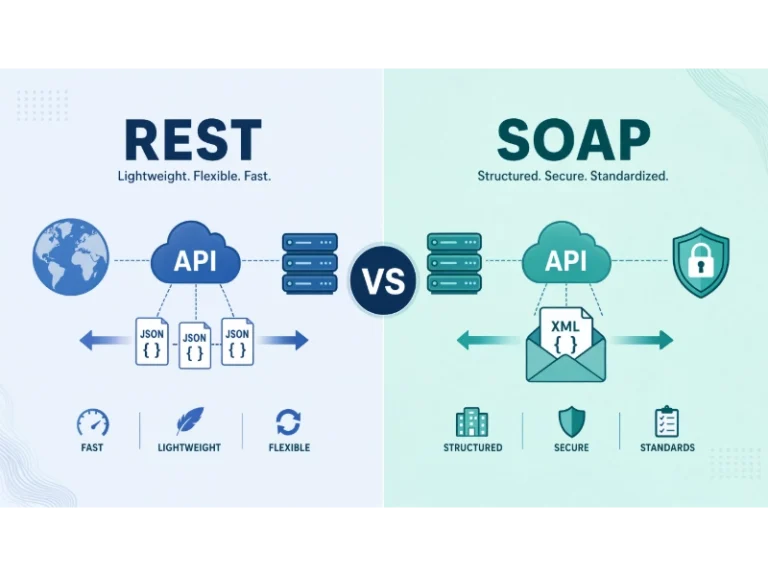
REST API vs SOAP API: Differences, Pros & Cons, and Use Cases
 Web Development
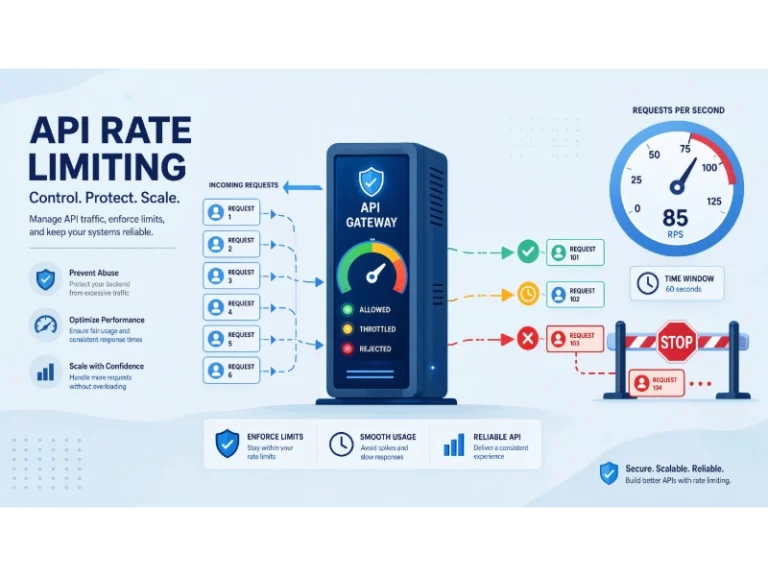
What Is API Rate Limiting? (A Practical, Simple Guide for Safer, Faster APIs)
 Data Security & Privacy
Is Eldorado.gg Legit? An Honest 2026 Review
 Data Security & Privacy
Is Gameflip Legit and Safe for Gift Cards?
 Cybersecurity
Is Fanatical Legit? An Honest Review Based on Real Gamer Experiences
 Cybersecurity
Is Groupon Legit? An Honest Review In 2026
 Cybersecurity