


Custom web development gives small businesses full control over design, features, and performance — leading to better branding, higher conversions, and long-term cost savings.
Small business owners often start with website builders like Wix or Squarespace. These tools are fast and cheap. But they limit growth. Custom web development removes those limits. It lets you build a site that matches your exact needs. You choose the layout. You pick the functions. You decide how fast it loads. And you own every line of code. This control helps you stand out, serve customers better, and scale without rebuilding later.
A custom website is not just a digital brochure. It becomes a sales engine, a customer service tool, and a brand ambassador. For small businesses, this means more than looking professional. It means working smarter. Studies show that 75% of users judge a company’s credibility based on its website design. A tailored site builds that trust. It also improves search rankings, loads faster on mobile, and integrates with your existing tools — like email marketing, inventory, or booking systems. The result? More leads, fewer headaches, and a stronger return on investment.
What Is Custom Web Development for Small Businesses?
Custom web development is the process of building a website from scratch to meet the specific goals, branding, and operational needs of a small business.
Unlike template-based platforms, custom development does not rely on pre-built layouts or locked-in features. Developers write original code. Designers craft unique interfaces. The final product reflects the business’s identity, services, and customer journey. Examples include local bakeries with online ordering, consultants with appointment booking, or retailers with custom product filters.
Small businesses benefit because they avoid the “one-size-fits-all” limitations of website builders. They gain flexibility. They can add features like loyalty programs, multilingual support, or AI chatbots as they grow. They also avoid monthly platform fees that add up over time. Custom sites are scalable, secure, and search engine-friendly by design.
Key components of custom web development for small businesses:
- Front-end design – What visitors see and interact with (buttons, menus, animations)
- Back-end logic – How data is stored, processed, and delivered (user accounts, forms, databases)
- Content Management System (CMS) – Easy-to-use dashboard for updating text, images, or products
- Mobile responsiveness – Automatic adjustment for phones, tablets, and desktops
- Third-party integrations – Connection to tools like Mailchimp, Shopify, or Google Analytics
Custom development takes longer and costs more upfront than templates. But for businesses serious about growth, the long-term advantages outweigh the initial investment. You can also develop your website using AI coding assistant tools; those tools help you to rebuild your website without coding skills.
Why Should Small Businesses Invest in Custom Web Development?
Small businesses should invest in custom web development to gain competitive advantage, improve customer experience, and reduce long-term tech costs.
A generic website may work for a hobbyist. But for a business aiming to grow, it becomes a bottleneck. Custom development removes that bottleneck. It lets you build features that match your workflow. You can automate tasks. You can collect better data. You can create smoother checkout experiences. All of this leads to happier customers and higher revenue.
Consider these real-world examples:
- A dental clinic adds online appointment scheduling, reducing front-desk calls by 40%
- A boutique clothing store integrates inventory with its point-of-sale system, preventing overselling
- A tutoring service adds student progress dashboards, increasing client retention by 25%
Custom sites also rank better in search engines. Google rewards fast, mobile-friendly, and well-structured websites. Template sites often carry bloated code that slows them down. Custom sites are lean. They load faster. They convert better. And they adapt as algorithms change.
Investing in custom development is not just about technology. It’s about strategy. It positions your business for scalability. You won’t need to rebuild your site every two years. You can update, expand, and optimize without starting over.
Benefit 1: Full Brand Control and Unique Design
Custom web development gives small businesses complete control over visual identity, ensuring every element reflects their brand values and differentiates them from competitors.
Template websites look similar. Users can spot them. This weakens brand trust. A custom site lets you choose fonts, colors, animations, and layouts that match your logo, packaging, and storefront. Consistency builds recognition. Recognition builds loyalty.
Examples of brand elements you control:
- Typography – Fonts that match your print materials or signage
- Color palette – Exact shades used in your physical location or product line
- Imagery style – Photo filters, illustration types, or icon sets unique to your business
- Navigation flow – How users move from homepage to checkout or contact page
- Micro-interactions – Button hover effects, scroll animations, or loading transitions
A local coffee shop, for instance, can embed its hand-drawn menu illustrations into the site. A fitness trainer can use video backgrounds of their actual studio. These details create emotional connection. They make your business memorable.
Custom design also avoids “template fatigue.” When visitors see the same layout across dozens of sites, they disengage. A unique interface holds attention. It encourages exploration. It increases time on site — a key metric for search engines and conversion rates.
Benefit 2: Improved User Experience and Navigation
Custom web development improves user experience by letting you design intuitive navigation, fast-loading pages, and task-focused layouts tailored to your audience’s behavior.
User experience (UX) is how easily visitors find what they need. Template sites force you into preset structures. Custom sites let you map the customer journey. You can place “Book Now” buttons where users expect them. You can simplify checkout to three steps instead of seven. You can hide complex features until they’re relevant.
Key UX improvements from custom development:
- Simplified menus – Group services by customer type (e.g., “For Homeowners” vs. “For Contractors”)
- Smart forms – Auto-fill fields, conditional logic, and real-time validation
- Faster load times – Optimized images, lazy loading, and clean code reduce bounce rates
- Accessibility compliance – Support for screen readers, keyboard navigation, and color contrast
- Personalized content – Show returning visitors their last viewed products or saved quotes
A plumbing company, for example, can add a “Emergency?” button that jumps users to a 24/7 contact form. A florist can let users filter bouquets by occasion, color, or price — then save favorites for later. These small touches reduce friction. They increase satisfaction. And they turn browsers into buyers.
Google measures UX through Core Web Vitals. Sites that score well rank higher. Custom sites are built to pass these tests from day one.
Benefit 3: Better Search Engine Optimization (SEO)
Custom web development improves SEO by allowing clean code structure, fast performance, mobile optimization, and semantic markup — all factors Google rewards in rankings.
Template platforms add unnecessary code. This slows sites down. Slow sites rank lower. Custom sites are built lean. Developers remove bloat. They compress images. They defer non-essential scripts. The result is faster load times — a top Google ranking factor.
Custom sites also let you control:
- URL structure – Clean, keyword-rich addresses like
/services/plumbing-repair - Meta tags – Unique titles and descriptions for every page
- Header hierarchy – Proper use of H1, H2, H3 tags to signal content importance
- Schema markup – Structured data that helps Google display rich results (ratings, prices, availability)
- Internal linking – Strategic links between pages to distribute authority and guide crawlers
A local bakery, for instance, can optimize each cake page for phrases like “custom birthday cakes in [City]” — with unique descriptions, image alt text, and customer reviews. Template sites often reuse the same meta tags across pages, hurting SEO.
Custom development also supports ongoing optimization. You can add blog sections, location pages, or FAQ schemas without fighting platform limitations. This flexibility keeps your site competitive as search algorithms evolve.
Benefit 4: Scalability and Future-Proofing
Custom web development ensures your website can grow with your business — adding features, handling traffic spikes, and integrating new tools without requiring a full rebuild.
Template sites hit limits fast. You outgrow storage. You can’t add complex functions. You’re stuck with the platform’s roadmap. Custom sites scale on your terms. You can start simple. Then add e-commerce. Then subscription billing. Then multi-language support. All without migrating data or redesigning.
Scalability features include:
- Modular architecture – Plug in new features like chatbots or loyalty programs as needed
- Cloud hosting readiness – Easily shift to AWS, Google Cloud, or Azure for higher traffic
- Database optimization – Handle thousands of products or user accounts without slowdowns
- API-first design – Connect to CRM, accounting, or logistics software via clean interfaces
- Version control – Track changes, roll back errors, and collaborate with multiple developers
A tutoring business might start with a booking form. Later, they add student dashboards, progress reports, and payment plans. A custom site handles this evolution smoothly. Template sites force compromises — like using third-party tools that don’t sync or look out of place.
Future-proofing also means security. Custom sites receive regular updates. You’re not dependent on a platform’s patch schedule. You control when and how to upgrade libraries, fix vulnerabilities, or comply with new regulations like GDPR.
Benefit 5: Enhanced Security and Data Protection
Custom web development enhances security by eliminating third-party plugin risks, enabling regular updates, and allowing full compliance with data privacy laws like GDPR, CCPA, and HIPAA — critical for modern businesses handling sensitive customer data.
Template-based platforms rely heavily on plugins and themes — each one a potential entry point for hackers. Popular plugins are especially targeted, because a single vulnerability can compromise thousands of websites at once. Custom development removes this risk. You use only the code you need. Fewer components. Fewer weak spots. Fewer surprises.
When you build custom, you’re not just avoiding plugins — you’re taking control of your entire security stack. You decide how data is stored, who can access it, and how it’s protected — both in transit and at rest. This level of control is especially valuable if your business operates in regulated industries like healthcare, finance, or e-commerce.
Key Security Measures in Custom Development:
- Regular code audits – Proactively scan for vulnerabilities before launch and after every major update
- SSL/TLS encryption – Encrypt all data transfers between the user’s browser and your server
- Role-based access control (RBAC) – Limit admin privileges to only those who need them — reducing insider risk
- Data anonymization – Mask or pseudonymize customer information in analytics, logs, or backup systems
- Compliance-ready modules – Built-in tools for cookie consent banners, data export requests, and right-to-be-forgotten workflows
For example, a healthcare consultant can build HIPAA-compliant intake forms that encrypt patient data before it even reaches the database. An e-commerce business can tokenize credit card information — so raw payment data is never stored on their servers. These aren’t optional upgrades. They’re essential protections that build customer trust and help avoid costly regulatory fines.
Hosting Flexibility = Stronger Security
Custom sites also let you choose your hosting environment — whether it’s a dedicated server, a private cloud, or a BaaS (Backend-as-a-Service) platform with enterprise-grade security. You can select providers that offer:
- Advanced firewalls and intrusion detection
- DDoS protection and automatic threat mitigation
- Daily encrypted backups and disaster recovery plans
Many template platforms bundle hosting with limited — or even hidden — security features. With custom development, you’re in the driver’s seat. And if you want to leverage modern, scalable backend infrastructure without managing servers yourself, platforms like those covered in our guide to the best Backend-as-a-Service providers offer secure, compliant, and auto-scaling solutions — perfect for growing businesses.
In fact, as highlighted in our deep dive on what BaaS is and why it matters, leading BaaS platforms now come with built-in SOC 2, HIPAA, and GDPR compliance — making them a smart choice for custom apps that need enterprise-level security without the overhead.
Benefit 6: Seamless Integration with Business Tools
Custom web development enables seamless integration with existing business tools like CRM, email marketing, accounting software, and inventory systems — reducing manual work and data errors.
Small businesses use many tools. QuickBooks for accounting. Mailchimp for newsletters. Calendly for appointments. Template sites struggle to connect them all. Custom sites build direct bridges. Data flows automatically. No copy-pasting. No double entry.
Common integrations for small businesses:
- CRM sync – Capture leads from forms into HubSpot or Salesforce instantly
- Email automation – Add subscribers to sequences based on page visits or purchases
- Inventory updates – Sync product stock levels between website and POS system
- Payment gateways – Support Stripe, PayPal, Apple Pay, or local options like Klarna
- Analytics dashboards – Pull Google Analytics, Hotjar, or Facebook Pixel data into one view
A pet groomer, for instance, can link their booking form to Google Calendar and QuickBooks. When a client books online, the appointment appears on staff calendars, and an invoice is generated automatically. This saves hours per week. It reduces missed appointments. It improves cash flow.
Custom development also lets you build internal tools. Dashboards for staff. Reporting exports for accountants. Mobile views for field technicians. These efficiencies compound over time.
Benefit 7: Higher Conversion Rates and Sales
Custom web development increases conversion rates by removing friction, personalizing user paths, and optimizing calls-to-action based on real customer behavior.
Conversion rate is the percentage of visitors who take a desired action — buy, book, subscribe, or call. Template sites use generic layouts. They don’t adapt to your audience. Custom sites are built around your customer data. You can A/B test headlines. You can reorder checkout steps. You can show dynamic pricing or urgency timers.
Conversion-boosting features:
- One-click checkout – Reduce form fields and save payment info for returning users
- Exit-intent popups – Offer discounts or reminders when users move to leave
- Trust badges – Display security seals, testimonials, or money-back guarantees near buttons
- Progress indicators – Show users how many steps remain in a form or checkout
- Personalized recommendations – Suggest products based on browsing or purchase history
A home repair service might add a “Get Instant Quote” button above the fold — with a calculator that adjusts price based on zip code and job type. A fitness coach could show video testimonials right next to the “Start Trial” button. These tweaks can lift conversions by 20% or more.
Custom sites also support retargeting. You can tag visitors who viewed pricing but didn’t buy — then show them tailored ads later. Template platforms often restrict pixel placement or event tracking.
Benefit 8: Mobile Optimization and Performance
Custom web development ensures flawless mobile performance by using responsive design, touch-friendly elements, and speed optimizations that keep bounce rates low and rankings high.
Over 60% of web traffic comes from mobile devices. Template sites often look broken or slow on phones. Custom sites are built mobile-first. Buttons are large enough to tap. Text resizes for small screens. Menus collapse neatly. Images load only when needed.
Mobile performance features:
- Responsive grids – Layouts that rearrange based on screen width
- Touch targets – Buttons and links spaced for fingers, not cursors
- Accelerated Mobile Pages (AMP) – Optional stripped-down versions for ultra-fast loading
- Lazy loading – Images and videos load as users scroll, not all at once
- Reduced redirects – Fewer hops between pages means faster navigation
A restaurant, for example, can ensure its menu is readable without zooming. A real estate agent can make property photos swipeable on phones. These details reduce frustration. They increase engagement. And Google’s mobile-first indexing rewards them with higher visibility.
Custom development also avoids “mobile plugins” that break on updates. Everything is coded to work together — across iOS, Android, and all major browsers.
Benefit 9: Cost Efficiency Over Time
Custom web development saves money long-term by eliminating recurring platform fees, reducing dependency on developers for minor changes, and avoiding costly migrations or redesigns.
Template platforms charge monthly fees. $30 here. $50 there. Add e-commerce. Add storage. Add a custom domain. It adds up. After three years, you’ve paid more than a custom site — with less control. Custom development has higher upfront cost but lower lifetime cost.
Long-term savings include:
- No subscription fees – Pay once for development, then only for hosting and maintenance
- CMS access – Update text, images, or prices yourself without hiring a developer
- Reusable components – Add new pages or products using existing templates and styles
- Efficient hosting – Lightweight code runs on cheaper servers without performance loss
- No vendor lock-in – Own your code. Switch hosts or developers without rebuilding
A small retailer might spend $5,000 on a custom site. A template site costs $50/month — $1,800 over three years — but still lacks features like bulk product uploads or custom filters. The custom site pays for itself in functionality and flexibility.
Maintenance costs are also predictable. Custom sites get quarterly updates. Template sites surprise you with forced redesigns, plugin incompatibilities, or price hikes. You control the budget with custom development.
Benefit 10: Competitive Advantage and Market Differentiation
Custom web development gives small businesses a competitive edge by delivering unique features, superior speed, and branded experiences that generic sites cannot match.
Competitors using templates look alike. Their sites feel impersonal. Yours stands out. You offer smoother booking. Faster checkout. Smarter recommendations. These advantages attract and retain customers. They justify premium pricing. They generate word-of-mouth referrals.
Differentiation examples:
- Interactive tools – Mortgage calculators, size finders, or diagnostic quizzes
- Exclusive content – Members-only videos, downloadable guides, or early access deals
- Localized experiences – Show store hours, inventory, or events based on user location
- Gamification – Reward points, progress bars, or unlockable content for engagement
- Voice search optimization – Structure content to answer “near me” or “how to” queries
A bike shop could add a “Build Your Dream Bike” configurator — letting users choose frames, gears, and colors, then see the price update in real time. A nutritionist might offer a “Meal Plan Generator” based on dietary restrictions. These features turn visitors into loyal customers.
Custom sites also adapt faster to trends. When voice search or AI chatbots become essential, you can add them without platform restrictions. Competitors stuck on templates fall behind.
Frequently Asked Questions (FAQ)
Does custom web development cost more than templates?
Yes. Custom websites need skilled developers and take more time to build — so the upfront cost is higher. But you save money over time because there are no monthly platform fees, and you won’t need to rebuild your site later as your business grows.
Can small businesses update custom websites themselves?
Yes. Most custom sites come with a simple dashboard — like WordPress or a custom CMS — so you or your team can easily update text, upload photos, or add new products without needing to know how to code.
Is custom development slower to launch?
Yes. Building a site from scratch usually takes 8 to 16 weeks. Templates can go live in a few days — but that extra time means your site will work better, load faster, and be built exactly how you need it.
Do custom websites rank better on Google?
Yes. Custom sites are built with clean, fast code and full SEO control — things Google loves. That means better rankings, more traffic, and more customers finding you online.
Can custom sites integrate with my existing tools?
Yes. Your developers can connect your website to tools you already use — like your email service, accounting software, CRM, or inventory system — so everything works together smoothly, with less manual work.
Are custom websites more secure?
Yes. Since custom sites don’t rely on random plugins or themes, there are fewer weak spots for hackers. You also get regular updates and can build in features to stay compliant with privacy laws like GDPR or CCPA.
Will a custom site work on mobile devices?
Yes. Every custom website is built to work perfectly on phones and tablets — no pinching, zooming, or broken layouts. It just works, no matter what device your customers are using.
Can I add features later without rebuilding?
Yes. Custom sites are built with growth in mind. Want to add a chatbot next year? Or a loyalty program? Or support for another language? You can plug it in — no need to start over.
Do I own the code and content?
Yes. When your site is custom-built, you own everything — the design, the code, the content. You’re not locked into a platform. If you ever want to switch developers or hosts, you can — without losing anything.
Is custom development worth it for very small businesses?
Yes — if you’re planning to grow. If you’re just testing an idea, a template might be fine for now. But if you’re serious about building something lasting, custom development saves you time, money, and stress down the road — and helps you stand out from the start.
Conclusion
Custom web development turns your small business website from a simple online brochure into a real growth partner. Instead of looking like everyone else’s site, yours reflects your brand — your colors, your voice, your style. It makes things easier for your customers: faster loading, smoother navigation, better mobile experience. It also helps you show up higher in Google, connects easily with tools like your email or booking system, and keeps your customer data safe. Yes, it costs more upfront than a template — but you save over time, avoid headaches later, and stand out from the competition. If you’re serious about growing your business, this is the smarter, stronger foundation to build on.
The ten benefits covered — from mobile performance to cost efficiency — show that custom development is not a luxury. It’s a strategic tool. It removes limitations. It builds trust. It drives revenue. And it future-proofs your digital presence.
Start with clear goals. Partner with experienced developers. Prioritize features that impact your bottom line. The result will be a website that works as hard as you do — and grows right alongside your business.
You May Also Like
 Web Development
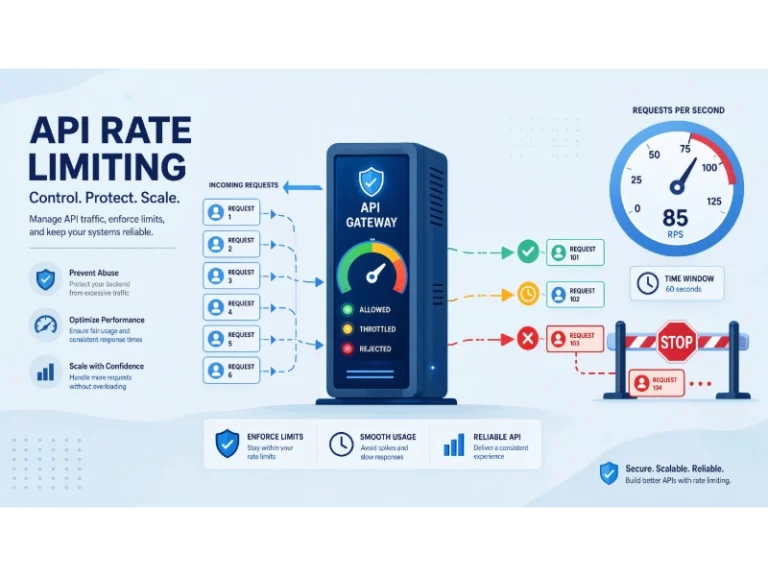
What Is API Rate Limiting? (A Practical, Simple Guide for Safer, Faster APIs)
 Web Development
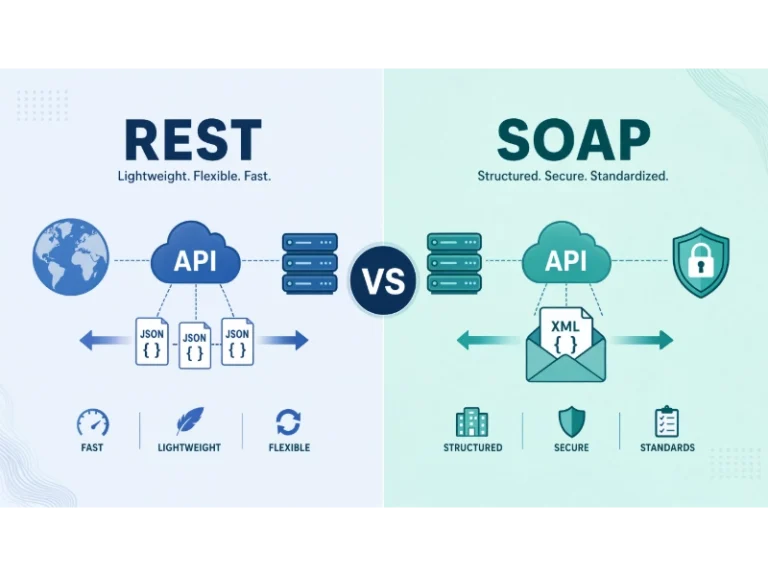
REST API vs SOAP API: Differences, Pros & Cons, and Use Cases
 Web Development
How Long Does It Take to Code an App?
 Web Development
Supabase vs Firebase: Which Backend Platform is Right for Your Project?
 Cloud Computing
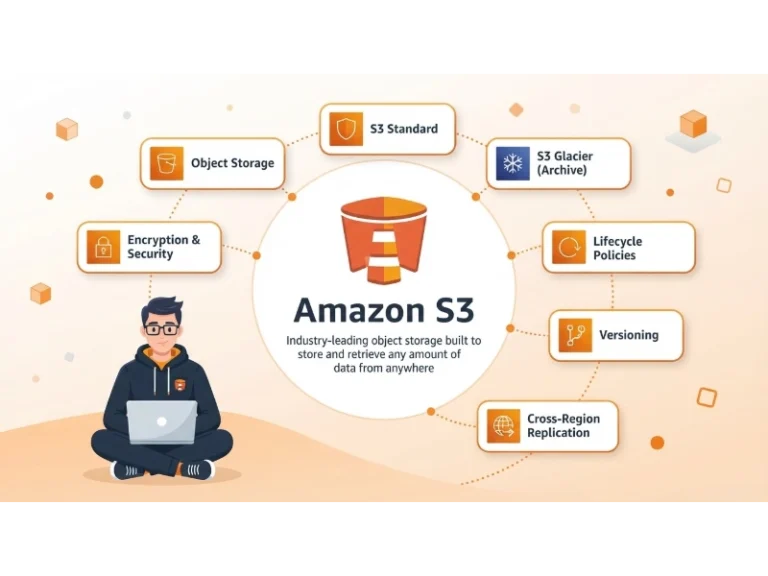
8 Best AWS S3 Alternatives Compared: Pricing, Egress, and S3 Compatibility
 Web Development
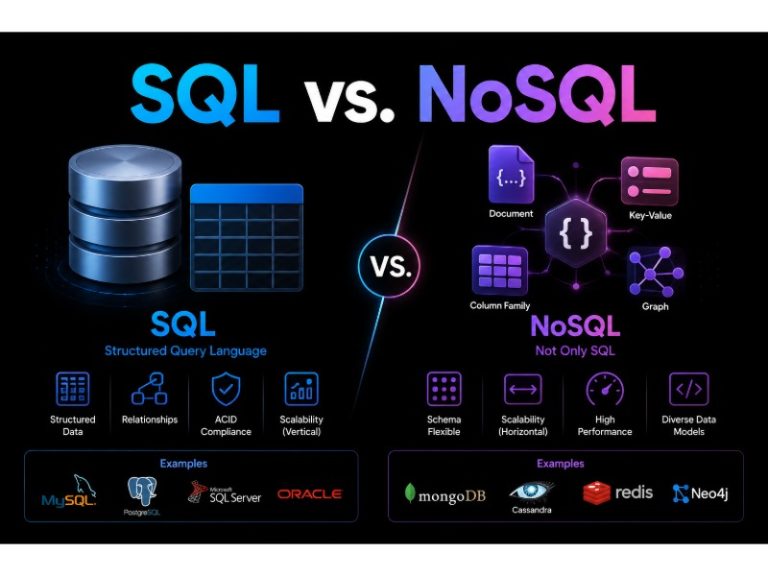
SQL vs. NoSQL: How to Choose the Right Database for Your Application
 AI Technology
ChatGPT API Alternatives: 13 AI APIs and Platforms for Developers
 Web Development
Building Apps with Lovable and Supabase: A Step-by-Step Guide
 Web Development