

Valorant, the tactical first-person shooter from Riot Games, has gained immense popularity since its release. As players dive into the action, understanding the ranking system becomes essential for progression and achieving personal goals. With ranks ranging from Iron to Radiant, each tier offers unique challenges and environments that test a player’s skill and teamwork.
Understanding the Valorant Ranks
In Valorant, ranks serve as a way to categorize players based on their skill levels. Here’s a quick breakdown of the ranks:
- Iron: Ranks 1 to 3
- Bronze: Ranks 1 to 3
- Silver: Ranks 1 to 3
- Gold: Ranks 1 to 3
- Platinum: Ranks 1 to 3
- Diamond: Ranks 1 to 3
- Immortal: Ranks 1 to 3
- Radiant: Top rank
Exploring Each Rank
Iron Rank
Iron is the lowest rank, where many new players begin their journey. Players here may lack game knowledge, aiming skills, or teamwork experience. It’s a learning phase. If you find yourself in Iron, mastering the basic mechanics, understanding agent abilities, and communication is critical. The vibrant community often encourages new players to allow growth and improve slowly.
Bronze Rank
As players move up to Bronze, they start grasping the fundamentals of the game. Here, some basic strategies begin to emerge, and players learn to work as a team more effectively. Aiming for a solid understanding of maps and common tactics can significantly boost your chances of climbing out of this rank.
Silver Rank
Reaching Silver signifies a more profound understanding of the game. Players at this level often have better map awareness and communication skills. It’s where you should start focusing on refining your shooting skills and strategically using agent abilities. Being consistent in your gameplay is vital for advancing beyond Silver.
Gold Rank
Gold is a substantial milestone where players develop a clearer game strategy. Most players have a consistent mechanical skill set and can carry out basic strategies effectively. Focusing on improving teamwork and leveraging game knowledge can help you climb to higher tiers.
Platinum Rank
In Platinum, players begin to face more skilled opponents who have a firm grasp of game mechanics and teamwork. This rank requires more effort in terms of strategy execution and game sense. It’s important to enhance your communication with your team and stay adaptable to various situations.
Diamond Rank
In the Diamond tier, the competition intensifies. Players not only excel in mechanics but also in map control and strategic planning. Continuous practice, gameplay analysis, and learning from mistakes become integral to moving forward.
Immortal Rank
Immortal players are some of the best in the game. The skill gap here narrows significantly, and matches are often decided by minor mistakes. Players must be high performers with a comprehensive grasp of the game’s intricacies to maintain rank. Vengeance in this tier often stems from teamwork and communication.
Radiant Rank
At the top of the ranks is Radiant, reserved for the elite of Valorant. This is a prestigious tier where only the highest-skilled players gather. Mastery of game mechanics combined with unparalleled teamwork distinguishes Radiant players. Achieving this rank requires immense dedication, skill, and consistency.
Tips for Climbing the Ranks
- Practice regularly to sharpen your mechanics.
- Communicate effectively with your teammates.
- Watch professional Valorant streams for insights.
- Focus on improving one aspect of your gameplay at a time.
- Maintain a positive mindset, even during losses.
In Valorant, understanding the ranks ranges from Iron to Radiant is crucial for your growth as a player. Each tier offers unique challenges that can help you improve your skills, communication, and teamwork abilities. Remember, it’s not just about the rank you reach but also about enjoying the journey along the way.

The Importance of Rank in Valorant: More Than Just Numbers
In the world of Valorant, ranks are often seen as mere numbers representing a player’s skill. However, the significance of these ranks goes far beyond their face value. In fact, understanding these ranks can lead to a more enriching gaming experience and knowledge about the larger competitive landscape.
When you play Valorant, your rank—from Iron to Radiant—is a benchmark for your ability. Here’s how each rank contributes to your growth and enjoyment of the game:
- Iron: This is where many new players start. Here, you learn essential mechanics and game basics. The focus is on teamwork and communication, which are vital for improving your gameplay as you climb the ranks.
- Bronze: Players at this rank begin to grasp character abilities and map layouts better. Bronze players start to develop strategies but often struggle with execution. This phase is perfect for honing fundamental skills.
- Silver: Here, players become more aware of their surroundings and can better use tactics. Ranks in the Silver category often understand the importance of utility in their gameplay, which is crucial for competitive matches.
- Gold: This rank signifies a player’s solid grasp of the game. Gold players often show improved communication skills and better decision-making abilities in high-pressure situations. They begin to analyze their opponents more carefully.
- Platinum: At Platinum, players really start to stand out. Agility, strategy, and execution become critical here. Players begin to specialize in certain character roles, leading to cohesive team play in competitive settings.
- Diamond: Diamond rank signifies a higher level of skill and knowledge. Players at this level deeply understand character matchups and can adapt their strategies based on the game’s pace.
- Immortal: This is where the competition grows fierce. Players in this rank are often highly skilled, with excellent mechanical abilities and knowledge of the game’s intricate nuances. The ability to read other players and adapt strategies is critical.
- Radiant: At the top of the hierarchy, Radiant players are elite. Achieving Radiant means mastering game mechanics, teamwork, and strategy to perfection. They set trends in gameplay that lower ranks often look to emulate.
Understanding your rank can also influence your matchmaking experience. Matches are designed to pit players of similar skills against each other, making it easier to learn and improve. But ranking systems aren’t just for show; they foster a sense of community, pushing players to engage in healthy competition.
Moreover, the ranking system adds a layer of motivation for many players. Climbing ranks gives a sense of achievement. Whether you’re in Iron or Radiant, pushing to improve your rank encourages you to practice different strategies, enhance your aim, and work closely with teammates. Many players find joy in the journey of self-improvement.
Rank can also influence how your teammates interact with you. If you’re playing with friends, knowing each other’s ranks can help form balanced teams. Players of similar ranks tend to better understand each other’s skill levels, leading to better teamwork and an enhanced overall experience. Moreover, knowing the average rank of your team can provide insight into what strategies might work best or what potential challenges might arise during a match.
While ranks are a measurable part of the gaming experience, they also symbolize personal growth. Instead of viewing your rank as just a number, consider it a reflection of your evolving skills and dedication to the game. Celebrate your improvements, whether it’s making it to Gold or finally breaking into Platinum.
The Valorant ranking system is more than a way to categorize players; it’s a complex framework that enhances the gaming experience. It encourages skill development and creates a sense of community among players. Embrace your rank and use it as motivation to improve. Remember, every player has their own journey from Iron to Radiant, and every rank offers opportunities for learning and growth.
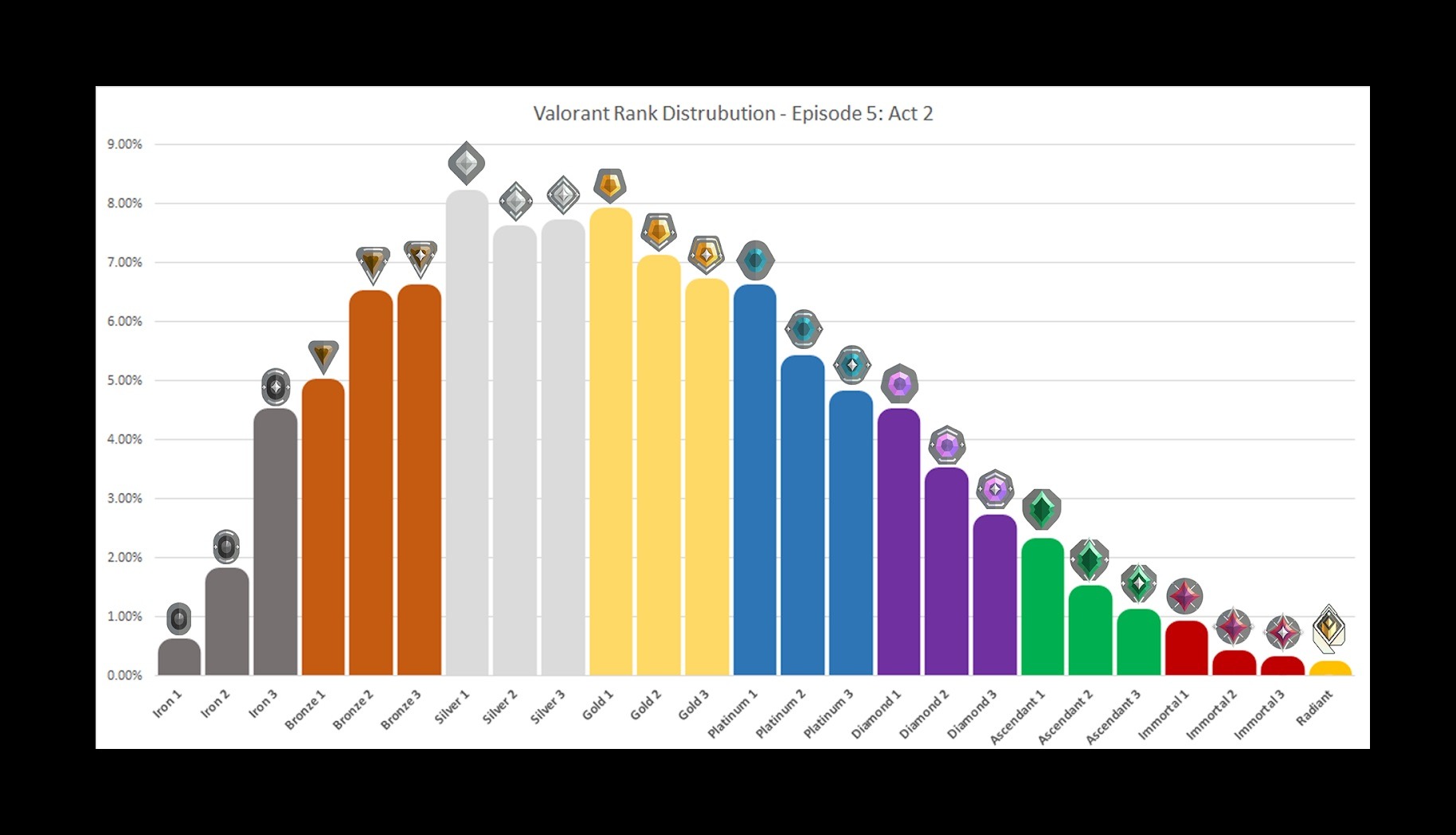
Tips and Strategies for Climbing the Ranks in Valorant
Valorant, a popular tactical shooter game, offers a competitive ranking system that allows players to showcase their skills. The journey can be challenging and exhilarating if you’re eager to rise through the ranks—from Iron to Radiant. Here are some tips and strategies to help you climb the Valorant ranks effectively.
Understand the Ranking System
Valorant features several ranks, each with three divisions, except for Radiant. Understanding how the ranking system works is crucial. Here’s a quick breakdown of the ranks:
- Iron: The starting rank, where beginners learn the basics.
- Bronze: Players begin developing their skills.
- Silver: More experienced players start to emerge.
- Gold: Players exhibit good game sense and mechanics.
- Platinum: Higher-level competition with refined skills.
- Diamond: Players showcase expert-level tactics and coordination.
- Immortal: Only top players can reach this rank; it requires serious dedication.
- Radiant: The pinnacle rank reserved for the best of the best.
Master the Basics
Before diving into more advanced strategies, ensure you have a solid understanding of the game’s basics:
- Familiarize yourself with all agents and their abilities.
- Practice your aiming skills with aim training exercises.
- Learn the maps to know the best hiding spots and choke points.
- Understand economic management and the importance of buying weapons and abilities strategically.
Play with a Team
Valorant is a team game. Playing with coordinated teammates can be a game-changer. Here are some tips:
- Communicate: Use your microphone or in-game chat to give callouts.
- Choose complementary agents: Ensure your team covers diverse roles like Duelists, Supports, and Controllers.
- Practice together: Regular practice sessions can build team chemistry.
Improve Your Aim
Aim is one of the most critical components of Valorant. Here are methods to enhance your aiming skills:
- Use aim trainers: Tools like Aim Lab and Kovaak’s can help sharpen your reflexes.
- Adjust sensitivity: Find a sensitivity that feels comfortable, and stick with it.
- Practice flick shots: Headshots can make a significant difference; aim for head level during practice.
Map Knowledge is Key
Knowing maps inside and out can give you a significant advantage. Here’s how to improve your map knowledge:
- Learn the callouts: Familiarize yourself with all the map callouts to communicate effectively.
- Study common hiding spots: Knowing where opponents might hide can help you plan your attacks.
- Watch pro players: Observe how the pros navigate maps and position themselves.
Review Your Gameplay
One of the best ways to improve is to analyze your gameplay. Here are some strategies:
- Record your matches and watch them. Look for mistakes or missed opportunities.
- Take notes on what you did well and what you need to improve.
- Ask for feedback from friends or fellow players for a new perspective.
Stay Positive and Resilient
The journey to climb the ranks can be filled with ups and downs. Maintaining a positive mindset is essential. Here are some ways to stay focused:
- Focus on personal improvement rather than just winning.
- Take breaks when feeling frustrated to avoid burnout.
- Celebrate small victories, such as improving your aim or mastering a new agent.
Climbing the ranks in Valorant takes time, dedication, and practice. You can enhance your competitive edge by mastering the basics, improving your aim, working well with a team, and studying gameplay. Remember to enjoy the journey and happy gaming!
The Role of Teamwork in Achieving Higher Ranks
In the competitive world of Valorant, ranks are more than just numbers; they represent your skill level and the effort you put into the game. From Iron to Radiant, understanding the significance of teamwork is vital in climbing up the ranks. Working effectively with your team can significantly influence your performance and ranking progression. In this game, players rely heavily on each other, making collaboration essential for success.
Each rank in Valorant has its particular challenges and dynamics. For those in the lower tiers, such as Iron and Bronze, players often struggle with communication and coordination. At these ranks, individual skills may be evident, but it becomes hard to advance without proper teamwork. Here’s where understanding the importance of teamwork comes into play.
The Foundation of Teamwork
Teamwork in Valorant is about more than just shooting enemies together. It includes several key components:
- Communication: Effective communication is critical. Whether using voice chat or in-game commands, sharing information about enemy locations, strategies, and plans can give your team a significant advantage.
- Role Understanding: Every agent has unique abilities that serve specific roles, such as Duelists, Controllers, Sentinels, and Initiators. Understanding your role and how to support your team can improve synergy and increase your chances of winning rounds.
- Adaptability: Flexibility in your gameplay style and tactics can make a difference. If your original plan isn’t working, discussing and adjusting strategies on the fly can turn the tide in your favor.
- Supportive Play: Sometimes, you may need to sacrifice personal stats for the team’s greater good. This can mean playing a more defensive role or providing cover for a teammate engaging in a risky play.
As you climb the ranks into Silver and Gold, the importance of these teamwork elements becomes even more pronounced. Players at higher ranks are more skilled, and matches are often decided by who collaborates better rather than just individual performances. If you want to jump from Gold to Platinum, consider the following teamwork strategies.
Strategies for Effective Teamwork
- Use Map Awareness: Being aware of your surroundings and keeping track of your teammates can lead to better positioning and timing during skirmishes.
- Coordinate Abilities: Combining abilities can create powerful strategies. For example, using a smoke screen to cover an enemy team while an Initiator dives in can yield great results.
- Stay Positive: Maintaining a positive attitude can keep morale high during tough matches. Encourage teammates and celebrate small victories to foster a collaborative environment.
- Analyze and Discuss: After games, take the time to analyze what went well and what could be improved as a unit. Constructive feedback will make the entire team better over time.
Even as players reach higher ranks, such as Diamond and Immortal, the basics of teamwork remain vital. However, the difference is that players need to be more intentional with their strategies. Utilizing advanced teamwork techniques sets high-ranked players apart from the rest.
Advanced Teamwork Dynamics
Players at the Radiant rank particularly excel in teamwork through:
- Effective Training Sessions: Regular practice with the same group can enhance synergy and trust.
- Understanding Enemy Patterns: Top players study common enemy strategies and adapt their teamwork accordingly.
- Role Specialization: Radiant players often specialize in certain agents, mastering their abilities to maximize team effectiveness.
Remember that teamwork isn’t just about in-game performance. It’s also about building friendships and creating a positive gaming community. To embrace teamwork, celebrate each other’s successes, and work together toward common goals. The more you invest in your team, the more likely you will see improvements in your rank.
Whether you’re struggling in Iron or flying high in Radiant, teamwork is the cornerstone of success in Valorant. By prioritizing collaboration and communication, you can easily make your way up the ranks and enjoy a more rewarding gaming experience. So gather your squad, strategize, and unlock your full potential together!

The Psychological Impact of Ranking in Competitive Gaming
In competitive gaming, ranking systems really shape how players experience their favorite games. Think of it like getting a report card—it shows where you stand in terms of skills and how much effort you’ve put into improving. But the pressure of these ranks can be a lot to handle. Understanding how they affect players’ minds is important to create a healthier gaming atmosphere.
You’ll quickly notice the ranking system when you dive into games like Valorant or League of Legends. Players are sorted into tiers like Iron, Silver, Gold, and Radiant. Climbing this ladder can be exciting, but it has ups and downs for your mental well-being.
The Drive for Improvement
One of the most prominent effects of competitive rankings is the motivation it instills in players. Here are some key points on how ranking fosters improvement:
- A clear goal: Having a visible rank gives players a tangible objective to reach for, pushing them to enhance their skills.
- Feedback mechanism: Rankings serve as feedback, helping players identify their strengths and weaknesses, which can direct their training efforts.
- A sense of achievement: Climbing through the ranks provides a strong sense of accomplishment, boosting self-esteem and encouraging further engagement with the game.
In this way, pursuing higher ranks transforms gaming into a self-improvement journey, allowing players to work on their skills and develop resilience.
The Pressure to Perform
However, this drive for improvement can also lead to significant pressure. As rankings become more important, players may experience anxiety and stress related to their performance. Here’s how that pressure manifests:
- Fear of failure: Players can become overly focused on their rank, worrying that any poor performance will lead to demotion or falling behind their peers.
- Burnout: The relentless pursuit of climbing ranks can lead to long gaming sessions that might cause physical or mental burnout.
- Comparison to others: Many players tend to compare their ranks with friends or streamers, creating additional pressure and unrealistic expectations.
This pressure to perform, often exacerbated by social media and streaming platforms showcasing “top players,” can hinder not only the gaming experience but also the general well-being of players.
The Impact of Toxicity
Competitive gaming communities can sometimes foster toxic behaviors. When players take their ranks seriously, it can lead to negative interactions. Toxicity can arise in various forms, including:
- Harassment: Players may insult or criticize teammates who do not meet their performance expectations, leading to a hostile environment.
- Blame culture: Players often point fingers at others for losses rather than acknowledging their own contributions to the outcome.
- Team fragmentation: The emphasis on individual rank can sometimes overshadow team performance, leading to discord among players who should be collaborating.
These behaviors can significantly detract from the game’s enjoyment and contribute to a negative mental state for those involved.
Long-Term Effects on Self-Esteem
Over time, a player’s rank can affect their self-esteem and mental health. Here are several potential impacts:
- Self-worth: Players might begin to associate their self-worth with their rank, leading to emotional distress if they experience setbacks.
- Fear of trying: The pressure to maintain a rank may discourage players from experimenting with new strategies or games, stunting their overall growth.
- Withdrawal from gaming: If the adverse effects outweigh the enjoyment, some players might choose to withdraw from competitive gaming altogether, leading to isolation.
Understanding these underlying psychological factors is essential for players and their communities. By recognizing the emotional stakes tied to ranks, gamers can cultivate a supportive environment that prioritizes enjoyment and personal growth over mere statistics.
Ultimately, the world of competitive gaming offers immense opportunities for skill development and social interaction. However, it also demands mindfulness of the psychological impact of the ranking system. Balancing motivation and pressure can help players maintain a healthy relationship with competitive gaming while striving for improvement.
Conclusion
As you navigate the competitive landscape of Valorant, understanding ranks from Iron to Radiant is essential. Each rank represents a skill level and your commitment, strategy, and growth as a player. Remember, ranking isn’t just about numbers; it reflects your overall proficiency and understanding of the game.
Climbing these ranks requires dedication and the application of effective gameplay strategies. Focus on honing your skills, mastering agents, and constantly learning from each match. Use tips to improve your game, such as communication, map awareness, and regular practice.
Teamwork is another important aspect of climbing the ranks. Valorant is a team-based game, and your ability to work harmoniously with others can significantly influence your rank. Building synergy with teammates will enhance not only your chances of winning matches but also create a more enjoyable gaming experience.
The psychological impact of ranking cannot be overlooked. It can evoke emotions ranging from elation to frustration. Understanding these feelings and maintaining a positive mindset can help you stay focused and motivated on your journey to Radiant.
Ultimately, the journey through Valorant ranks is more than a simple climb; it’s an opportunity for personal growth in both gameplay and teamwork. Embrace the process, celebrate your progress, and enjoy each match, whether you’re basking in the glory of victory or learning from a tough loss. Your experience in Valorant will shape you as a player as you strive for greatness in this exciting world.
You May Also Like
 Online Services
Forbes Connections Hint Today: Complete Guide to Solving Daily Word Puzzles
 Online Services
All CS:GO Ranks Explained and How the System Works
 Online Services
10 Best Legal Soap2day Alternatives for Streaming Movies and TV Shows in 2025
 Online Services
Is Eneba Legit? A Guide to Safe Game Shopping
 Online Services
Free Mixcloud Downloader: Download Your Favorite Tracks
 Online Services